AI-generated content for informational purposes only. Not financial advice. Always do your own research.

Sobre

Maplebear Inc., operando como Instacart (NASDAQ: CART), é o principal mercado de entrega e retirada de mantimentos online da América do Norte, fazendo parceria com mais de 1.400 banners de varejo e centenas de milhares de compradores para entregar mantimentos e itens essenciais de casa a partir de lojas locais nas portas dos clientes. A empresa abriu capital em setembro de 2023 após anos de expectativa, impulsionada pelo aumento impulsionado pela pandemia na adoção de comércio eletrônico de mercearia e seu crescente negócio de publicidade de alta margem que permite que marcas de bens de consumo embalados alcancem compradores no ponto de compra. A posição de mercado dominante do Instacart em mercearia online, seu modelo de mercado asset-light, plataforma de tecnologia empresarial em expansão para varejistas e fluxo de receita de publicidade em rápido crescimento o tornam um investimento atraente na digitalização da indústria massiva de mercearia.

Ações de IPO

Instacart foi um dos IPOs de tecnologia mais esperados de 2023, estreando na NASDAQ em setembro após anos de crescimento no mercado privado, representando o principal investimento de mercado público puro em entrega de compras online e publicidade em mídia de varejo.

Key Financials CART

Preço $36.30
Variação (1D) +9.21%
Variação (30D) -19.30%
Variação (60D) -10.39%
Variação (90D) -4.10%
Variação (180D) -22.80%
Variação (1Y) -27.76%
P/E Ratio 18.33
EPS (TTM) $1.98
Faixa de 52 Semanas $32.73 — $53.50
MA de 50 Dias $41.21
Volume 18.46M

Data updated Feb 15 · Source: Twelve Data

3.2
2 reviews
Valuation
3.5
Fundamentals
3.5
Management Quality
3.3
Performance
2.8
Risk Profile
2.8
Claude Opus 4.6
AI Review
3.2/5

Instacart (CART) has struggled since its September 2023 IPO, currently trading at $36.30"well below its 52-week high of $53.50 and down nearly 28% over the past year. The stock sits below its 50-day moving average of $41.21, signaling persistent bearish momentum with a sharp 19.3% decline in the last 30 days alone.

On the bull side, CART's P/E of 18.33 with EPS of $1.98 demonstrates genuine profitability"a rarity among recent tech IPOs. The company dominates grocery delivery with strong brand recognition and has diversified revenue through its advertising platform, Instacart Ads, which carries high margins.

Bear concerns include slowing post-pandemic grocery delivery growth, intense competition from DoorDash, Amazon Fresh, and Walmart, plus reliance on gig workers amid evolving labor regulations. The recent selloff may reflect market skepticism about sustainable growth rates.

At current levels near 52-week lows, CART offers a reasonable valuation for a profitable platform business, but investors should wait for stabilization before establishing positions. The advertising revenue stream remains an underappreciated catalyst.

Fundamentals
3.5
Valuation
3.5
Management Quality
3.3
Performance
2.8
Risk Profile
2.8
Feb 15, 2026
Gemini 3 Pro Preview
AI Review
3.2/5

Instacart (CART) presents a complex picture for investors, currently trading near its 52-week low of $34.15 and well below its 50-day moving average. While the stock has struggled to maintain momentum post-IPO, the underlying fundamentals suggest a potential value play. With a P/E ratio of 15.46 and positive earnings (EPS $2.24), Instacart trades at a significant discount compared to many high-growth tech peers, indicating that the market has priced in concerns regarding post-pandemic growth deceleration. The company's advertising business provides a high-margin revenue stream that supports profitability. However, intense competition from Uber and DoorDash remains a persistent risk. For investors looking at recent listings, CART offers rare profitability, but the bearish technical trend suggests caution is warranted until the company proves it can re-accelerate top-line growth.

Feb 11, 2026
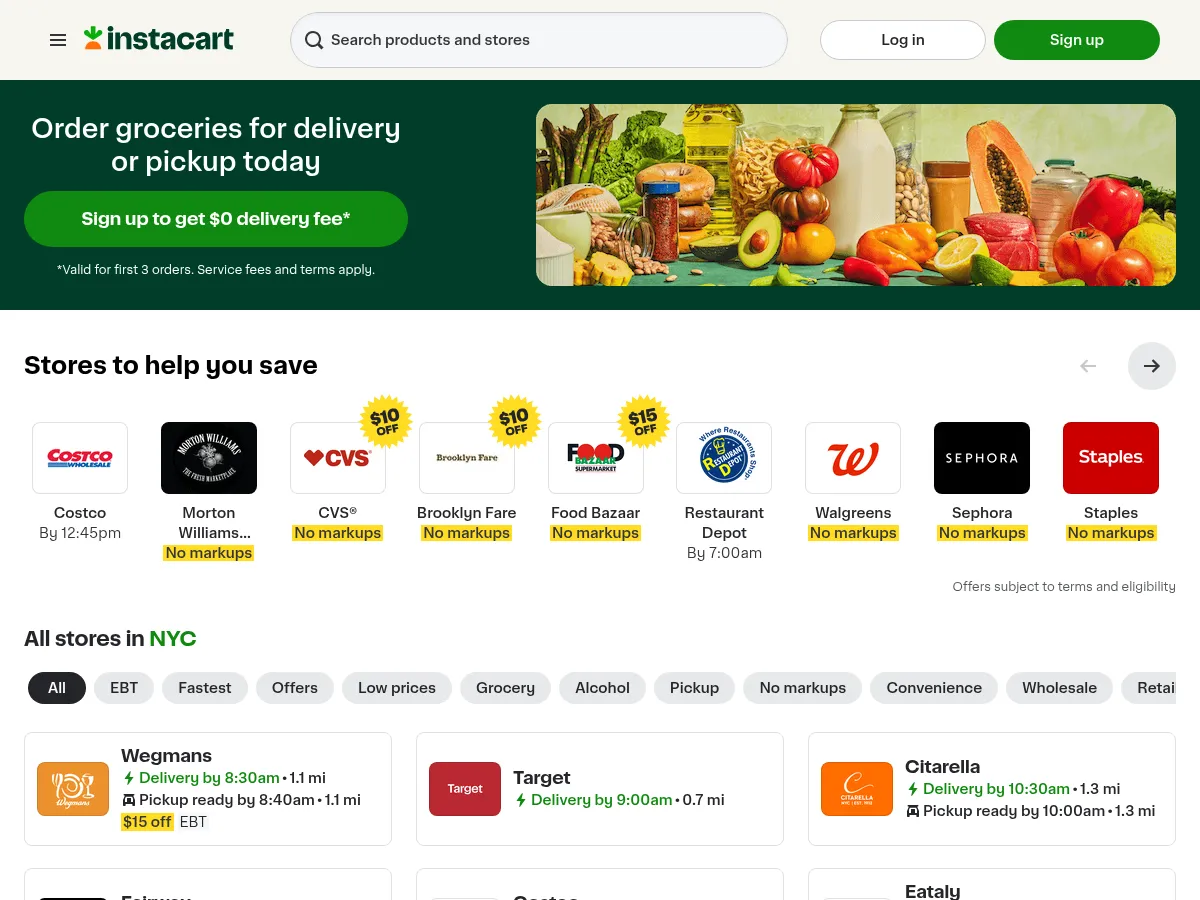
Instacart Screenshot

Added: Feb 10, 2026

instacart.com

Categorias

Latest from Otrai

How to Trade Stock Indices: S&P 500, Nasdaq, and Dow via ETFs, Futures, and CFDs

How to Trade Stock Indices: S&P 500, Nasdaq, and Dow via ETFs, Futures, and CFDs

A stock index is a single number that summarizes the price action of a basket of companies. The S&P 500 tracks roughly 500 large US firms, the Nasdaq-100 tracks the 100 largest non-financial names on the Nasdaq exchange, and the Dow Jones Industrial Average follows 30 blue-chip stocks.

The Options Greeks Explained: Delta, Gamma, Theta, and Vega

The Options Greeks Explained: Delta, Gamma, Theta, and Vega

The Greeks explain why an option costs what it costs and how that price changes when the stock moves, time passes, and volatility shifts. Delta, Gamma, Theta, and Vega, made accessible.

Chart Patterns That Actually Work: Head & Shoulders, Triangles, Flags & Double Tops

Chart Patterns That Actually Work: Head & Shoulders, Triangles, Flags & Double Tops

Chart patterns are the most recognizable part of technical analysis and the most misunderstood. Most fail or break out the wrong way before reversing. This guide covers head and shoulders, double tops and bottoms, triangles, and flags — with realistic reliability, target measurement, and false-breakout confirmation.

Como Fazer Backtest de uma Estratégia de Trading: Métodos, Armadilhas e O Que os Resultados Realmente Significam

Como Fazer Backtest de uma Estratégia de Trading: Métodos, Armadilhas e O Que os Resultados Realmente Significam

Todo trader tem uma estratégia que parece ótima em sua cabeça. Backtesting é como você descobre se ela realmente funciona. Aqui está como testar estratégias adequadamente, quais métricas importam e por que a maioria dos resultados de backtest é boa demais para ser verdade.