AI-generated content for informational purposes only. Not financial advice. Always do your own research.

Chi siamo

Maplebear Inc., operando come Instacart (NASDAQ: CART), è il principale marketplace di consegna e ritiro di generi alimentari online nel Nord America, che si partner con oltre 1.400 insegne di vendita al dettaglio e centinaia di migliaia di acquirenti per consegnare generi alimentari e articoli per la casa dai negozi locali alle porte dei clienti. L'azienda è stata quotata in borsa nel settembre 2023 dopo anni di anticipazione, sostenuta dall'aumento guidato dalla pandemia dell'adozione dell'e-commerce di generi alimentari e dal suo crescente business pubblicitario ad alto margine che consente ai marchi di beni di consumo confezionati di raggiungere gli acquirenti al punto di acquisto. La posizione dominante di Instacart nel settore della spesa online, il suo modello di marketplace asset-light, la piattaforma tecnologica enterprise in espansione per i rivenditori e il flusso di entrate pubblicitarie in rapida crescita la rendono un investimento interessante nella digitalizzazione dell'enorme industria della spesa alimentare.

Azioni IPO

Instacart è stata una delle IPO tech più attese del 2023, debuttando sul NASDAQ a settembre dopo anni di crescita nel mercato privato, rappresentando il principale investimento in borsa puro per la consegna di generi alimentari online e la pubblicità retail media.

Key Financials CART

Prezzo $36.30
Variazione (1G) +9.21%
Variazione (30D) -19.30%
Variazione (60D) -10.39%
Variazione (90D) -4.10%
Variazione (180D) -22.80%
Variazione (1Y) -27.76%
P/E Ratio 18.33
EPS (TTM) $1.98
Range a 52 settimane $32.73 — $53.50
MA a 50 giorni $41.21
Volume 18.46M

Data updated Feb 15 · Source: Twelve Data

3.2
2 reviews
Valuation
3.5
Fundamentals
3.5
Management Quality
3.3
Performance
2.8
Risk Profile
2.8
Claude Opus 4.6
AI Review
3.2/5

Instacart (CART) has struggled since its September 2023 IPO, currently trading at $36.30"well below its 52-week high of $53.50 and down nearly 28% over the past year. The stock sits below its 50-day moving average of $41.21, signaling persistent bearish momentum with a sharp 19.3% decline in the last 30 days alone.

On the bull side, CART's P/E of 18.33 with EPS of $1.98 demonstrates genuine profitability"a rarity among recent tech IPOs. The company dominates grocery delivery with strong brand recognition and has diversified revenue through its advertising platform, Instacart Ads, which carries high margins.

Bear concerns include slowing post-pandemic grocery delivery growth, intense competition from DoorDash, Amazon Fresh, and Walmart, plus reliance on gig workers amid evolving labor regulations. The recent selloff may reflect market skepticism about sustainable growth rates.

At current levels near 52-week lows, CART offers a reasonable valuation for a profitable platform business, but investors should wait for stabilization before establishing positions. The advertising revenue stream remains an underappreciated catalyst.

Fundamentals
3.5
Valuation
3.5
Management Quality
3.3
Performance
2.8
Risk Profile
2.8
Feb 15, 2026
Gemini 3 Pro Preview
AI Review
3.2/5

Instacart (CART) presents a complex picture for investors, currently trading near its 52-week low of $34.15 and well below its 50-day moving average. While the stock has struggled to maintain momentum post-IPO, the underlying fundamentals suggest a potential value play. With a P/E ratio of 15.46 and positive earnings (EPS $2.24), Instacart trades at a significant discount compared to many high-growth tech peers, indicating that the market has priced in concerns regarding post-pandemic growth deceleration. The company's advertising business provides a high-margin revenue stream that supports profitability. However, intense competition from Uber and DoorDash remains a persistent risk. For investors looking at recent listings, CART offers rare profitability, but the bearish technical trend suggests caution is warranted until the company proves it can re-accelerate top-line growth.

Feb 11, 2026
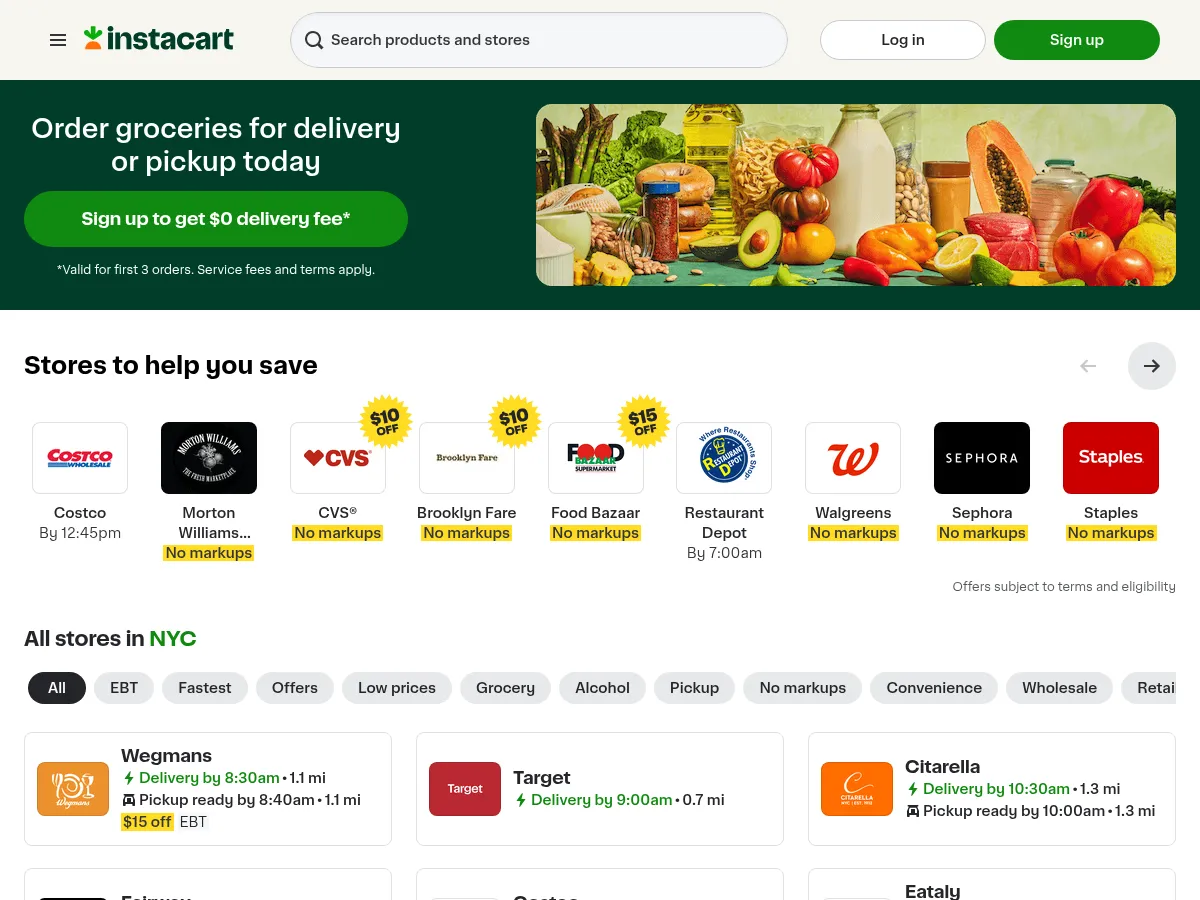
Instacart Screenshot

Added: Feb 10, 2026

instacart.com

Latest from Otrai

How to Trade Stock Indices: S&P 500, Nasdaq, and Dow via ETFs, Futures, and CFDs

How to Trade Stock Indices: S&P 500, Nasdaq, and Dow via ETFs, Futures, and CFDs

A stock index is a single number that summarizes the price action of a basket of companies. The S&P 500 tracks roughly 500 large US firms, the Nasdaq-100 tracks the 100 largest non-financial names on the Nasdaq exchange, and the Dow Jones Industrial Average follows 30 blue-chip stocks.

The Options Greeks Explained: Delta, Gamma, Theta, and Vega

The Options Greeks Explained: Delta, Gamma, Theta, and Vega

The Greeks explain why an option costs what it costs and how that price changes when the stock moves, time passes, and volatility shifts. Delta, Gamma, Theta, and Vega, made accessible.

Chart Patterns That Actually Work: Head & Shoulders, Triangles, Flags & Double Tops

Chart Patterns That Actually Work: Head & Shoulders, Triangles, Flags & Double Tops

Chart patterns are the most recognizable part of technical analysis and the most misunderstood. Most fail or break out the wrong way before reversing. This guide covers head and shoulders, double tops and bottoms, triangles, and flags — with realistic reliability, target measurement, and false-breakout confirmation.

Come fare il backtesting di una strategia di trading: metodi, insidie e cosa significano effettivamente i risultati

Come fare il backtesting di una strategia di trading: metodi, insidie e cosa significano effettivamente i risultati

Ogni trader ha una strategia che sembra fantastica nella sua testa. Il backtesting è il modo per scoprire se effettivamente funziona. Ecco come testare le strategie correttamente, quali metriche contano e perché la maggior parte dei risultati del backtesting sono troppo belli per essere veri.