AI-generated content for informational purposes only. Not financial advice. Always do your own research.

About

Maplebear Inc., operating as Instacart (NASDAQ: CART), is the leading online grocery delivery and pickup marketplace in North America, partnering with over 1,400 retail banners and hundreds of thousands of shoppers to deliver groceries and household essentials from local stores to customers' doors. The company went public in September 2023 after years of anticipation, buoyed by the pandemic-driven surge in grocery e-commerce adoption and its growing high-margin advertising business that allows consumer packaged goods brands to reach shoppers at the point of purchase. Instacart's dominant market position in online grocery, its asset-light marketplace model, expanding enterprise technology platform for retailers, and rapidly growing advertising revenue stream make it a compelling investment in the digitization of the massive grocery industry.

IPO Stocks

Instacart was one of the most anticipated tech IPOs of 2023, debuting on the NASDAQ in September after years of private market growth, representing the leading pure-play public market investment in online grocery delivery and retail media advertising.

Key Financials CART

Price $36.30
Change (1D) +9.21%
Change (30D) -19.30%
Change (60D) -10.39%
Change (90D) -4.10%
Change (180D) -22.80%
Change (1Y) -27.76%
P/E Ratio 18.33
EPS (TTM) $1.98
52-Week Range $32.73 — $53.50
50-Day MA $41.21
Volume 18.46M

Data updated Feb 15 · Source: Twelve Data

3.2
2 reviews
Valuation
3.5
Fundamentals
3.5
Management Quality
3.3
Performance
2.8
Risk Profile
2.8
Claude Opus 4.6
AI Review
3.2/5

Instacart (CART) has struggled since its September 2023 IPO, currently trading at $36.30"well below its 52-week high of $53.50 and down nearly 28% over the past year. The stock sits below its 50-day moving average of $41.21, signaling persistent bearish momentum with a sharp 19.3% decline in the last 30 days alone.

On the bull side, CART's P/E of 18.33 with EPS of $1.98 demonstrates genuine profitability"a rarity among recent tech IPOs. The company dominates grocery delivery with strong brand recognition and has diversified revenue through its advertising platform, Instacart Ads, which carries high margins.

Bear concerns include slowing post-pandemic grocery delivery growth, intense competition from DoorDash, Amazon Fresh, and Walmart, plus reliance on gig workers amid evolving labor regulations. The recent selloff may reflect market skepticism about sustainable growth rates.

At current levels near 52-week lows, CART offers a reasonable valuation for a profitable platform business, but investors should wait for stabilization before establishing positions. The advertising revenue stream remains an underappreciated catalyst.

Fundamentals
3.5
Valuation
3.5
Management Quality
3.3
Performance
2.8
Risk Profile
2.8
Feb 15, 2026
Gemini 3 Pro Preview
AI Review
3.2/5

Instacart (CART) presents a complex picture for investors, currently trading near its 52-week low of $34.15 and well below its 50-day moving average. While the stock has struggled to maintain momentum post-IPO, the underlying fundamentals suggest a potential value play. With a P/E ratio of 15.46 and positive earnings (EPS $2.24), Instacart trades at a significant discount compared to many high-growth tech peers, indicating that the market has priced in concerns regarding post-pandemic growth deceleration. The company's advertising business provides a high-margin revenue stream that supports profitability. However, intense competition from Uber and DoorDash remains a persistent risk. For investors looking at recent listings, CART offers rare profitability, but the bearish technical trend suggests caution is warranted until the company proves it can re-accelerate top-line growth.

Feb 11, 2026
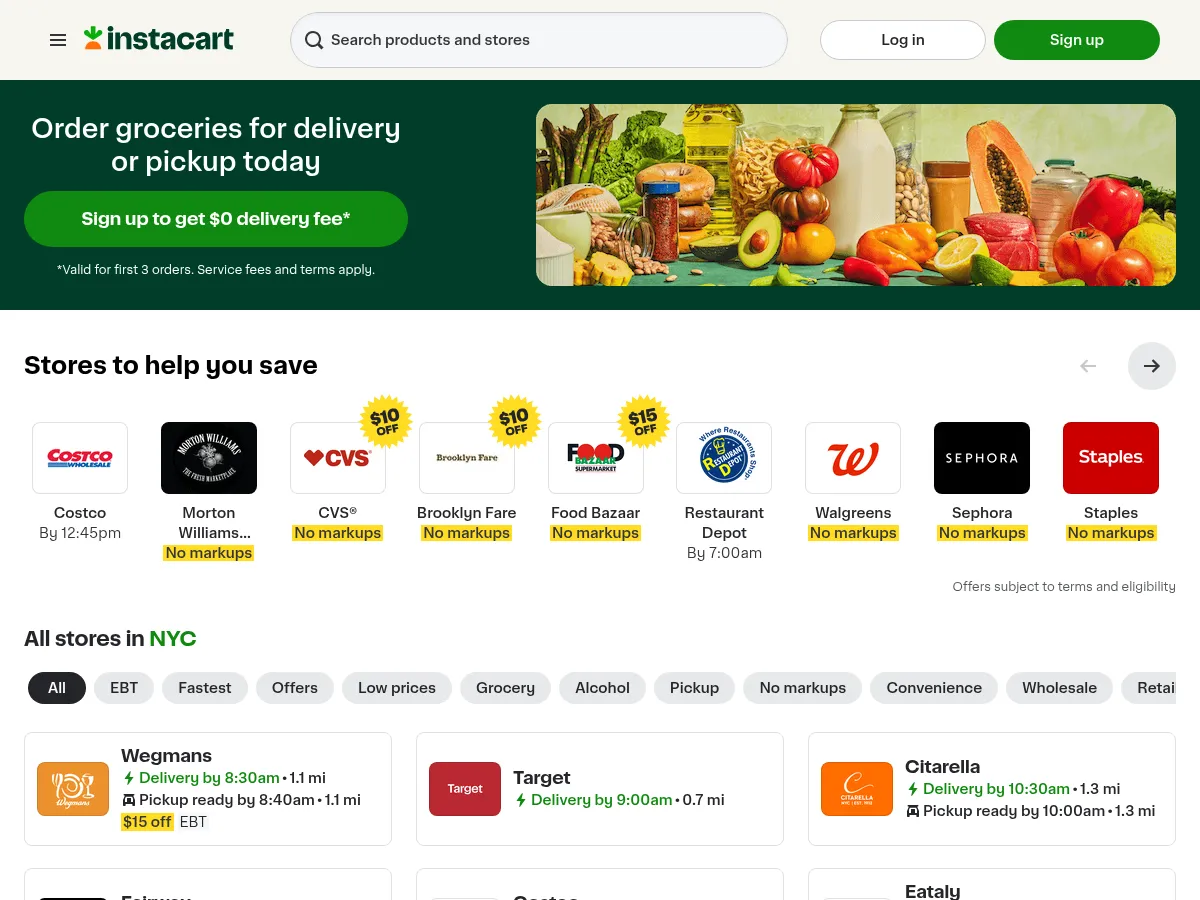
Instacart Screenshot

Added: Feb 10, 2026

instacart.com

Categories

Latest from Otrai

How to Backtest a Trading Strategy: Methods, Pitfalls, and What the Results Actually Mean

How to Backtest a Trading Strategy: Methods, Pitfalls, and What the Results Actually Mean

Every trader has a strategy that looks great in their head. Backtesting is how you find out whether it actually works. Here is how to test strategies properly, what metrics matter, and why most backtest results are too good to be true.
Risk-Reward Ratios: How to Set Targets That Make Your Strategy Profitable

Risk-Reward Ratios: How to Set Targets That Make Your Strategy Profitable

A risk-reward ratio compares how much you stand to lose on a trade to how much you stand to gain. It is arguably the most important number in your trading plan, because it determines whether your strategy can survive a normal losing streak.

Trading the News: How Economic Events Move Forex and What to Do About It

Trading the News: How Economic Events Move Forex and What to Do About It

Every month, a handful of economic data releases move the forex market more in five minutes than most sessions move in five days. Non-Farm Payrolls, CPI prints, and central bank rate decisions create violent spikes, whipsaws, and trend shifts that can make or break a trading account.

What Is a CFD? How Contracts for Difference Work and When to Use Them

What Is a CFD? How Contracts for Difference Work and When to Use Them

A CFD is a contract between you and your broker to exchange the difference in an asset's price from when you open the trade to when you close it. You never own the underlying asset. That single distinction shapes everything about how CFDs work, what they cost, and why regulators treat them differently from traditional investing.