
AI-generated content for informational purposes only. Not financial advice. Always do your own research.

IPO Stocks - Directory w/ AI Reviews

IPO stocks represent companies that have recently made their debut on public markets or are actively preparing to do so, offering investors early access to high-growth businesses. ARM Holdings brought one of the semiconductor industry's most critical IP businesses to public markets, while Birkenstock listed its iconic footwear brand on the NYSE. DraftKings and Joby Aviation illustrate the range of industries that go public — from sports betting to electric air taxis — making IPO investing a diverse and often volatile opportunity.

ARM Holdings 1 3.8 ARM Holdings ARM $125.28 +2.53% P/E: 28.9 2 reviews ARM Holdings returned to public markets in September 2023 in one of the year's largest and most anticipated IPOs, drawing massive investor interest due to its dominant position in semiconductor IP licensing and its critical role in powering the global smartphone and emerging AI chip ecosystem. Birkenstock 2 3.2 Birkenstock BIRK $39.80 +0.96% P/E: 43.7 2 reviews Birkenstock debuted on the NYSE in October 2023 as a notable consumer brand IPO, offering public investors their first opportunity to own shares in the 250-year-old German footwear company following its transformation from niche orthopedic brand to global fashion icon. Instacart 3 3.2 Instacart CART $36.30 +9.21% P/E: 18.3 2 reviews Instacart was one of the most anticipated tech IPOs of 2023, debuting on the NASDAQ in September after years of private market growth, representing the leading pure-play public market investment in online grocery delivery and retail media advertising. Joby Aviation 4 2.8 Joby Aviation JOBY $9.90 +0.20% 2 reviews Joby Aviation is developing a piloted all-electric air taxi for urban air mobility, representing a speculative IPO-stage investment in the emerging eVTOL aircraft market. General Motors 5 2.7 General Motors GM $81.08 +1.44% P/E: 8.3 2 reviews Through its majority ownership of Cruise, General Motors is one of the few legacy automakers with a direct stake in autonomous driving technology, giving investors exposure to the future of self-driving robotaxis and autonomous freight. Opendoor Technologies 6 2.5 Opendoor Technologies OPEN $4.45 +1.48% 2 reviews Opendoor went public via SPAC as a pioneer of iBuying, using technology to streamline home sales with instant offers, representing a high-risk, high-reward real estate technology play. DraftKings 7 2.3 DraftKings DKNG $21.76 -13.51% P/E: 94.6 2 reviews DraftKings went public via SPAC and has rapidly become one of the largest US online sportsbooks, capitalizing on the state-by-state legalization of sports betting.

Latest from Otrai

How to Backtest a Trading Strategy: Methods, Pitfalls, and What the Results Actually Mean

How to Backtest a Trading Strategy: Methods, Pitfalls, and What the Results Actually Mean

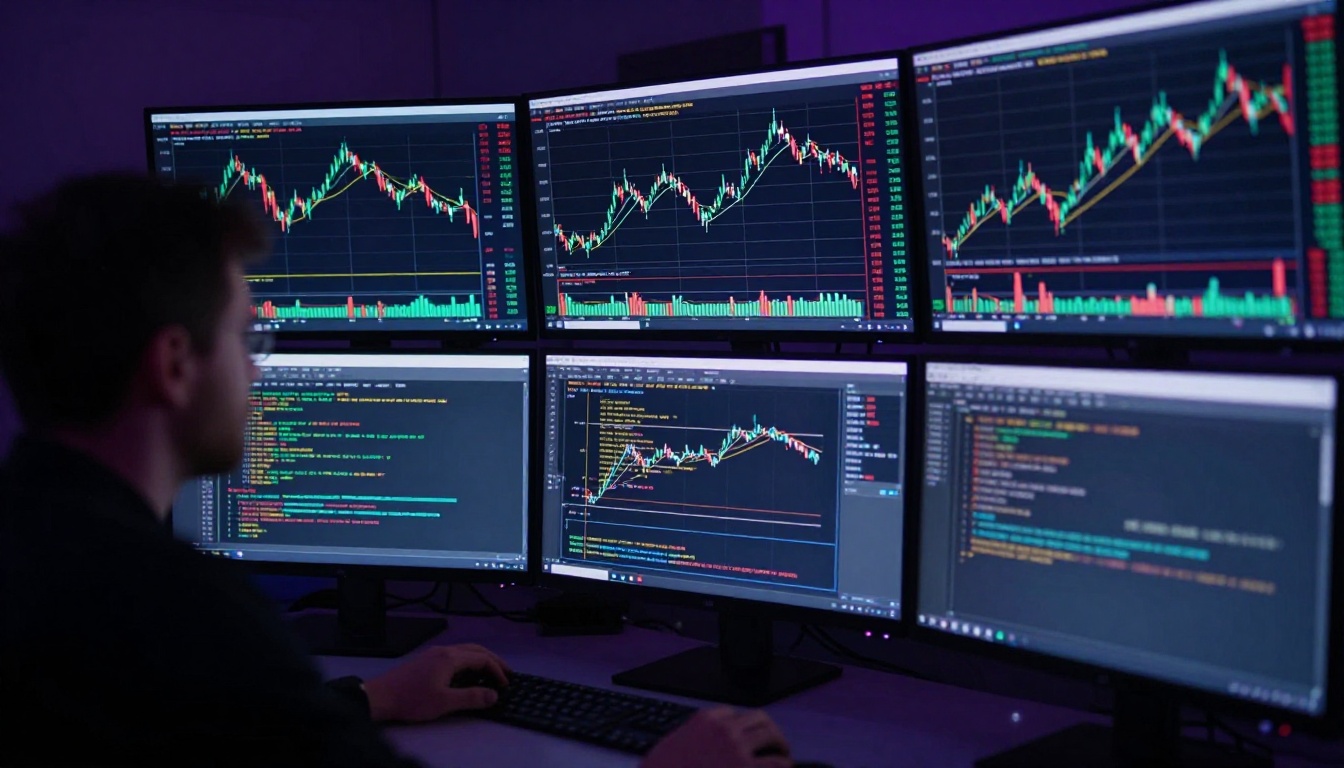
Every trader has a strategy that looks great in their head. Backtesting is how you find out whether it actually works. Here is how to test strategies properly, what metrics matter, and why most backtest results are too good to be true.
Risk-Reward Ratios: How to Set Targets That Make Your Strategy Profitable

Risk-Reward Ratios: How to Set Targets That Make Your Strategy Profitable

A risk-reward ratio compares how much you stand to lose on a trade to how much you stand to gain. It is arguably the most important number in your trading plan, because it determines whether your strategy can survive a normal losing streak.

Trading the News: How Economic Events Move Forex and What to Do About It

Trading the News: How Economic Events Move Forex and What to Do About It

Every month, a handful of economic data releases move the forex market more in five minutes than most sessions move in five days. Non-Farm Payrolls, CPI prints, and central bank rate decisions create violent spikes, whipsaws, and trend shifts that can make or break a trading account.

What Is a CFD? How Contracts for Difference Work and When to Use Them

What Is a CFD? How Contracts for Difference Work and When to Use Them

A CFD is a contract between you and your broker to exchange the difference in an asset's price from when you open the trade to when you close it. You never own the underlying asset. That single distinction shapes everything about how CFDs work, what they cost, and why regulators treat them differently from traditional investing.