AI-generated content for informational purposes only. Not financial advice. Always do your own research.

About

General Motors is a global automaker that produces vehicles under the Chevrolet, GMC, Buick, and Cadillac brands and is aggressively pursuing an all-electric future through its Ultium battery platform. The company also holds a majority stake in Cruise, its autonomous driving subsidiary, positioning GM at the intersection of traditional automotive manufacturing and next-generation mobility. GM appeals to value and growth investors betting on the legacy automaker successfully transitioning to EVs and autonomous technology.

EV Stocks

General Motors is building its entire EV future on the proprietary Ultium battery platform, with plans to launch dozens of electric models across Chevrolet, GMC, Buick, and Cadillac as it targets EV production leadership in North America.

IPO Stocks

Through its majority ownership of Cruise, General Motors is one of the few legacy automakers with a direct stake in autonomous driving technology, giving investors exposure to the future of self-driving robotaxis and autonomous freight.

Value Stocks

General Motors trades at a deep discount to the broader market with a low price-to-earnings ratio, offering value investors exposure to a profitable automaker generating strong cash flows from its truck and SUV franchise.

Key Financials GM

Price $81.08
Change (1D) +1.44%
Change (30D) -0.30%
Change (60D) +19.39%
Change (90D) +39.34%
Change (180D) +68.46%
Change (1Y) +70.01%
Change (5Y) +44.63%
P/E Ratio 8.27
EPS (TTM) $9.81
52-Week Range $41.60 — $87.62
50-Day MA $81.58
Volume 6.31M

Data updated Feb 15 · Source: Twelve Data

3.3
2 reviews
Stock Performance
4.5
Financial Health
4.2
Production Scalability
3.5
Market Position
3.3
Innovation Leadership
3
Claude Opus 4.6
AI Review
3.4/5

General Motors presents a compelling value proposition with a P/E ratio of just 8.27 and strong EPS of $9.81, trading well below market averages despite impressive momentum"up 70% over the past year. The stock sits near its 52-week high of $87.62, reflecting renewed investor confidence in CEO Mary Barra's strategic direction.

The bull case centers on GM's deep value characteristics, robust truck and SUV profitability, disciplined capital allocation including aggressive buybacks, and its expanding EV portfolio with the Ultium platform. The Chevrolet Equinox EV has shown promising early demand at accessible price points.

The bear case includes EV transition execution risk, significant capital expenditure requirements, cyclical auto industry exposure, and intense competition from Tesla and Chinese manufacturers. GM's Cruise autonomous vehicle unit has also faced setbacks. As a legacy automaker, GM's EV credentials remain a work in progress compared to pure-play competitors.

For value-oriented investors comfortable with cyclical risk, GM offers attractive earnings yield and shareholder returns. The IPO categorization is largely irrelevant for this century-old company (re-IPO'd in 2010).

Stock Performance
4.5
Financial Health
4.2
Production Scalability
3.5
Market Position
3.3
Innovation Leadership
3
Feb 15, 2026
Gemini 3 Pro Preview
AI Review
3.2/5

General Motors finds itself at a pivotal intersection of legacy manufacturing and electric innovation. The company's aggressive push into electrification, underpinned by the Ultium platform, positions it as a formidable competitor in the EV space, challenging both Tesla and new entrants. However, based on the provided financial data, the stock is currently trading at a P/E ratio of 21.57, which is significantly higher than historical norms for traditional automakers. This valuation suggests the market has priced in substantial growth, effectively graduating GM from a deep value play to a growth-oriented investment. While the rally from a 52-week low of $41.60 to nearly $80 demonstrates strong momentum, investors should exercise caution; the rich multiple leaves little room for error regarding production execution or cyclical downturns.

Feb 12, 2026
General Motors Screenshot

Added: Feb 11, 2026

gm.com

Latest from Otrai

How to Backtest a Trading Strategy: Methods, Pitfalls, and What the Results Actually Mean

How to Backtest a Trading Strategy: Methods, Pitfalls, and What the Results Actually Mean

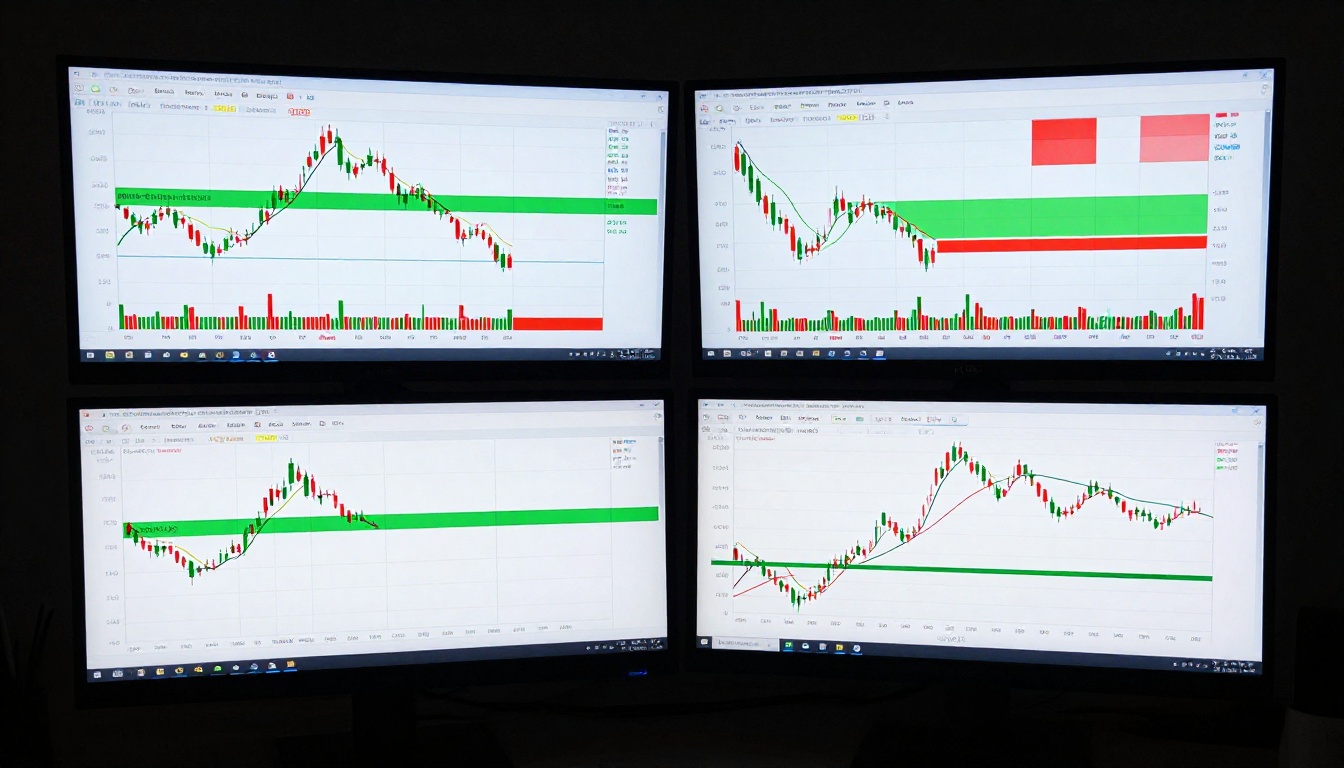
Every trader has a strategy that looks great in their head. Backtesting is how you find out whether it actually works. Here is how to test strategies properly, what metrics matter, and why most backtest results are too good to be true.

Risk-Reward Ratios: How to Set Targets That Make Your Strategy Profitable

Risk-Reward Ratios: How to Set Targets That Make Your Strategy Profitable

A risk-reward ratio compares how much you stand to lose on a trade to how much you stand to gain. It is arguably the most important number in your trading plan, because it determines whether your strategy can survive a normal losing streak.

Trading the News: How Economic Events Move Forex and What to Do About It

Trading the News: How Economic Events Move Forex and What to Do About It

Every month, a handful of economic data releases move the forex market more in five minutes than most sessions move in five days. Non-Farm Payrolls, CPI prints, and central bank rate decisions create violent spikes, whipsaws, and trend shifts that can make or break a trading account.

What Is a CFD? How Contracts for Difference Work and When to Use Them

What Is a CFD? How Contracts for Difference Work and When to Use Them

A CFD is a contract between you and your broker to exchange the difference in an asset's price from when you open the trade to when you close it. You never own the underlying asset. That single distinction shapes everything about how CFDs work, what they cost, and why regulators treat them differently from traditional investing.