AI-generated content for informational purposes only. Not financial advice. Always do your own research.

About

Opendoor Technologies Inc. (NASDAQ: OPEN) is the leading digital platform for residential real estate transactions, pioneering the iBuying model where the company uses proprietary pricing algorithms and data science to make instant cash offers on homes, completing transactions in days rather than the months required in traditional real estate sales. The company went public in December 2020 through a merger with Social Capital Hedosophia Holdings Corp II, a SPAC sponsored by venture capitalist Chamath Palihapitiya, during the height of the SPAC boom. Opendoor's technology-driven approach to simplifying home sales, its market leadership in iBuying, and the massive addressable market of U.S. residential real estate transactions make it a disruptive but volatile investment tied to housing market conditions and the company's ability to scale profitably.

IPO Stocks

Opendoor went public via SPAC as a pioneer of iBuying, using technology to streamline home sales with instant offers, representing a high-risk, high-reward real estate technology play.

PropTech Stocks

Opendoor pioneered iBuying technology to digitize and simplify residential real estate transactions, offering instant home purchase offers powered by automated valuation models.

Real Estate Stocks

Opendoor is the leading digital platform for residential real estate transactions, enabling homeowners to sell quickly through its instant offer model and disrupting traditional home sales.

Key Financials OPEN

Price $4.45
Change (1D) +1.48%
52-Week Range $0.51 — $10.87
Volume 32.22M

Data updated Feb 15 · Source: Twelve Data

2.5
2 reviews
Management Quality
2.7
Valuation
2.6
Performance
2.3
Fundamentals
2
Risk Profile
1.8
Claude Opus 4.6
AI Review
2.7/5

Opendoor Technologies is the leading iBuying platform, using algorithms to make instant cash offers on homes, streamlining the traditionally cumbersome real estate transaction process. The company has experienced extreme volatility since its 2020 SPAC-driven IPO, with shares trading at $4.45"far below their highs but significantly recovered from a 52-week low of $0.51, suggesting renewed investor interest.

**Bull Case:** Opendoor dominates the iBuying space after Zillow's exit, operates in 50+ markets, and benefits from any housing market normalization. The technology-driven model offers genuine disruption potential, and management has focused on improving unit economics and reducing overhead.

**Bear Case:** The company has yet to achieve sustained profitability, operates on razor-thin margins in a capital-intensive business, and is highly sensitive to housing market fluctuations and interest rate environments. Balance sheet risk remains elevated with significant inventory exposure.

High trading volume signals speculative interest. This remains a high-risk, high-reward bet on PropTech disruption. Suitable only for investors with strong risk tolerance and a long time horizon.

Valuation
3.2
Management Quality
2.8
Fundamentals
2.5
Performance
2.5
Risk Profile
2
Feb 15, 2026
Gemini 3 Pro Preview
AI Review
2.3/5

Opendoor Technologies remains a high-risk proxy for the digital transformation of real estate. As a prominent former SPAC, the stock has experienced massive volatility, evidenced by a wide 52-week range spanning from $0.51 to $10.87. While the company has streamlined operations to survive a high-interest-rate environment, the iBuying business model remains capital-intensive and highly sensitive to housing inventory shifts. Although the stock currently trades at depressed levels compared to its debut, the low P/E ratio should be viewed with caution as it may reflect accounting anomalies rather than sustainable operating margins. For investors, OPEN represents a speculative bet on a housing market thaw, but it carries significant downside risk compared to more established real estate platforms.

Management Quality
2.5
Valuation
2
Performance
2
Fundamentals
1.5
Risk Profile
1.5
Feb 11, 2026

Latest from Otrai

How to Backtest a Trading Strategy: Methods, Pitfalls, and What the Results Actually Mean

How to Backtest a Trading Strategy: Methods, Pitfalls, and What the Results Actually Mean

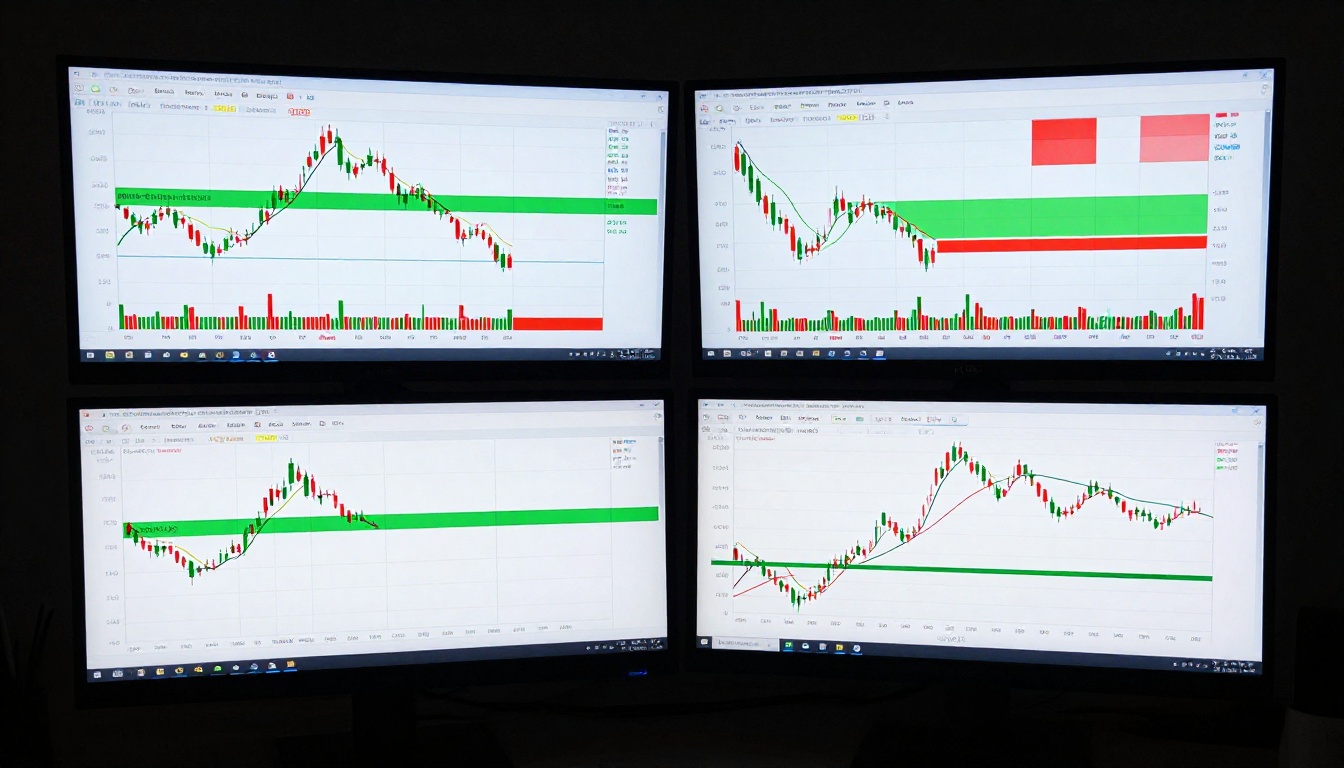
Every trader has a strategy that looks great in their head. Backtesting is how you find out whether it actually works. Here is how to test strategies properly, what metrics matter, and why most backtest results are too good to be true.

Risk-Reward Ratios: How to Set Targets That Make Your Strategy Profitable

Risk-Reward Ratios: How to Set Targets That Make Your Strategy Profitable

A risk-reward ratio compares how much you stand to lose on a trade to how much you stand to gain. It is arguably the most important number in your trading plan, because it determines whether your strategy can survive a normal losing streak.

Trading the News: How Economic Events Move Forex and What to Do About It

Trading the News: How Economic Events Move Forex and What to Do About It

Every month, a handful of economic data releases move the forex market more in five minutes than most sessions move in five days. Non-Farm Payrolls, CPI prints, and central bank rate decisions create violent spikes, whipsaws, and trend shifts that can make or break a trading account.

What Is a CFD? How Contracts for Difference Work and When to Use Them

What Is a CFD? How Contracts for Difference Work and When to Use Them

A CFD is a contract between you and your broker to exchange the difference in an asset's price from when you open the trade to when you close it. You never own the underlying asset. That single distinction shapes everything about how CFDs work, what they cost, and why regulators treat them differently from traditional investing.