AI-generated content for informational purposes only. Not financial advice. Always do your own research.

Bank Stocks - Directory w/ AI Reviews

The banking sector is the backbone of global capital allocation, encompassing retail banks, investment banks, and diversified financial institutions. JPMorgan Chase, Goldman Sachs, and Morgan Stanley are among the most influential financial institutions in the world, generating revenue through lending, trading, advisory, and asset management. Bank stocks are closely tied to interest rate cycles, making them a key barometer for macroeconomic conditions.

JPMorgan Chase 1 4.9 JPMorgan Chase JPM $302.55 -0.03% 2 reviews JPMorgan Chase is the largest U.S. bank by assets, representing the dominant player in the bank stock category. Its diversified operations spanning investment banking, commercial banking, asset management, and consumer lending make it a bellwether for the entire banking sector. Goldman Sachs 2 4.7 Goldman Sachs GS $905.14 +0.07% P/E: 17.7 2 reviews Goldman Sachs is a premier bank stock and Wall Street powerhouse with leading franchises in investment banking advisory, institutional trading, and asset management serving the world's largest corporations and investors. Morgan Stanley 3 4.6 Morgan Stanley MS $171.15 +1.84% P/E: 16.1 2 reviews Morgan Stanley is a leading bank stock with a top-tier wealth management franchise overseeing trillions in client assets, complemented by a premier institutional securities and investment management business. Mitsubishi UFJ Financial 4 4.5 Mitsubishi UFJ Financial MUFG $19.73 +0.66% P/E: 6.2 1 review Mitsubishi UFJ Financial Group is Japan's largest bank with over $3 trillion in assets, providing diversified banking, trust, and securities services across global markets. Bank of America 5 4.5 Bank of America BAC $52.55 +0.06% P/E: 13.4 2 reviews Bank of America is one of the largest U.S. banking institutions, making it a core bank stock holding. Its massive consumer banking, wealth management, and global banking divisions generate substantial interest income and fee revenue across economic cycles. Charles Schwab 6 4.2 Charles Schwab SCHW $93.72 -1.43% P/E: 22.7 2 reviews Charles Schwab is one of the largest banking institutions in the U.S. by client assets, holding a federal bank charter through Charles Schwab Bank and earning significant net interest income from client cash deposits and margin lending. Wells Fargo 7 4.2 Wells Fargo WFC $86.98 +0.80% P/E: 14.1 2 reviews Wells Fargo is a leading U.S. bank stock with deep roots in consumer and commercial lending. Its extensive branch network, dominant mortgage business, and ongoing operational restructuring make it a closely watched name among bank stock investors seeking turnaround value. Citigroup 8 3.6 Citigroup C $110.86 -0.26% P/E: 22.0 2 reviews Citigroup is one of the "Big Four" U.S. banks and a globally systemically important financial institution, providing consumer banking, institutional clients group, and treasury services across more than 160 countries worldwide.

Latest from Otrai

How to Backtest a Trading Strategy: Methods, Pitfalls, and What the Results Actually Mean

How to Backtest a Trading Strategy: Methods, Pitfalls, and What the Results Actually Mean

Every trader has a strategy that looks great in their head. Backtesting is how you find out whether it actually works. Here is how to test strategies properly, what metrics matter, and why most backtest results are too good to be true.

Risk-Reward Ratios: How to Set Targets That Make Your Strategy Profitable

Risk-Reward Ratios: How to Set Targets That Make Your Strategy Profitable

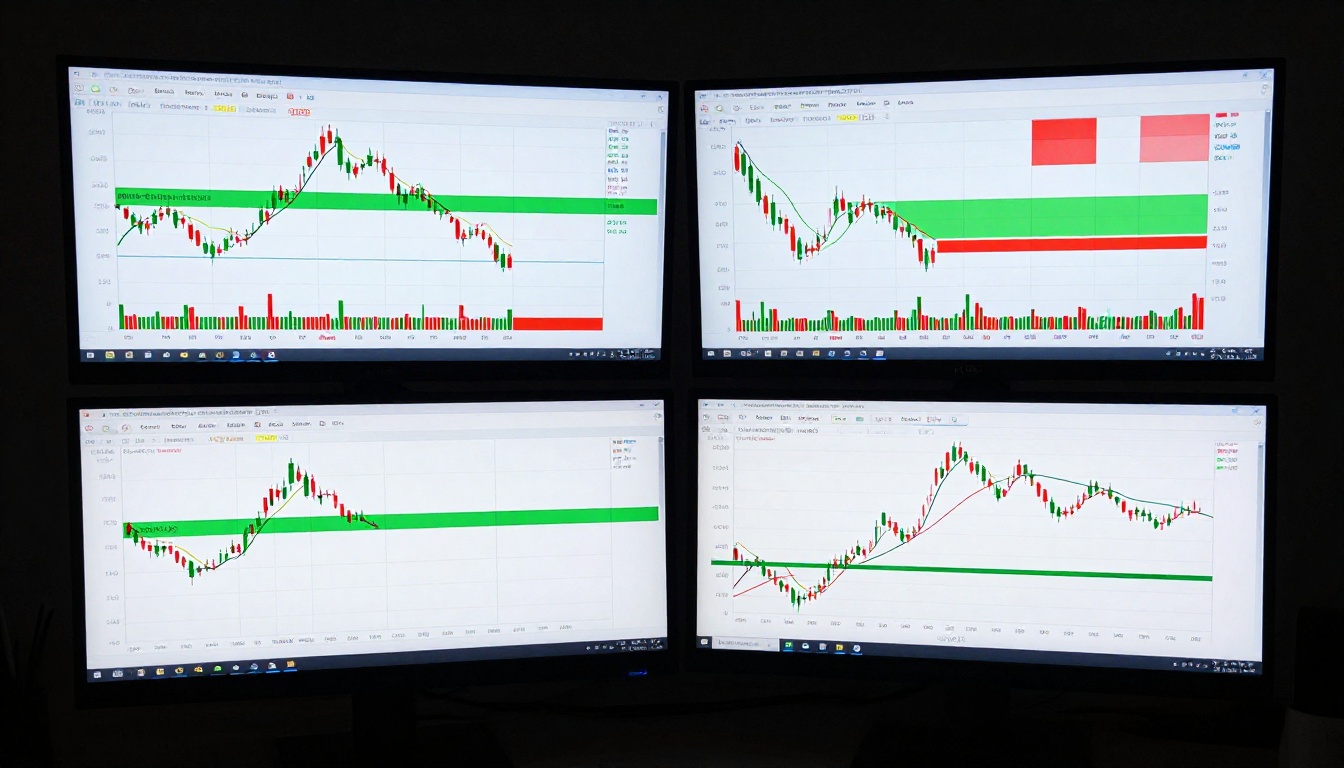
A risk-reward ratio compares how much you stand to lose on a trade to how much you stand to gain. It is arguably the most important number in your trading plan, because it determines whether your strategy can survive a normal losing streak.

Trading the News: How Economic Events Move Forex and What to Do About It

Trading the News: How Economic Events Move Forex and What to Do About It

Every month, a handful of economic data releases move the forex market more in five minutes than most sessions move in five days. Non-Farm Payrolls, CPI prints, and central bank rate decisions create violent spikes, whipsaws, and trend shifts that can make or break a trading account.

What Is a CFD? How Contracts for Difference Work and When to Use Them

What Is a CFD? How Contracts for Difference Work and When to Use Them

A CFD is a contract between you and your broker to exchange the difference in an asset's price from when you open the trade to when you close it. You never own the underlying asset. That single distinction shapes everything about how CFDs work, what they cost, and why regulators treat them differently from traditional investing.