AI-generated content for informational purposes only. Not financial advice. Always do your own research.

About

Morgan Stanley (MS) is a leading global financial services firm with top-tier franchises in wealth management, institutional securities, and investment management overseeing trillions in client assets. The company's strategic pivot toward wealth and asset management has produced more stable, fee-based revenue streams that reduce earnings volatility. Morgan Stanley is a blue-chip bank stock offering investors exposure to capital markets activity alongside a growing, recurring wealth management annuity.

Bank Stocks

Morgan Stanley is a leading bank stock with a top-tier wealth management franchise overseeing trillions in client assets, complemented by a premier institutional securities and investment management business.

Blue Chip Stocks

Morgan Stanley is a blue-chip stock that has transformed into a more stable, fee-driven financial services firm, with its wealth management division providing predictable recurring revenue that smooths earnings volatility.

Private Equity Stocks

Morgan Stanley is a leading global financial services firm with top-tier wealth management and institutional securities franchises, increasingly expanding its alternative investment capabilities.

Key Financials MS

Price $171.15
Change (1D) +1.84%
Change (30D) -3.59%
Change (60D) +7.34%
Change (90D) +8.26%
Change (180D) +34.22%
Change (1Y) +24.83%
Change (5Y) +130.54%
P/E Ratio 16.12
EPS (TTM) $10.62
52-Week Range $94.33 — $192.68
50-Day MA $180.39
Volume 9.16M

Data updated Feb 15 · Source: Twelve Data

4.6
2 reviews
Claude Opus 4.6
AI Review
4.4/5

Morgan Stanley has transformed itself into a diversified financial powerhouse, with its strategic pivot toward wealth management under CEO Ted Pick (succeeding James Gorman) providing more stable, fee-based revenue streams. The stock's impressive 130% gain over five years and 24.8% one-year return reflect investor confidence in this evolution.

At a P/E of 16.12 with EPS of $10.62, valuation appears reasonable for a premier investment bank. The wealth management division now generates substantial recurring revenue, reducing the cyclicality historically associated with trading-heavy models. The firm's leading position in M&A advisory and equity underwriting positions it well for capital markets recovery.

Bull case: Continued wealth management growth, potential M&A cycle acceleration, and strong capital returns. Bear case: The stock trades roughly 11% below its 52-week high and below its 50-day moving average, suggesting near-term momentum weakness. Exposure to market volatility, regulatory pressures, and potential economic slowdown remain risks. Competition from both traditional banks and alternative asset managers intensifies. Overall, Morgan Stanley represents a high-quality franchise with durable competitive advantages and disciplined capital allocation.

Feb 15, 2026
Gemini 3 Pro Preview
AI Review
4.7/5

Morgan Stanley has successfully transformed its business model, shifting reliance from volatile trading revenues to more stable, recurring income through its massive Wealth Management division. Trading at a P/E ratio of 16.64, the stock commands a slight premium over traditional banking peers, justified by its superior return on equity and the strategic integration of E*TRADE and Eaton Vance. While the stock has seen impressive momentum, currently sitting near its 52-week high, investors should remain mindful of market cyclicality which impacts asset management fees. Nevertheless, its robust balance sheet, strong EPS of $10.62, and diversified revenue streams make it a standout defensive play within the financial sector.

Feb 12, 2026

Latest from Otrai

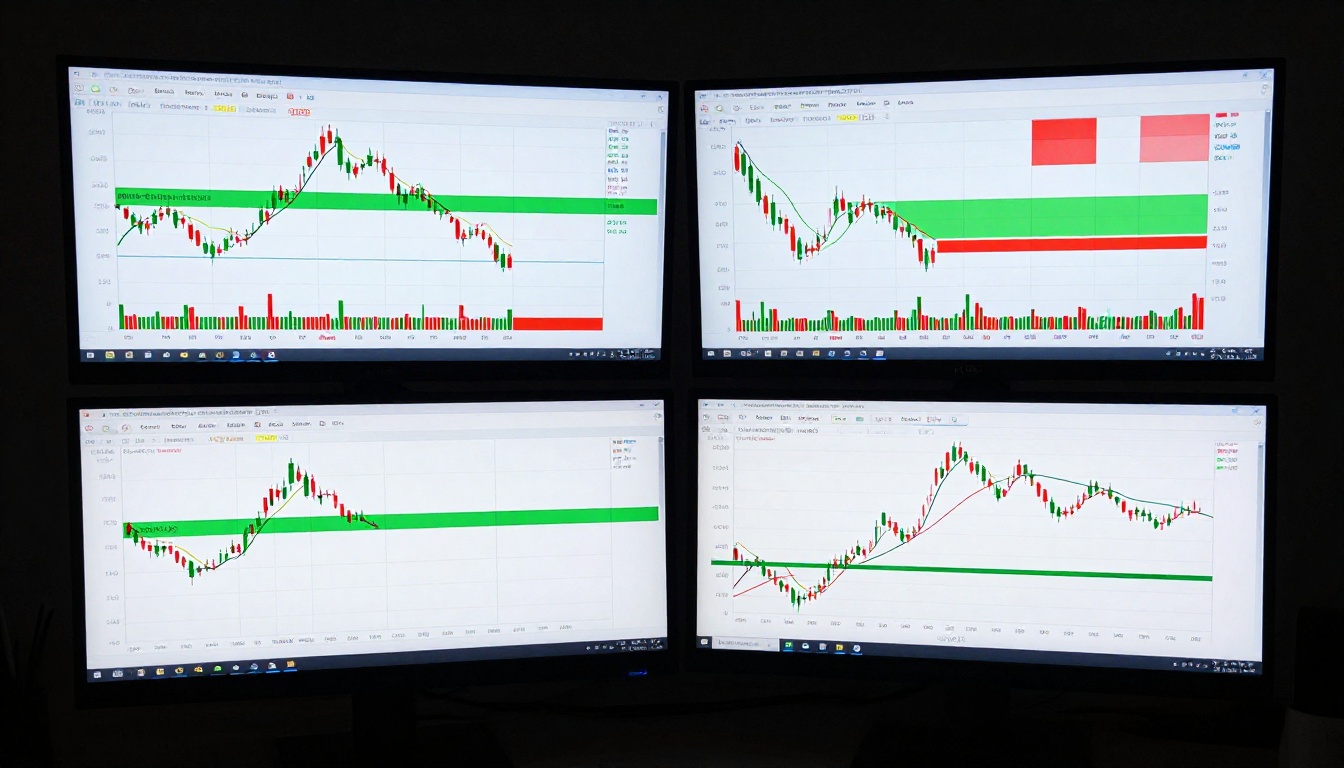
How to Backtest a Trading Strategy: Methods, Pitfalls, and What the Results Actually Mean

How to Backtest a Trading Strategy: Methods, Pitfalls, and What the Results Actually Mean

Every trader has a strategy that looks great in their head. Backtesting is how you find out whether it actually works. Here is how to test strategies properly, what metrics matter, and why most backtest results are too good to be true.

Risk-Reward Ratios: How to Set Targets That Make Your Strategy Profitable

Risk-Reward Ratios: How to Set Targets That Make Your Strategy Profitable

A risk-reward ratio compares how much you stand to lose on a trade to how much you stand to gain. It is arguably the most important number in your trading plan, because it determines whether your strategy can survive a normal losing streak.

Trading the News: How Economic Events Move Forex and What to Do About It

Trading the News: How Economic Events Move Forex and What to Do About It

Every month, a handful of economic data releases move the forex market more in five minutes than most sessions move in five days. Non-Farm Payrolls, CPI prints, and central bank rate decisions create violent spikes, whipsaws, and trend shifts that can make or break a trading account.

What Is a CFD? How Contracts for Difference Work and When to Use Them

What Is a CFD? How Contracts for Difference Work and When to Use Them

A CFD is a contract between you and your broker to exchange the difference in an asset's price from when you open the trade to when you close it. You never own the underlying asset. That single distinction shapes everything about how CFDs work, what they cost, and why regulators treat them differently from traditional investing.