
AI-generated content for informational purposes only. Not financial advice. Always do your own research.

Weight Loss Stocks - Directory w/ AI Reviews

The obesity treatment market has rapidly become one of the most consequential in pharmaceutical investing, driven by the blockbuster success of GLP-1 drugs like Ozempic, Wegovy, and Mounjaro. Eli Lilly and Novo Nordisk are the two dominant players, generating billions in quarterly revenue from drugs that are reshaping treatment of both obesity and type 2 diabetes. Viking Therapeutics and Amgen are among the next-generation challengers developing competing GLP-1 and alternative mechanisms, while downstream beneficiaries like Peloton and WW International are navigating a market that is simultaneously disrupted and expanded by effective medical weight loss.

Eli Lilly 1 4.8 Eli Lilly LLY $1,040.00 +0.17% P/E: 54.7 2 reviews Eli Lilly has become one of the world's most valuable companies driven by its GLP-1 weight loss and diabetes drugs Mounjaro and Zepbound, leading the obesity treatment revolution. Novo Nordisk 2 4.7 Novo Nordisk NVO $49.57 +1.31% P/E: 2.9 2 reviews Novo Nordisk is the global leader in GLP-1 weight loss and diabetes treatments with Ozempic and Wegovy, dominating the obesity drug market alongside Eli Lilly. Structure Therapeutics 3 4.2 Structure Therapeutics GPCR $70.07 -2.73% 1 review Structure Therapeutics is developing oral small molecule GLP-1 drugs that could provide a more convenient alternative to injectable weight loss treatments, offering pipeline-stage obesity drug exposure. Viking Therapeutics 4 3.8 Viking Therapeutics VKTX $29.00 -4.89% P/E: 24.2 1 review Viking Therapeutics is developing novel oral GLP-1 therapies for metabolic disorders, offering clinical-stage pipeline exposure to the next generation of weight loss treatments. Amgen 5 3.6 Amgen AMGN $369.19 +0.82% P/E: 22.0 2 reviews Amgen is developing MariTide, a promising next-generation obesity drug candidate that could compete in the rapidly growing weight loss therapeutics market alongside Eli Lilly and Novo Nordisk. Lululemon Athletica 6 3.2 Lululemon Athletica LULU $176.42 +4.06% P/E: 20.0 2 reviews Lululemon could benefit from the weight loss drug trend as consumers adopting healthier lifestyles increase spending on premium athletic and wellness apparel. WW International 7 2.8 WW International WW $23.22 +0.96% P/E: 2.0 1 review WW International (formerly Weight Watchers) is a global wellness company providing weight management programs through digital tools, coaching, and clinical solutions, adapting to the GLP-1 drug era. Peloton Interactive 8 2.3 Peloton Interactive PTON $4.25 +0.47% P/E: 1.7 1 review Peloton's connected fitness platform and subscription content could benefit from the weight loss drug trend as users seeking active lifestyles increase engagement with at-home fitness.

Latest from Otrai

How to Backtest a Trading Strategy: Methods, Pitfalls, and What the Results Actually Mean

How to Backtest a Trading Strategy: Methods, Pitfalls, and What the Results Actually Mean

Every trader has a strategy that looks great in their head. Backtesting is how you find out whether it actually works. Here is how to test strategies properly, what metrics matter, and why most backtest results are too good to be true.
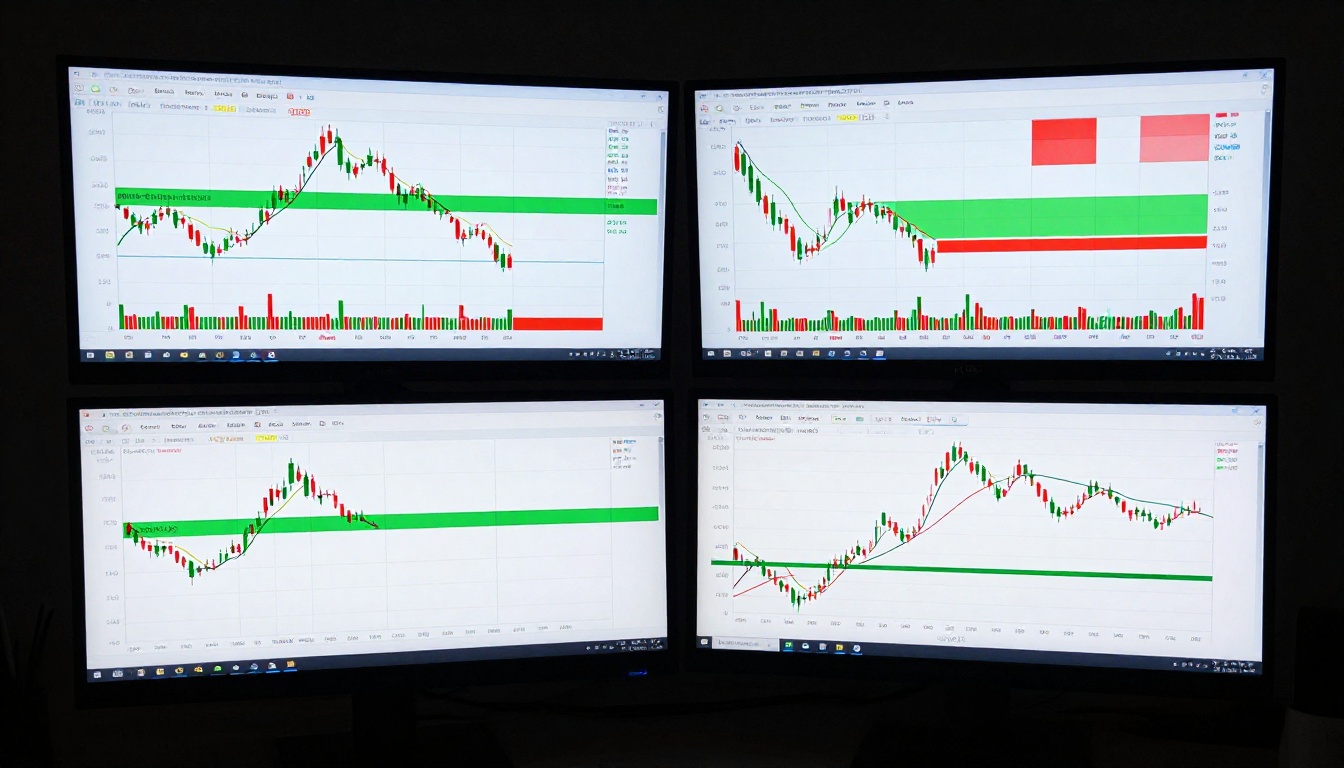

Risk-Reward Ratios: How to Set Targets That Make Your Strategy Profitable

Risk-Reward Ratios: How to Set Targets That Make Your Strategy Profitable

A risk-reward ratio compares how much you stand to lose on a trade to how much you stand to gain. It is arguably the most important number in your trading plan, because it determines whether your strategy can survive a normal losing streak.

Trading the News: How Economic Events Move Forex and What to Do About It

Trading the News: How Economic Events Move Forex and What to Do About It

Every month, a handful of economic data releases move the forex market more in five minutes than most sessions move in five days. Non-Farm Payrolls, CPI prints, and central bank rate decisions create violent spikes, whipsaws, and trend shifts that can make or break a trading account.

What Is a CFD? How Contracts for Difference Work and When to Use Them

What Is a CFD? How Contracts for Difference Work and When to Use Them

A CFD is a contract between you and your broker to exchange the difference in an asset's price from when you open the trade to when you close it. You never own the underlying asset. That single distinction shapes everything about how CFDs work, what they cost, and why regulators treat them differently from traditional investing.