AI-generated content for informational purposes only. Not financial advice. Always do your own research.

About

Eli Lilly and Company (NYSE: LLY) is a global pharmaceutical powerhouse that has become one of the most valuable companies in the world, driven by its dominance in diabetes care with Mounjaro and the blockbuster weight loss drug Zepbound (tirzepatide), alongside established franchises in oncology and immunology. Founded in 1876 and headquartered in Indianapolis, the company has experienced a dramatic surge in market capitalization as investors price in the massive addressable market for GLP-1 receptor agonist therapies for obesity and related metabolic conditions. As an investment, Eli Lilly offers exposure to what many analysts consider the most significant pharmaceutical opportunity in decades, with tirzepatide-based products potentially generating tens of billions in peak annual sales.

Mega Cap Stocks

Eli Lilly has surged into mega-cap territory driven by its revolutionary GLP-1 diabetes and obesity drugs Mounjaro and Zepbound, which represent one of the largest pharmaceutical opportunities in decades.

Pharmaceutical Stocks

Eli Lilly is a dominant pharmaceutical stock riding the unprecedented commercial success of its GLP-1 therapies Mounjaro and Zepbound, which have positioned the company at the forefront of the obesity treatment revolution and made it one of the most highly valued pharma companies in history.

Weight Loss Stocks

Eli Lilly has become one of the world's most valuable companies driven by its GLP-1 weight loss and diabetes drugs Mounjaro and Zepbound, leading the obesity treatment revolution.

Key Financials LLY

Price $1,040.00
Change (1D) +0.17%
Change (30D) -3.23%
Change (60D) +1.79%
Change (90D) +23.07%
Change (180D) +44.57%
Change (1Y) +19.13%
Change (5Y) +415.59%
P/E Ratio 54.74
EPS (TTM) $19.00
52-Week Range $623.78 — $1,133.95
50-Day MA $1,049.85
Volume 2.70M

Data updated Feb 15 · Source: Twelve Data

4.8
2 reviews
Claude Opus 4.6
AI Review
4.7/5

Eli Lilly has emerged as one of the most compelling stories in pharma, driven primarily by its blockbuster GLP-1 receptor agonist tirzepatide (Mounjaro/Zepbound) for diabetes and weight loss. The stock's 415% five-year return reflects extraordinary investor enthusiasm for its pipeline and commercial execution.

The bull case is powerful: Lilly dominates the rapidly expanding weight management market alongside Novo Nordisk, with a potentially superior efficacy profile. Its broader pipeline spanning Alzheimer's (donanemab), immunology, and oncology provides diversification beyond GLP-1s. Revenue growth has been exceptional as manufacturing scales.

However, the valuation demands scrutiny. A P/E of 54.7x prices in years of flawless execution. Key risks include potential GLP-1 competition from oral alternatives, pricing pressure from government negotiations, and manufacturing capacity constraints. The stock trading ~8% below its 52-week high suggests some investor caution has crept in.

EPS of $19.00 TTM reflects strong profitability, but investors must weigh whether the premium valuation adequately accounts for execution risk. For long-term investors with conviction in the obesity treatment megatrend, Lilly remains best-in-class, though entry timing matters at these levels.

Feb 15, 2026
Gemini 3 Pro Preview
AI Review
4.8/5

Eli Lilly has established itself as the premier growth story in the pharmaceutical sector, driven primarily by the unprecedented demand for its GLP-1 agonists, Mounjaro and Zepbound. Trading near $1,025, the stock commands a premium valuation with a P/E ratio of roughly 54, significantly higher than industry peers. However, this multiple reflects the massive earnings potential of its obesity and diabetes portfolio, alongside a promising pipeline that includes treatments for Alzheimer's disease. While the company faces challenges regarding manufacturing capacity to meet soaring demand and stiff competition from Novo Nordisk, its financial health remains robust with a TTM EPS of $19.00. For investors, LLY represents a high-conviction growth play, though the current price point requires confidence that the company can flawlessly execute its production ramp-up and maintain pricing power.

Feb 11, 2026

Latest from Otrai

How to Backtest a Trading Strategy: Methods, Pitfalls, and What the Results Actually Mean

How to Backtest a Trading Strategy: Methods, Pitfalls, and What the Results Actually Mean

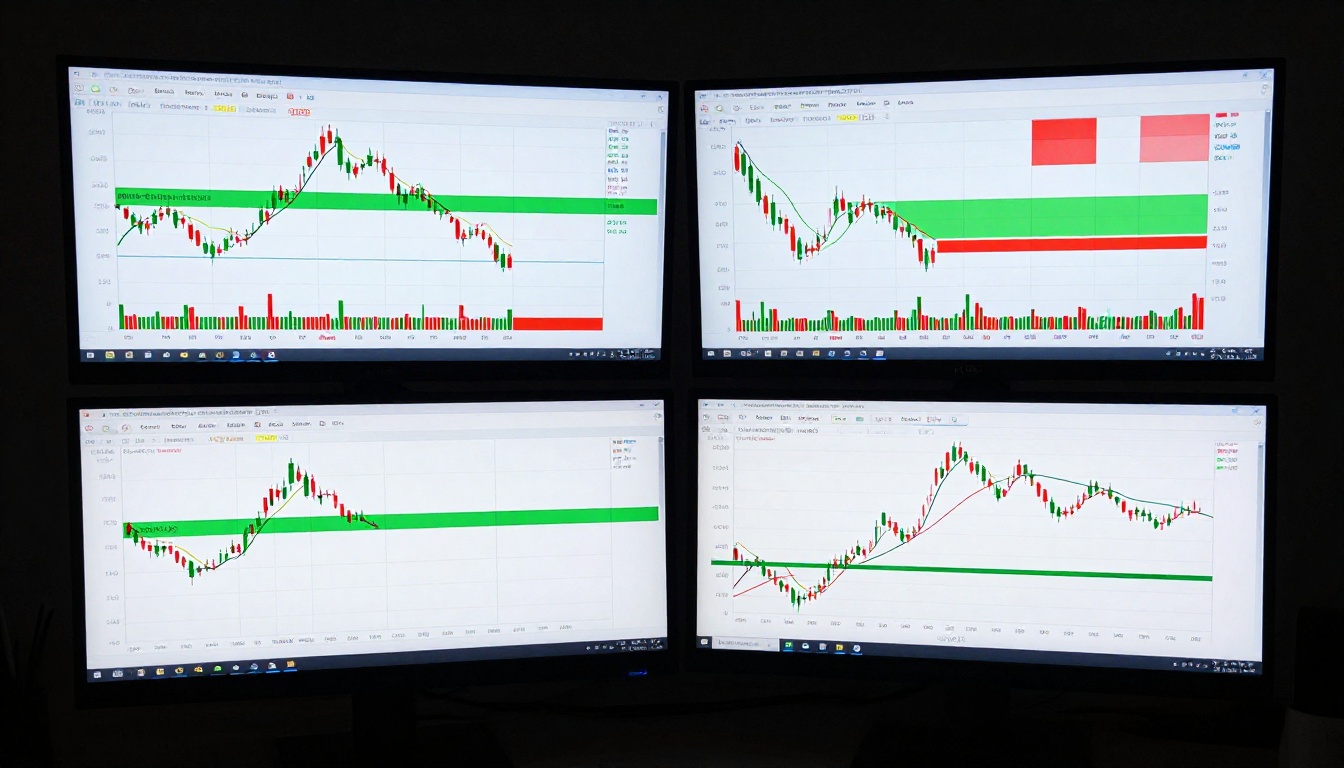
Every trader has a strategy that looks great in their head. Backtesting is how you find out whether it actually works. Here is how to test strategies properly, what metrics matter, and why most backtest results are too good to be true.

Risk-Reward Ratios: How to Set Targets That Make Your Strategy Profitable

Risk-Reward Ratios: How to Set Targets That Make Your Strategy Profitable

A risk-reward ratio compares how much you stand to lose on a trade to how much you stand to gain. It is arguably the most important number in your trading plan, because it determines whether your strategy can survive a normal losing streak.

Trading the News: How Economic Events Move Forex and What to Do About It

Trading the News: How Economic Events Move Forex and What to Do About It

Every month, a handful of economic data releases move the forex market more in five minutes than most sessions move in five days. Non-Farm Payrolls, CPI prints, and central bank rate decisions create violent spikes, whipsaws, and trend shifts that can make or break a trading account.

What Is a CFD? How Contracts for Difference Work and When to Use Them

What Is a CFD? How Contracts for Difference Work and When to Use Them

A CFD is a contract between you and your broker to exchange the difference in an asset's price from when you open the trade to when you close it. You never own the underlying asset. That single distinction shapes everything about how CFDs work, what they cost, and why regulators treat them differently from traditional investing.