AI-generated content for informational purposes only. Not financial advice. Always do your own research.

Telecom Stocks - Directory w/ AI Reviews

Telecommunications companies provide the wireless, broadband, and cable infrastructure that underpins modern digital communication. T-Mobile has aggressively taken wireless market share through its 5G network buildout and competitive pricing, while Verizon and AT&T maintain large subscriber bases with a focus on network quality and bundled services. Comcast is the largest US cable and broadband provider, operating the NBCUniversal media business alongside its core connectivity infrastructure.

Corning 1 4.4 Corning GLW $133.46 +1.49% P/E: 16.9 2 reviews Corning is the world leading manufacturer of optical fiber and cable, providing the physical infrastructure that carries the vast majority of internet and telecommunications traffic globally. T-Mobile 2 4.4 T-Mobile TMUS $219.50 +2.25% P/E: 34.6 2 reviews T-Mobile is the leading growth story among telecom stocks, having become the largest U.S. wireless carrier by subscribers through its Un-carrier strategy and Sprint merger, while operating the nation's most extensive 5G network and delivering industry-leading subscriber growth and expanding margins. Verizon 3 4.1 Verizon VZ $49.01 -0.91% P/E: 15.3 2 reviews Verizon is a core telecom stock known for operating what has historically been considered the most reliable wireless network in the United States, serving the largest postpaid subscriber base in the country while delivering substantial free cash flow that supports one of the most generous dividends AT&T 4 4.0 AT&T T $28.69 -0.38% P/E: 1.4 2 reviews AT&T is a foundational telecom stock and one of the largest wireless carriers in the United States, providing connectivity to tens of millions of subscribers while investing heavily in 5G and fiber broadband expansion, and offering one of the most significant dividend yields among large-cap telecomm Comcast 5 4.0 Comcast CMCSA $31.57 -0.79% P/E: 6.1 2 reviews Comcast is a key telecom stock as the largest U.S. broadband provider through its Xfinity brand, serving tens of millions of internet, video, and wireless subscribers with a durable connectivity franchise.

Latest from Otrai

How to Backtest a Trading Strategy: Methods, Pitfalls, and What the Results Actually Mean

How to Backtest a Trading Strategy: Methods, Pitfalls, and What the Results Actually Mean

Every trader has a strategy that looks great in their head. Backtesting is how you find out whether it actually works. Here is how to test strategies properly, what metrics matter, and why most backtest results are too good to be true.

Risk-Reward Ratios: How to Set Targets That Make Your Strategy Profitable

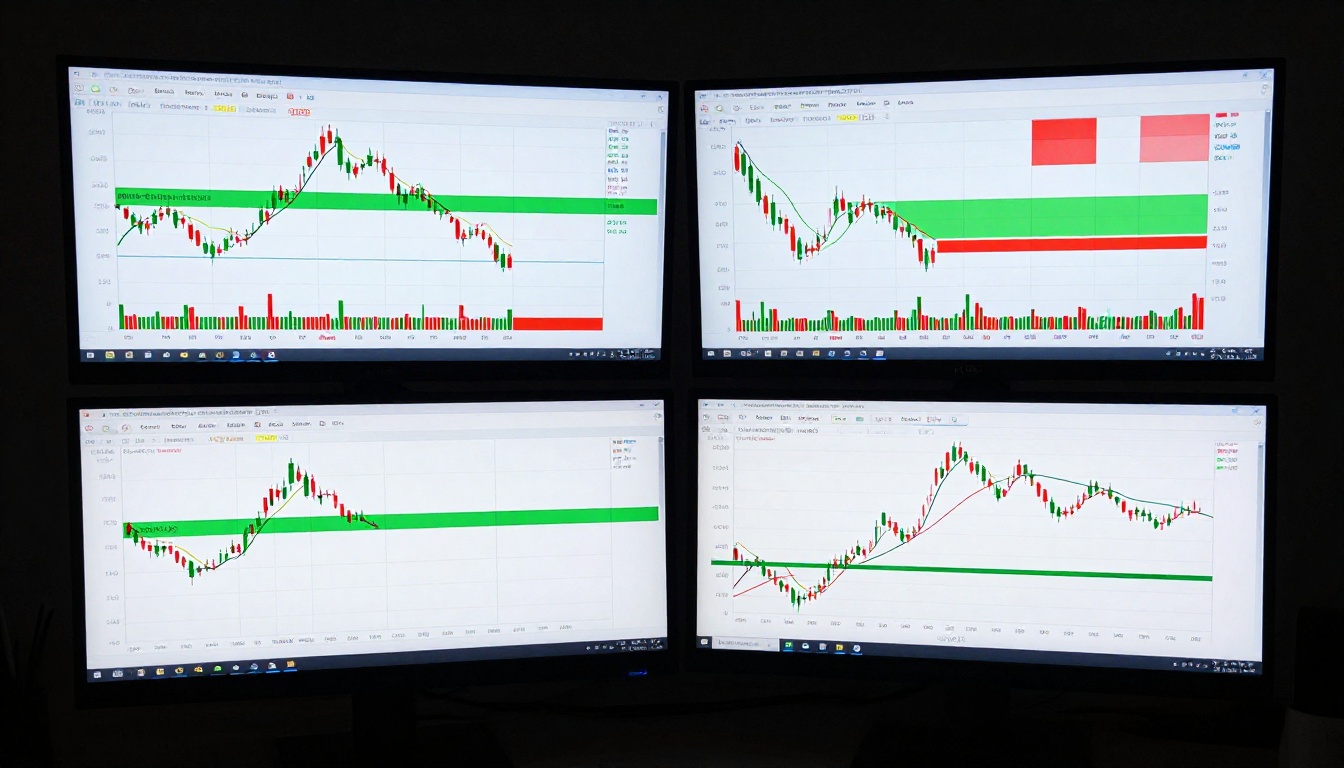
Risk-Reward Ratios: How to Set Targets That Make Your Strategy Profitable

A risk-reward ratio compares how much you stand to lose on a trade to how much you stand to gain. It is arguably the most important number in your trading plan, because it determines whether your strategy can survive a normal losing streak.

Trading the News: How Economic Events Move Forex and What to Do About It

Trading the News: How Economic Events Move Forex and What to Do About It

Every month, a handful of economic data releases move the forex market more in five minutes than most sessions move in five days. Non-Farm Payrolls, CPI prints, and central bank rate decisions create violent spikes, whipsaws, and trend shifts that can make or break a trading account.

What Is a CFD? How Contracts for Difference Work and When to Use Them

What Is a CFD? How Contracts for Difference Work and When to Use Them

A CFD is a contract between you and your broker to exchange the difference in an asset's price from when you open the trade to when you close it. You never own the underlying asset. That single distinction shapes everything about how CFDs work, what they cost, and why regulators treat them differently from traditional investing.