AI-generated content for informational purposes only. Not financial advice. Always do your own research.

Payment Stocks - Directory w/ AI Reviews

Payment networks and processing companies sit at the center of global commerce, earning fees on trillions of dollars of transactions annually. Visa and Mastercard operate the dominant card networks connecting billions of cardholders with millions of merchants worldwide, while PayPal and Block (formerly Square) address the digital wallet and small business merchant acquiring segments. Adyen and Fiserv serve the enterprise and institutional end of payment processing, enabling complex, high-volume transaction flows for global businesses.

MasterCard 1 4.8 MasterCard MA $518.36 -1.73% P/E: 30.5 6 reviews Mastercard operates one of the world's two dominant payment networks, processing billions of transactions globally and benefiting from the secular shift from cash to digital payments. Visa 2 4.8 Visa V $314.08 -3.12% P/E: 38.9 2 reviews Visa is the world's largest digital payments network, processing over 200 billion transactions annually and benefiting from the unstoppable secular shift from cash to electronic payments. Toast 3 4.0 Toast TOST $27.33 +4.55% 2 reviews Toast processes billions in restaurant payment volume through its integrated POS and payment platform, capturing a growing share of the restaurant technology and payments market. Fiserv 4 3.9 Fiserv FI $59.36 +0.92% 1 review Nexi is Italy's largest payment technology company and a major European acquirer, providing digital payment infrastructure for banks, merchants, and financial institutions across the continent. Adyen 5 3.8 Adyen ADYEY $10.72 -2.19% 1 review Adyen's single-platform approach to global payment processing for enterprise clients like Netflix and Spotify makes it one of the most innovative pure-play payment stocks available. Block Inc 6 3.4 Block Inc XYZ $49.80 +1.45% P/E: 11.3 2 reviews Block operates the Square merchant payment ecosystem and Cash App consumer platform, combining point-of-sale payments with peer-to-peer transfers and Bitcoin trading capabilities. Global-e Online 7 3.4 Global-e Online GLBE $31.66 -3.15% P/E: 7.9 1 review Global-e powers cross-border payment processing for e-commerce, managing currency conversion, duties, taxes, and local payment methods across 200+ international markets. PayPal 8 3.4 PayPal PYPL $40.29 +3.10% P/E: 6.7 2 reviews PayPal is one of the world's largest digital payment platforms, processing over $1.5 trillion annually and serving both consumers and merchants through its two-sided payment network. SoFi Technologies 9 3.2 SoFi Technologies SOFI $19.61 +1.61% P/E: 3.0 2 reviews SoFi Technologies is a digital-first financial services company offering lending, investing, banking, and payment solutions through a comprehensive member-centric platform.

Latest from Otrai

How to Backtest a Trading Strategy: Methods, Pitfalls, and What the Results Actually Mean

How to Backtest a Trading Strategy: Methods, Pitfalls, and What the Results Actually Mean

Every trader has a strategy that looks great in their head. Backtesting is how you find out whether it actually works. Here is how to test strategies properly, what metrics matter, and why most backtest results are too good to be true.
Risk-Reward Ratios: How to Set Targets That Make Your Strategy Profitable

Risk-Reward Ratios: How to Set Targets That Make Your Strategy Profitable

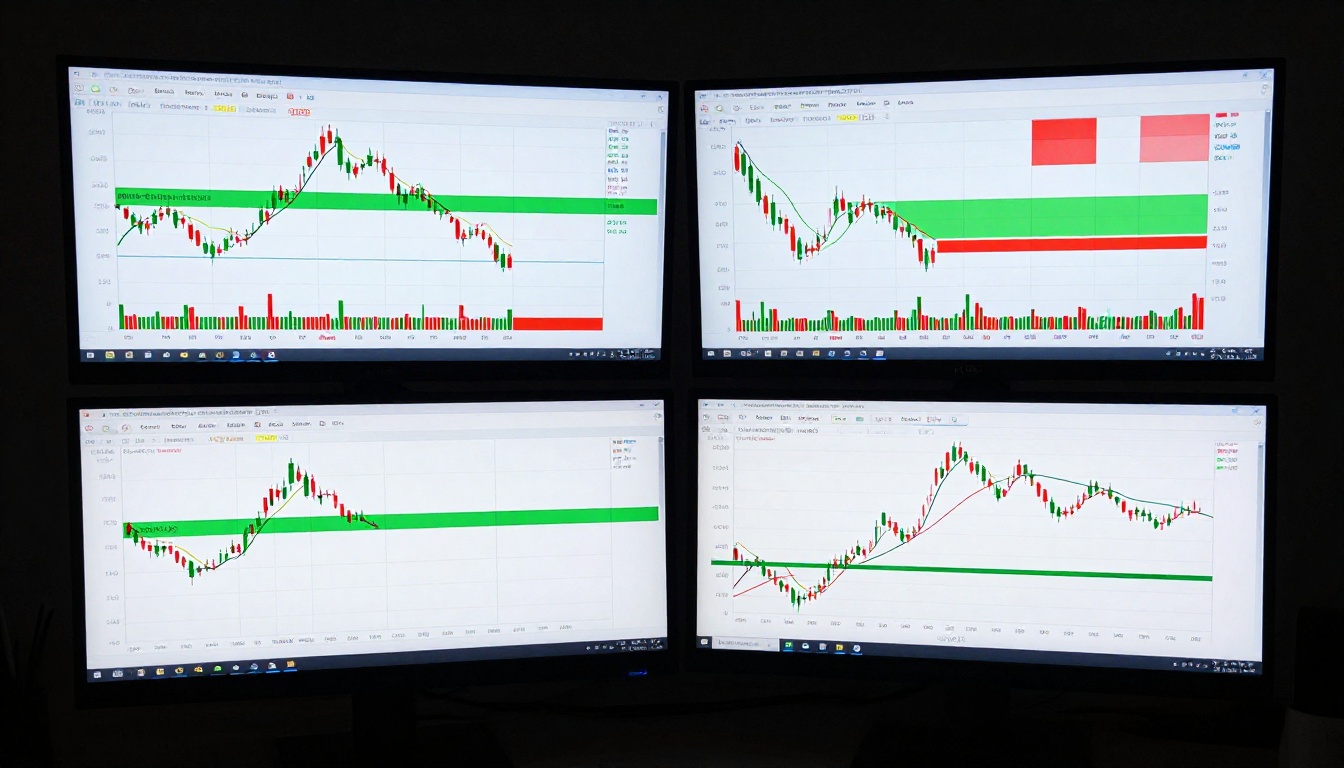
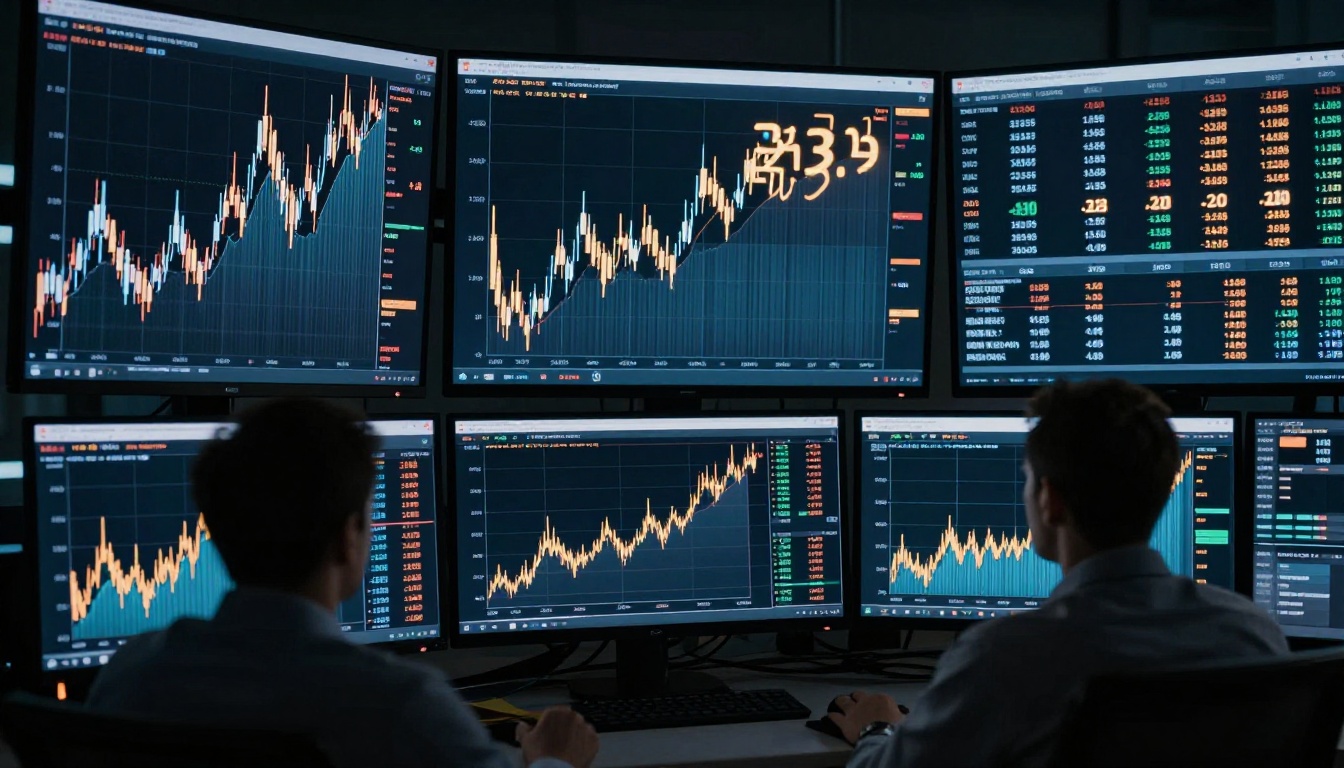
A risk-reward ratio compares how much you stand to lose on a trade to how much you stand to gain. It is arguably the most important number in your trading plan, because it determines whether your strategy can survive a normal losing streak.

Trading the News: How Economic Events Move Forex and What to Do About It

Trading the News: How Economic Events Move Forex and What to Do About It

Every month, a handful of economic data releases move the forex market more in five minutes than most sessions move in five days. Non-Farm Payrolls, CPI prints, and central bank rate decisions create violent spikes, whipsaws, and trend shifts that can make or break a trading account.

What Is a CFD? How Contracts for Difference Work and When to Use Them

What Is a CFD? How Contracts for Difference Work and When to Use Them

A CFD is a contract between you and your broker to exchange the difference in an asset's price from when you open the trade to when you close it. You never own the underlying asset. That single distinction shapes everything about how CFDs work, what they cost, and why regulators treat them differently from traditional investing.