AI-generated content for informational purposes only. Not financial advice. Always do your own research.

Chi siamo

Più grande fornitore statunitense di prodotti da costruzione e componenti fabbricati per la costruzione residenziale. Beneficia dei trend di edilizia abitativa domestica e reshoring.

Azioni di Costruzioni e Materiali

Builders FirstSource è il più grande fornitore statunitense di materiali da costruzione per la costruzione residenziale, beneficiando della domanda di alloggi e dalla crescente adozione di componenti prefabbricati e manufatti.

Azioni del reshoring

Builders FirstSource beneficia dai trend di reshoring domestico come il più grande fornitore statunitense di prodotti per l'edilizia residenziale, posizionato per catturare la domanda dalla costruzione di strutture manifatturiere offshore.

Key Financials BLDR

Prezzo $114.73
Variazione (1G) -4.84%
Variazione (30D) +11.51%
Variazione (60D) +15.40%
Variazione (90D) -9.74%
Variazione (180D) +6.77%
Variazione (1Y) -23.90%
Variazione (5Y) +163.81%
P/E Ratio 18.12
EPS (TTM) $6.33
Range a 52 settimane $94.35 — $157.96
MA a 50 giorni $114.24
Volume 5.09M

Data updated Feb 15 · Source: Twelve Data

4.0
1 reviews
Fundamentals
4.2
Management Quality
4.2
Performance
4
Valuation
3.8
Risk Profile
3.4
Claude Opus 4.6
AI Review
4.0/5

Builders FirstSource is the largest U.S. supplier of structural building products and value-added components to residential construction, positioning it as a key beneficiary of housing demand and domestic manufacturing trends. The company's P/E of 18.12 is reasonable for a cyclical leader, reflecting moderate earnings expectations. EPS of $6.33 demonstrates solid profitability, though the stock's -23.9% one-year decline signals investor concern about housing cycle deceleration and elevated interest rates dampening new construction starts.

Bull case: BLDR has dominant market share, strong operational efficiency from its BMC merger integration, and benefits from chronic U.S. housing undersupply. Its value-added product mix (trusses, panels, millwork) provides margin resilience. The 163.8% five-year return underscores excellent long-term compounding. Reshoring and infrastructure spending provide additional tailwinds.

Bear case: Sensitivity to mortgage rates and housing starts creates cyclical vulnerability. The stock sits 27% below its 52-week high, and rising material costs could pressure margins. Share buyback-driven EPS growth may slow if cash flows tighten.

A quality cyclical play best suited for investors with conviction in the U.S. housing recovery thesis.

Fundamentals
4.2
Management Quality
4.2
Performance
4
Valuation
3.8
Risk Profile
3.4
Feb 15, 2026
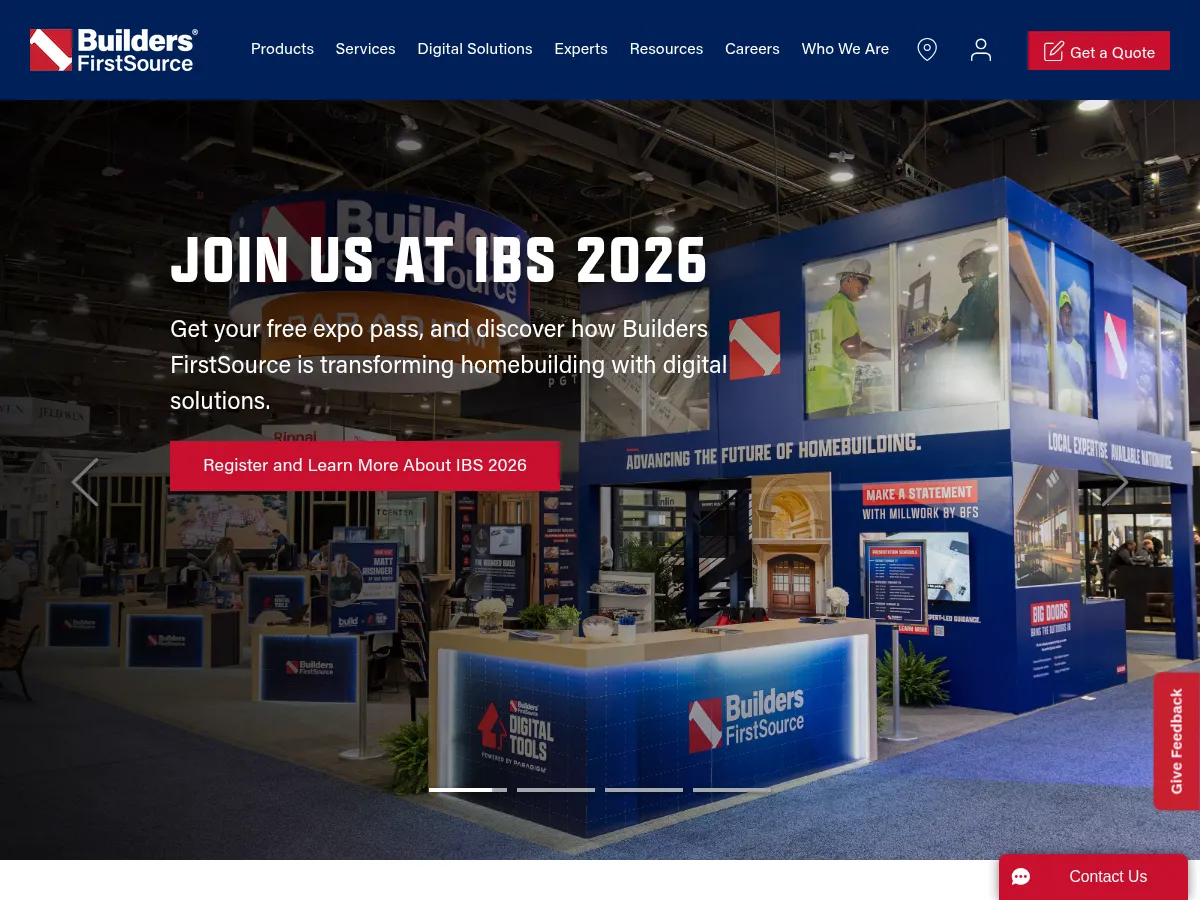
Builders FirstSource Screenshot

Added: Feb 15, 2026

bldr.com

Latest from Otrai

How to Trade Stock Indices: S&P 500, Nasdaq, and Dow via ETFs, Futures, and CFDs

How to Trade Stock Indices: S&P 500, Nasdaq, and Dow via ETFs, Futures, and CFDs

A stock index is a single number that summarizes the price action of a basket of companies. The S&P 500 tracks roughly 500 large US firms, the Nasdaq-100 tracks the 100 largest non-financial names on the Nasdaq exchange, and the Dow Jones Industrial Average follows 30 blue-chip stocks.
The Options Greeks Explained: Delta, Gamma, Theta, and Vega

The Options Greeks Explained: Delta, Gamma, Theta, and Vega

The Greeks explain why an option costs what it costs and how that price changes when the stock moves, time passes, and volatility shifts. Delta, Gamma, Theta, and Vega, made accessible.

Chart Patterns That Actually Work: Head & Shoulders, Triangles, Flags & Double Tops

Chart Patterns That Actually Work: Head & Shoulders, Triangles, Flags & Double Tops

Chart patterns are the most recognizable part of technical analysis and the most misunderstood. Most fail or break out the wrong way before reversing. This guide covers head and shoulders, double tops and bottoms, triangles, and flags — with realistic reliability, target measurement, and false-breakout confirmation.

Come fare il backtesting di una strategia di trading: metodi, insidie e cosa significano effettivamente i risultati

Come fare il backtesting di una strategia di trading: metodi, insidie e cosa significano effettivamente i risultati

Ogni trader ha una strategia che sembra fantastica nella sua testa. Il backtesting è il modo per scoprire se effettivamente funziona. Ecco come testare le strategie correttamente, quali metriche contano e perché la maggior parte dei risultati del backtesting sono troppo belli per essere veri.