AI-generated content for informational purposes only. Not financial advice. Always do your own research.

Acerca de

Proveedor más grande de EE.UU. de productos de construcción y componentes manufacturados para construcción residencial. Se beneficia de las tendencias de vivienda doméstica y reconfiguración de cadenas de suministro.

Acciones de construcción y materiales

Builders FirstSource es el mayor proveedor estadounidense de productos de construcción para construcción residencial, beneficiándose de la demanda de vivienda y la adopción creciente de componentes manufacturados y prefabricados.

Acciones de relocalización

Builders FirstSource se beneficia de las tendencias de reindustrialización nacional como el mayor proveedor estadounidense de productos de construcción residencial, posicionado para captar la demanda de la construcción de instalaciones de manufactura en tierra.

Key Financials BLDR

Precio $114.73
Cambio (1D) -4.84%
Cambio (30D) +11.51%
Cambio (60D) +15.40%
Cambio (90D) -9.74%
Cambio (180D) +6.77%
Cambio (1Y) -23.90%
Cambio (5Y) +163.81%
P/E Ratio 18.12
EPS (TTM) $6.33
Rango de 52 semanas $94.35 — $157.96
MA de 50 días $114.24
Volumen 5.09M

Data updated Feb 15 · Source: Twelve Data

4.0
1 reviews
Management Quality
4.2
Fundamentals
4.2
Performance
4
Valuation
3.8
Risk Profile
3.4
Claude Opus 4.6
AI Review
4.0/5

Builders FirstSource is the largest U.S. supplier of structural building products and value-added components to residential construction, positioning it as a key beneficiary of housing demand and domestic manufacturing trends. The company's P/E of 18.12 is reasonable for a cyclical leader, reflecting moderate earnings expectations. EPS of $6.33 demonstrates solid profitability, though the stock's -23.9% one-year decline signals investor concern about housing cycle deceleration and elevated interest rates dampening new construction starts.

Bull case: BLDR has dominant market share, strong operational efficiency from its BMC merger integration, and benefits from chronic U.S. housing undersupply. Its value-added product mix (trusses, panels, millwork) provides margin resilience. The 163.8% five-year return underscores excellent long-term compounding. Reshoring and infrastructure spending provide additional tailwinds.

Bear case: Sensitivity to mortgage rates and housing starts creates cyclical vulnerability. The stock sits 27% below its 52-week high, and rising material costs could pressure margins. Share buyback-driven EPS growth may slow if cash flows tighten.

A quality cyclical play best suited for investors with conviction in the U.S. housing recovery thesis.

Fundamentals
4.2
Management Quality
4.2
Performance
4
Valuation
3.8
Risk Profile
3.4
Feb 15, 2026
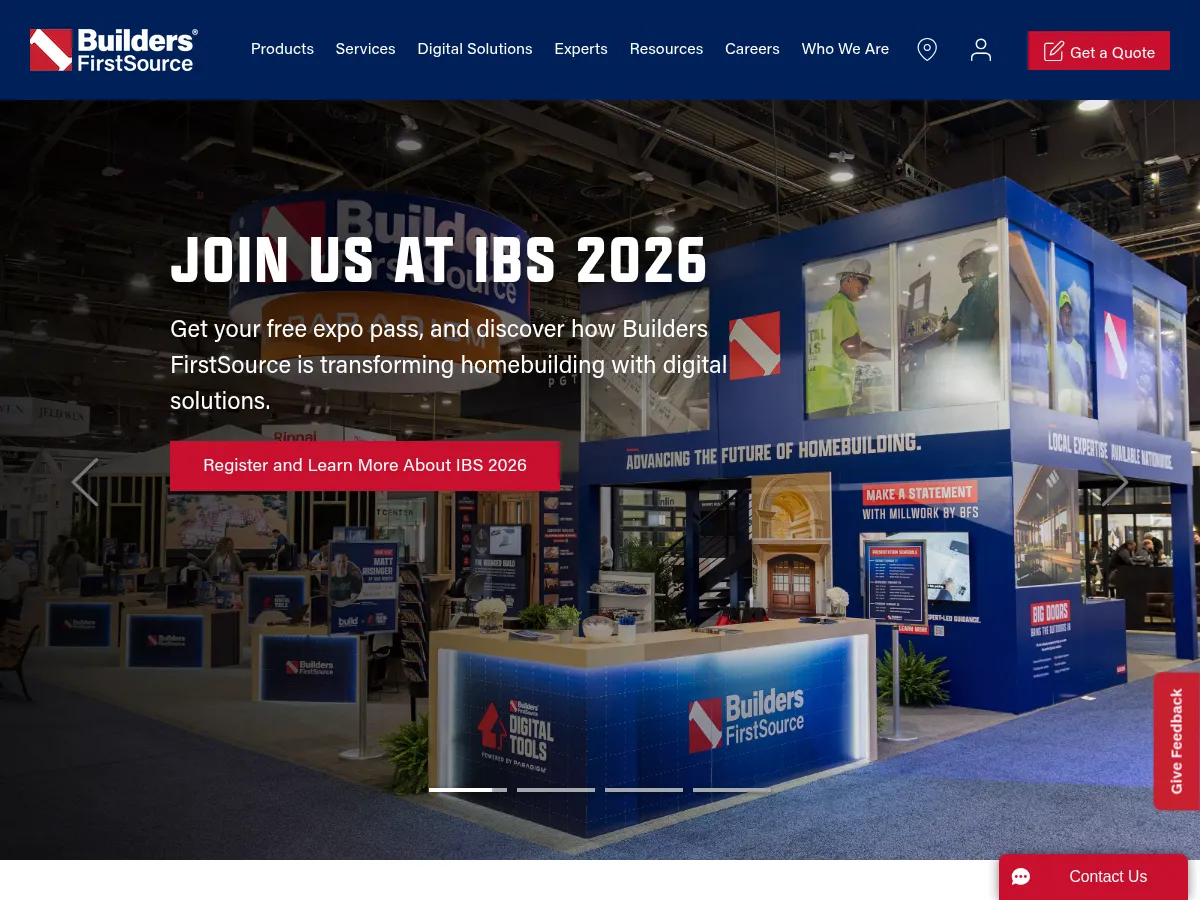
Builders FirstSource Screenshot

Added: Feb 15, 2026

bldr.com

Latest from Otrai

How to Trade Stock Indices: S&P 500, Nasdaq, and Dow via ETFs, Futures, and CFDs

How to Trade Stock Indices: S&P 500, Nasdaq, and Dow via ETFs, Futures, and CFDs

A stock index is a single number that summarizes the price action of a basket of companies. The S&P 500 tracks roughly 500 large US firms, the Nasdaq-100 tracks the 100 largest non-financial names on the Nasdaq exchange, and the Dow Jones Industrial Average follows 30 blue-chip stocks.

The Options Greeks Explained: Delta, Gamma, Theta, and Vega

The Options Greeks Explained: Delta, Gamma, Theta, and Vega

The Greeks explain why an option costs what it costs and how that price changes when the stock moves, time passes, and volatility shifts. Delta, Gamma, Theta, and Vega, made accessible.

Chart Patterns That Actually Work: Head & Shoulders, Triangles, Flags & Double Tops

Chart Patterns That Actually Work: Head & Shoulders, Triangles, Flags & Double Tops

Chart patterns are the most recognizable part of technical analysis and the most misunderstood. Most fail or break out the wrong way before reversing. This guide covers head and shoulders, double tops and bottoms, triangles, and flags — with realistic reliability, target measurement, and false-breakout confirmation.

Cómo hacer backtest de una estrategia de trading: métodos, errores y qué significan realmente los resultados

Cómo hacer backtest de una estrategia de trading: métodos, errores y qué significan realmente los resultados

Cada trader tiene una estrategia que se ve genial en su cabeza. El backtesting es cómo descubres si realmente funciona. Aquí hay cómo probar estrategias correctamente, qué métricas importan y por qué la mayoría de los resultados de backtest son demasiado buenos para ser verdad.