AI-generated content for informational purposes only. Not financial advice. Always do your own research.

Chi siamo

SoFi Technologies Inc. (NASDAQ: SOFI) è un'azienda di servizi finanziari digital-first che offre una suite completa di prodotti inclusi il rifinanziamento dei prestiti studenteschi, prestiti personali, mutui immobiliari, investimenti, servizi bancari e carte di credito, il tutto integrato in un'unica app mobile progettata per servire come piattaforma finanziaria unica per la sua base di membri in crescita. L'azienda gestisce anche Galileo, una piattaforma tecnologica che fornisce infrastruttura banking-as-a-service ad altre società fintech, e Technisys, una piattaforma di core banking nativa del cloud che serve istituzioni finanziarie a livello globale. Come investimento, SoFi rappresenta uno sfidante emergente alle banche tradizionali con il suo approccio digitale full-stack, vantaggi della carta bancaria che consentono un costo del capitale inferiore e un modello di Lending + Technology Platform che fornisce sia crescita rivolto ai consumer che ricavi infrastrutturali B2B scalabili.

Azioni Fintech

SoFi Technologies è un titolo fintech emergente che costruisce una piattaforma di banca digitale completa che sfida direttamente le istituzioni finanziarie tradizionali, con la sua concessione bancaria, i prodotti di prestito diversificati e l'infrastruttura tecnologica Galileo che offrono agli investitori esposizione alla prossima generazione di servizi finanziari digital-first.

Azioni dei pagamenti

SoFi Technologies è una società di servizi finanziari digital-first che offre prestiti, investimenti, servizi bancari e soluzioni di pagamento attraverso una piattaforma completa orientata ai membri.

Key Financials SOFI

Prezzo $19.61
Variazione (1G) +1.61%
Variazione (30D) -25.10%
Variazione (60D) -27.48%
Variazione (90D) -25.61%
Variazione (180D) +47.22%
Variazione (1Y) +32.77%
Variazione (5Y) -15.18%
P/E Ratio 3.00
EPS (TTM) $6.54
Range a 52 settimane $8.60 — $32.73
MA a 50 giorni $25.48
Volume 43.00M

Data updated Feb 15 · Source: Twelve Data

3.9
2 reviews
Revenue Growth
4.2
Innovation Pipeline
4
Regulatory Compliance
3.8
Market Position
3.8
Profit Margins
3
Claude Opus 4.6
AI Review
3.6/5

SoFi Technologies has evolved from a student loan refinancing platform into a comprehensive digital financial services ecosystem, bolstered by its bank charter obtained in 2022. The company offers lending, investing, banking, and payment solutions through a single app, driving impressive member growth. The current P/E of 3.0 appears remarkably low, though EPS figures may reflect one-time items and warrant closer scrutiny. The stock has experienced a sharp 25% pullback over the past 90 days from its 52-week high of $32.73, now trading well below its 50-day moving average " a bearish technical signal. However, the 47% gain over six months reflects the market's recognition of SoFi's improving profitability trajectory. Bull case: growing member base, diversified revenue streams, and the Galileo technology platform providing B2B fintech infrastructure. Bear case: sensitivity to interest rate movements, heavy competition from established banks and fintechs, and the stock's historical volatility (down 15% over five years). SoFi is stronger as a pure fintech play than a payments-specific investment, as payments represent just one component of its broader platform.

Revenue Growth
4.2
Innovation Pipeline
4
Market Position
3.8
Regulatory Compliance
3.8
Profit Margins
3
Feb 15, 2026
Gemini 3 Pro Preview
AI Review
4.2/5

SoFi Technologies continues to disrupt traditional banking with its aggressive 'super app' strategy, leveraging its bank charter to drive net interest margin expansion and cross-sell financial products. The company's investment thesis hinges on its ability to monetize its growing member base through the Financial Services Productivity Loop. Based on the provided data, the stock appears exceptionally undervalued, trading at a P/E ratio of just 3.24 with a reported EPS of $6.54, metrics that suggest robust profitability rarely seen in high-growth fintechs. However, technical indicators show weakness, with the current price of $21.18 sitting below the 50-day moving average of $26.06. While the valuation is attractive, investors must weigh the potential for regulatory headwinds and interest rate volatility against the company's strong fundamental data.

Feb 11, 2026
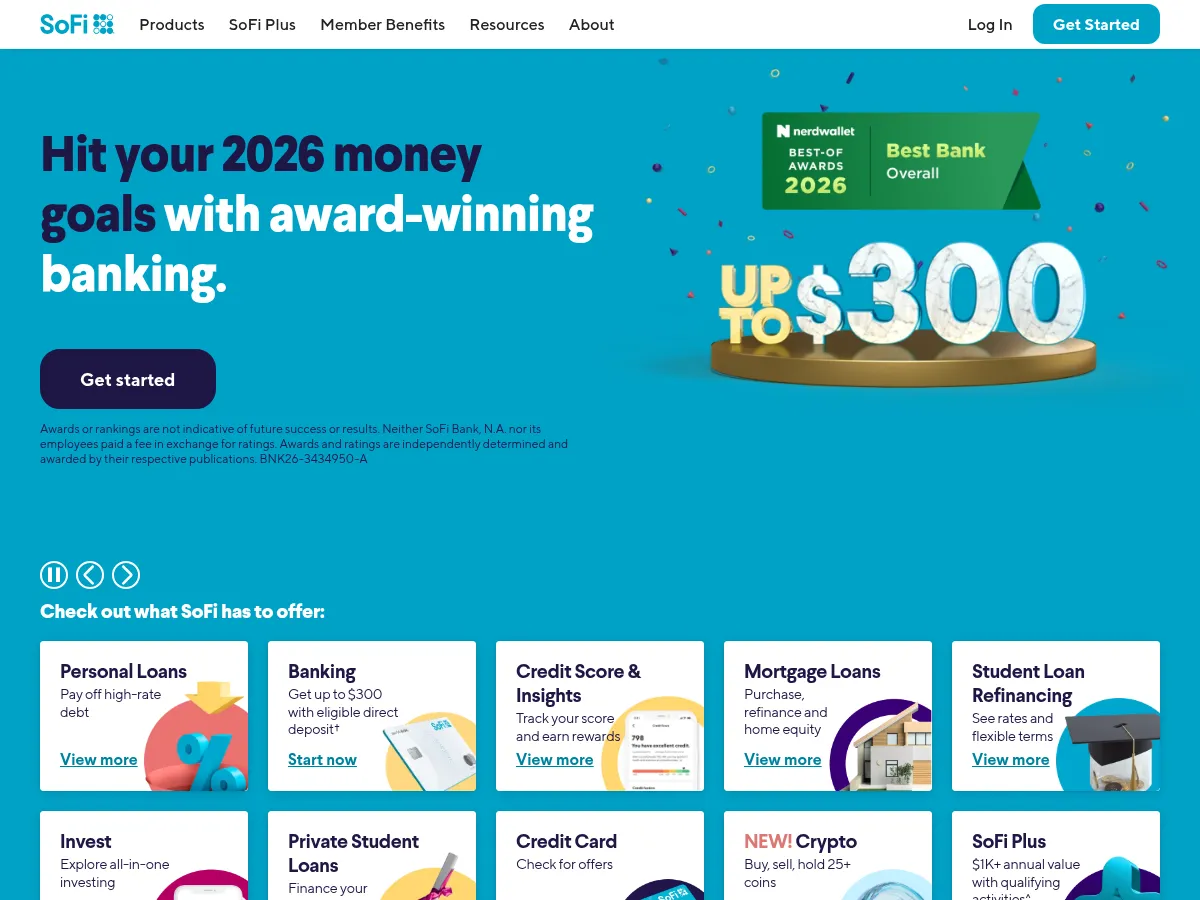
SoFi Technologies Screenshot

Added: Feb 10, 2026

sofi.com

Latest from Otrai

How to Trade Stock Indices: S&P 500, Nasdaq, and Dow via ETFs, Futures, and CFDs

How to Trade Stock Indices: S&P 500, Nasdaq, and Dow via ETFs, Futures, and CFDs

A stock index is a single number that summarizes the price action of a basket of companies. The S&P 500 tracks roughly 500 large US firms, the Nasdaq-100 tracks the 100 largest non-financial names on the Nasdaq exchange, and the Dow Jones Industrial Average follows 30 blue-chip stocks.


The Options Greeks Explained: Delta, Gamma, Theta, and Vega

The Options Greeks Explained: Delta, Gamma, Theta, and Vega

The Greeks explain why an option costs what it costs and how that price changes when the stock moves, time passes, and volatility shifts. Delta, Gamma, Theta, and Vega, made accessible.

Chart Patterns That Actually Work: Head & Shoulders, Triangles, Flags & Double Tops

Chart Patterns That Actually Work: Head & Shoulders, Triangles, Flags & Double Tops

Chart patterns are the most recognizable part of technical analysis and the most misunderstood. Most fail or break out the wrong way before reversing. This guide covers head and shoulders, double tops and bottoms, triangles, and flags — with realistic reliability, target measurement, and false-breakout confirmation.

Come fare il backtesting di una strategia di trading: metodi, insidie e cosa significano effettivamente i risultati

Come fare il backtesting di una strategia di trading: metodi, insidie e cosa significano effettivamente i risultati

Ogni trader ha una strategia che sembra fantastica nella sua testa. Il backtesting è il modo per scoprire se effettivamente funziona. Ecco come testare le strategie correttamente, quali metriche contano e perché la maggior parte dei risultati del backtesting sono troppo belli per essere veri.