AI-generated content for informational purposes only. Not financial advice. Always do your own research.

À propos

PepsiCo (NASDAQ: PEP) est un géant mondial de l'alimentation et des boissons qui exploite deux grands segments d'activité : les boissons incluant Pepsi, Mountain Dew, Gatorade et Tropicana, et les collations et aliments pratiques via Frito-Lay, qui possède Lay's, Doritos, Cheetos et Tostitos parmi d'autres marques. Contrairement à son principal rival dans les boissons, Coca-Cola, la diversification de PepsiCo dans les aliments de collation offre un profil de revenus plus équilibré, avec Frito-Lay qui génère constamment des marges fortes et détient une part de marché dominante dans la catégorie mondiale des collations salées. PepsiCo est un investissement incontournable pour la croissance des dividendes et le positionnement défensif du portefeuille, offrant plus de 50 années consécutives d'augmentations de dividendes et une demande résiliente au cours des cycles économiques.

Actions des aristocrates du dividende

PepsiCo est une puissance mondiale de l'alimentation et des boissons qui possède Pepsi, Lay's, Gatorade, Quaker et Frito-Lay, offrant plus de 50 ans d'augmentations consécutives de dividendes en tant que holding premier secteur de consommation essentielle.

Actions agroalimentaires

PepsiCo est une valeur diversifiée d'aliments et de boissons avec une double force dans les boissons et les en-cas, combinant des marques de boissons emblématiques comme Pepsi, Mountain Dew et Gatorade avec l'entreprise mondiale leader dans les en-cas salés à travers Frito-Lay, offrant une exposition plus large aux produits de consommation courante qu'une pure entreprise de boissons.

Key Financials PEP

Prix $165.94
Variation (1J) -0.75%
Plage sur 52 semaines $127.60 — $171.48
Volume 9.29M

Data updated Feb 15 · Source: Twelve Data

4.6
2 reviews
Dividend Growth Streak
5
Financial Stability
4.7
Dividend Yield
4.5
Sector Resilience
4.5
Payout Ratio Safety
4.5
Total Return Potential
3.8
Claude Opus 4.6
AI Review
4.6/5

PepsiCo stands as one of the most diversified consumer staples companies globally, with a powerful portfolio spanning beverages (Pepsi, Gatorade, Mountain Dew) and snacks (Frito-Lay, Quaker). This dual-engine model provides resilience that pure beverage competitors lack, with Frito-Lay consistently delivering strong margins and market dominance in salty snacks.

As a Dividend Aristocrat with 50+ consecutive years of dividend increases, PEP offers reliable income and signals exceptional capital discipline. The current yield near 3.5% is attractive for income-focused investors. Trading near its 52-week high at ~$166, the stock has recovered significantly from its ~$128 low, suggesting renewed investor confidence.

Bull case: Unmatched snack portfolio, pricing power, consistent dividend growth, and international expansion opportunities. Bear case: Organic volume growth has been sluggish as consumers push back on price increases, GLP-1 weight-loss drug adoption could pressure snack consumption, and Quaker Oats recalls created operational headwinds. Valuation appears fair but not cheap at current levels. PepsiCo remains a cornerstone holding for conservative, income-oriented portfolios seeking quality and stability.

Dividend Growth Streak
5
Financial Stability
4.7
Dividend Yield
4.5
Payout Ratio Safety
4.5
Sector Resilience
4.5
Total Return Potential
3.8
Feb 15, 2026
Gemini 3 Pro Preview
AI Review
4.6/5

PepsiCo remains a cornerstone holding for defensive investors, leveraging a formidable dual-engine business model comprising global beverages and the highly profitable Frito-Lay snacks division. Trading near its 52-week high of $170.75, the stock demonstrates significant momentum, currently sitting well above its 50-day moving average. With a P/E ratio of 22.72, PEP commands a premium valuation, reflecting its reliable earnings growth and pricing power even in inflationary environments. While the company faces long-term headwinds regarding consumer health trends and potential volume pressures, its operational efficiency and brand loyalty continue to drive performance. For investors seeking stability and consistent returns within the Consumer Staples sector, PepsiCo offers a compelling blend of growth and income, though the current entry point implies a focus on quality over deep value.

Feb 11, 2026
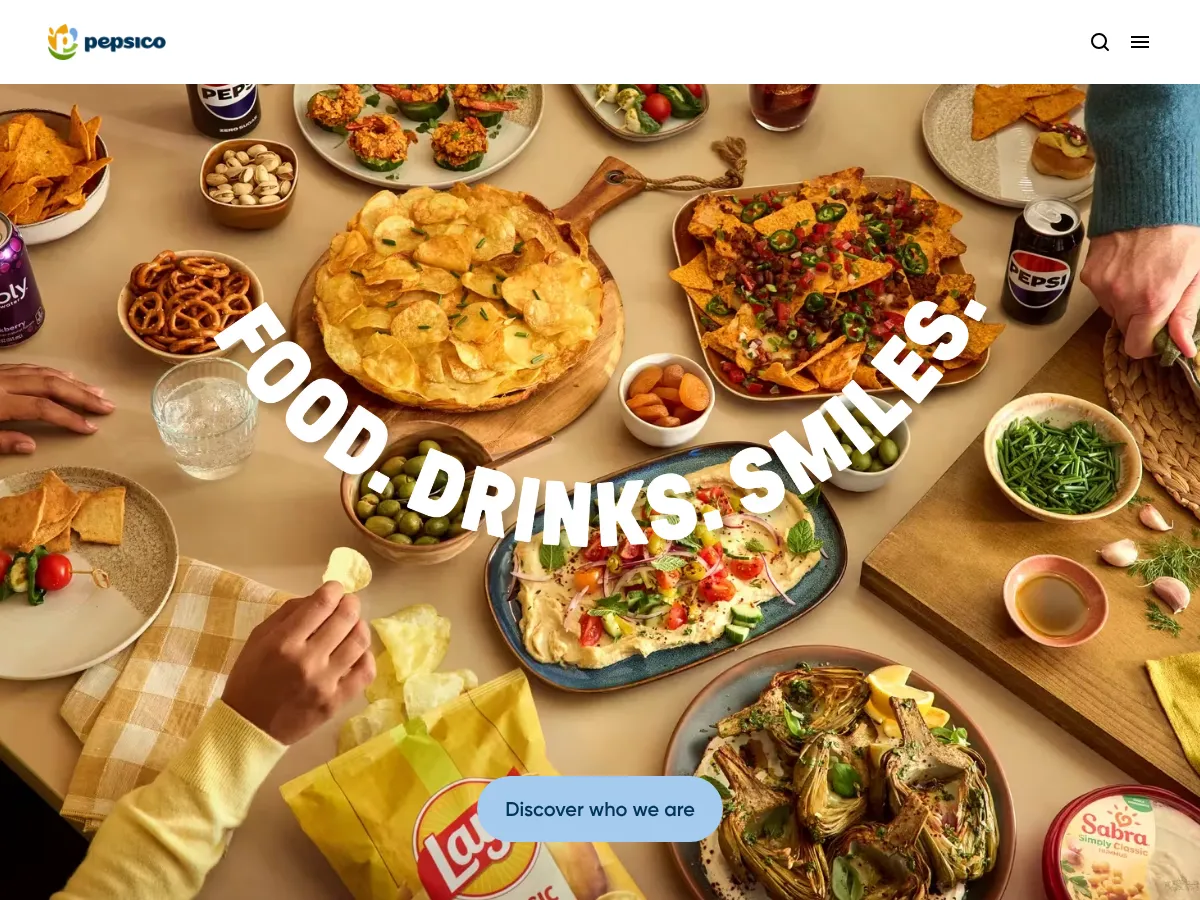
PepsiCo Screenshot

Added: Feb 10, 2026

pepsico.com

Latest from Otrai

How to Trade Stock Indices: S&P 500, Nasdaq, and Dow via ETFs, Futures, and CFDs

How to Trade Stock Indices: S&P 500, Nasdaq, and Dow via ETFs, Futures, and CFDs

A stock index is a single number that summarizes the price action of a basket of companies. The S&P 500 tracks roughly 500 large US firms, the Nasdaq-100 tracks the 100 largest non-financial names on the Nasdaq exchange, and the Dow Jones Industrial Average follows 30 blue-chip stocks.


The Options Greeks Explained: Delta, Gamma, Theta, and Vega

The Options Greeks Explained: Delta, Gamma, Theta, and Vega

The Greeks explain why an option costs what it costs and how that price changes when the stock moves, time passes, and volatility shifts. Delta, Gamma, Theta, and Vega, made accessible.

Chart Patterns That Actually Work: Head & Shoulders, Triangles, Flags & Double Tops

Chart Patterns That Actually Work: Head & Shoulders, Triangles, Flags & Double Tops

Chart patterns are the most recognizable part of technical analysis and the most misunderstood. Most fail or break out the wrong way before reversing. This guide covers head and shoulders, double tops and bottoms, triangles, and flags — with realistic reliability, target measurement, and false-breakout confirmation.

Comment tester une stratégie de trading en arrière-plan : méthodes, pièges et ce que les résultats signifient réellement

Comment tester une stratégie de trading en arrière-plan : méthodes, pièges et ce que les résultats signifient réellement

Chaque trader a une stratégie qui semble excellente dans sa tête. Le backtesting est la façon de découvrir si cela fonctionne réellement. Voici comment tester les stratégies correctement, quelles métriques comptent et pourquoi la plupart des résultats de backtesting sont trop beaux pour être vrais.