
AI-generated content for informational purposes only. Not financial advice. Always do your own research.

About

PepsiCo (NASDAQ: PEP) is a global food and beverage powerhouse that operates two major business segments: beverages including Pepsi, Mountain Dew, Gatorade, and Tropicana, and snacks and convenient foods through Frito-Lay, which owns Lay's, Doritos, Cheetos, and Tostitos among other brands. Unlike its chief beverage rival Coca-Cola, PepsiCo's diversification into snack foods provides a more balanced revenue profile, with Frito-Lay consistently delivering strong margins and commanding dominant market share in the salty snack category globally. PepsiCo is a staple investment for dividend growth and defensive portfolio positioning, offering over 50 consecutive years of dividend increases and resilient demand across economic cycles.

Dividend Aristocrat Stocks

PepsiCo is a global food and beverage powerhouse owning Pepsi, Lay's, Gatorade, Quaker, and Frito-Lay, delivering over 50 years of consecutive dividend increases as a premier consumer staples holding.

Food and Beverage Stocks

PepsiCo is a diversified food and beverage stock with dual strength in both drinks and snack foods, combining iconic beverage brands like Pepsi, Mountain Dew, and Gatorade with the world's leading salty snack business through Frito-Lay, providing broader consumer staples exposure than a pure beverage company.

Key Financials PEP

Price $165.94
Change (1D) -0.75%
52-Week Range $127.60 — $171.48
Volume 9.29M

Data updated Feb 15 · Source: Twelve Data

4.6
2 reviews
Dividend Growth Streak
5
Financial Stability
4.7
Dividend Yield
4.5
Sector Resilience
4.5
Payout Ratio Safety
4.5
Total Return Potential
3.8
Claude Opus 4.6
AI Review
4.6/5

PepsiCo stands as one of the most diversified consumer staples companies globally, with a powerful portfolio spanning beverages (Pepsi, Gatorade, Mountain Dew) and snacks (Frito-Lay, Quaker). This dual-engine model provides resilience that pure beverage competitors lack, with Frito-Lay consistently delivering strong margins and market dominance in salty snacks.

As a Dividend Aristocrat with 50+ consecutive years of dividend increases, PEP offers reliable income and signals exceptional capital discipline. The current yield near 3.5% is attractive for income-focused investors. Trading near its 52-week high at ~$166, the stock has recovered significantly from its ~$128 low, suggesting renewed investor confidence.

Bull case: Unmatched snack portfolio, pricing power, consistent dividend growth, and international expansion opportunities. Bear case: Organic volume growth has been sluggish as consumers push back on price increases, GLP-1 weight-loss drug adoption could pressure snack consumption, and Quaker Oats recalls created operational headwinds. Valuation appears fair but not cheap at current levels. PepsiCo remains a cornerstone holding for conservative, income-oriented portfolios seeking quality and stability.

Dividend Growth Streak
5
Financial Stability
4.7
Dividend Yield
4.5
Payout Ratio Safety
4.5
Sector Resilience
4.5
Total Return Potential
3.8
Feb 15, 2026
Gemini 3 Pro Preview
AI Review
4.6/5

PepsiCo remains a cornerstone holding for defensive investors, leveraging a formidable dual-engine business model comprising global beverages and the highly profitable Frito-Lay snacks division. Trading near its 52-week high of $170.75, the stock demonstrates significant momentum, currently sitting well above its 50-day moving average. With a P/E ratio of 22.72, PEP commands a premium valuation, reflecting its reliable earnings growth and pricing power even in inflationary environments. While the company faces long-term headwinds regarding consumer health trends and potential volume pressures, its operational efficiency and brand loyalty continue to drive performance. For investors seeking stability and consistent returns within the Consumer Staples sector, PepsiCo offers a compelling blend of growth and income, though the current entry point implies a focus on quality over deep value.

Feb 11, 2026

Latest from Otrai

How to Backtest a Trading Strategy: Methods, Pitfalls, and What the Results Actually Mean

How to Backtest a Trading Strategy: Methods, Pitfalls, and What the Results Actually Mean

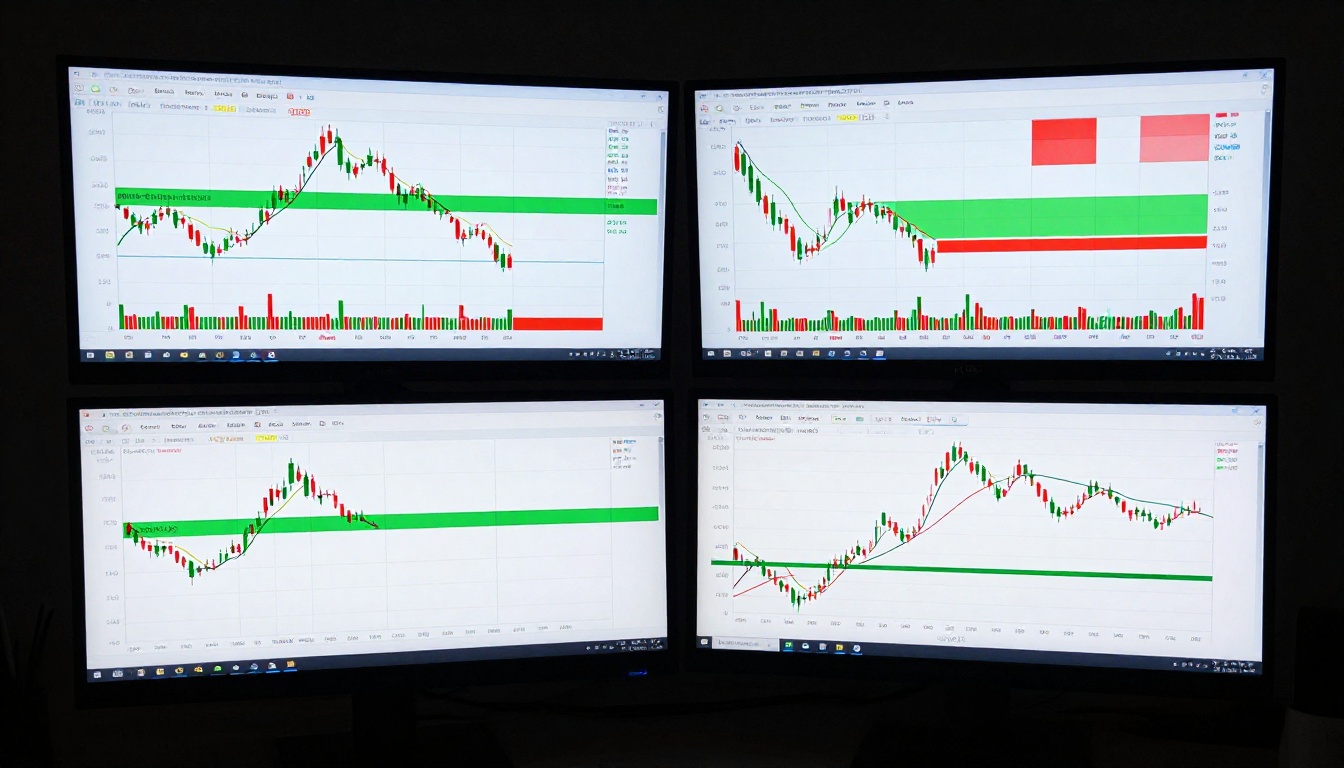
Every trader has a strategy that looks great in their head. Backtesting is how you find out whether it actually works. Here is how to test strategies properly, what metrics matter, and why most backtest results are too good to be true.

Risk-Reward Ratios: How to Set Targets That Make Your Strategy Profitable

Risk-Reward Ratios: How to Set Targets That Make Your Strategy Profitable

A risk-reward ratio compares how much you stand to lose on a trade to how much you stand to gain. It is arguably the most important number in your trading plan, because it determines whether your strategy can survive a normal losing streak.

Trading the News: How Economic Events Move Forex and What to Do About It

Trading the News: How Economic Events Move Forex and What to Do About It

Every month, a handful of economic data releases move the forex market more in five minutes than most sessions move in five days. Non-Farm Payrolls, CPI prints, and central bank rate decisions create violent spikes, whipsaws, and trend shifts that can make or break a trading account.

What Is a CFD? How Contracts for Difference Work and When to Use Them

What Is a CFD? How Contracts for Difference Work and When to Use Them

A CFD is a contract between you and your broker to exchange the difference in an asset's price from when you open the trade to when you close it. You never own the underlying asset. That single distinction shapes everything about how CFDs work, what they cost, and why regulators treat them differently from traditional investing.