AI-generated content for informational purposes only. Not financial advice. Always do your own research.

Über uns

Airbnb betreibt den weltgrößten Online-Marktplatz für kurzfristige Unterkünfte und Reiseerlebnisse und verbindet Millionen von Gastgebern mit Gästen in praktisch jedem Land der Erde. Die Plattform hat die traditionelle Hotelindustrie grundlegend gestört, indem sie es jedem ermöglicht, Zimmer oder Anlageimmobilien zu monetarisieren. Airbnb spricht Wachstumsinvestoren an, die glauben, dass die Verschiebung hin zu Erlebnisreisen und alternativen Unterkünften einen langfristigen säkularen Trend darstellt.

Growth Stocks

Airbnb setzt sein Wachstum bei aktiven Angeboten fort, expandiert in neue Kategorien wie Langzeitaufenthalte und Luxusunterkünfte und verbessert seine Gewinnquote, was Wachstumsinvestoren eine Plattformgeschäft mit erweiternden Margen und einem massiven adressierbaren Markt bietet.

Hotelaktien

Airbnb ist die dominierende globale Plattform für kurzfristige Ferienvermietungen und Reiseerlebnisse und gibt Investoren direkte Exposure zur säkularen Zunahme der Freizeit- und Erfahrungsreiseausgaben weltweit.

Tech Stocks

Airbnb ist grundsätzlich eine Technologieplattform, die Algorithmen verwendet, um Gastgeber mit Gästen zu verbinden, Preise zu optimieren und Suchergebnisse zu personalisieren, was es zu einem Tech-Aktie macht, die auf Netzwerkeffekten, Daten und Software statt auf physischen Vermögenswerten aufgebaut ist.

Key Financials ABNB

Preis $121.35
Veränderung (1T) +4.65%
Veränderung (30D) -10.59%
Veränderung (60D) +3.19%
Veränderung (90D) +0.83%
Veränderung (180D) -5.69%
Veränderung (1Y) -13.64%
Veränderung (5Y) -39.29%
KGV 34.67
EPS (TTM) $3.50
52-Wochen-Spanne $99.88 — $163.93
50-Tage-Durchschnitt $130.50
Volumen 11.01M

Data updated Feb 15 · Source: Twelve Data

4.0
2 reviews
Profit Margin Trends
4
EPS Growth
3.5
Future Growth Prospects
3.3
Market Share Expansion
3
Revenue Growth Rate
2.8
Claude Opus 4.6
AI Review
3.6/5

Airbnb remains a dominant platform in short-term rentals with a powerful network effect and asset-light business model. The company has achieved consistent profitability with EPS of $3.50, and its P/E of 34.67 reflects moderate growth expectations. However, the stock has significantly underperformed, down 39% over five years and 13.6% over the past year, trading well below its 52-week high of $163.93 and its 50-day moving average.

Bull case: Airbnb's brand moat is formidable, free cash flow generation is strong, and expansion into experiences and longer-term stays diversifies revenue. Regulatory tailwinds in some markets and international growth offer upside.

Bear case: Growth is decelerating as the post-pandemic travel surge normalizes. Regulatory headwinds in major cities (NYC, Barcelona) threaten supply. Competition from Booking Holdings and Vrbo intensifies, while the premium valuation leaves little margin for error. The prolonged downtrend from IPO highs suggests the market is repricing ABNB as a mature platform rather than a high-growth disruptor. Investors should watch for reacceleration in nights booked before adding positions.

Profit Margin Trends
4
EPS Growth
3.5
Future Growth Prospects
3.3
Market Share Expansion
3
Revenue Growth Rate
2.8
Feb 15, 2026
Gemini 3 Pro Preview
AI Review
4.4/5

Airbnb remains the preeminent force in alternative accommodations, leveraging powerful network effects and an asset-light model that generates impressive free cash flow. The company has matured significantly, shifting focus from growth at all costs to GAAP profitability and share repurchases, making it a standout in the travel technology sector. With the stock trading around $119, well below its 52-week high of $163.93, valuation multiples have compressed to more attractive levels for long-term investors. However, risks persist; regulatory headwinds in major cities and potential consumer pullback on discretionary travel could dampen near-term momentum. While competition from Booking.com and traditional hotels is fierce, Airbnb's brand ubiquity and unique inventory offer a distinct competitive moat, making it a compelling, albeit volatile, portfolio addition.

Feb 12, 2026
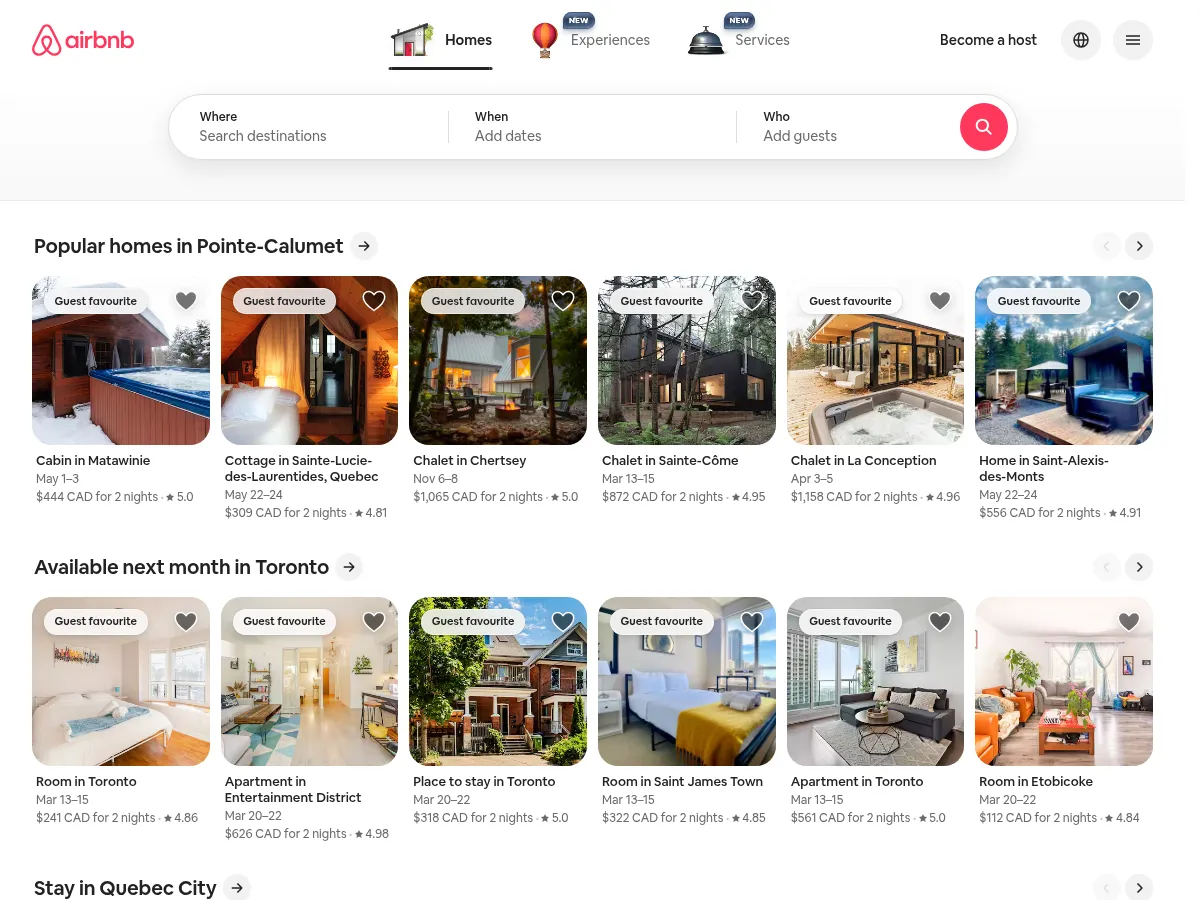
Airbnb Screenshot

Added: Feb 11, 2026

airbnb.com

Latest from Otrai

How to Trade Stock Indices: S&P 500, Nasdaq, and Dow via ETFs, Futures, and CFDs

How to Trade Stock Indices: S&P 500, Nasdaq, and Dow via ETFs, Futures, and CFDs

A stock index is a single number that summarizes the price action of a basket of companies. The S&P 500 tracks roughly 500 large US firms, the Nasdaq-100 tracks the 100 largest non-financial names on the Nasdaq exchange, and the Dow Jones Industrial Average follows 30 blue-chip stocks.


The Options Greeks Explained: Delta, Gamma, Theta, and Vega

The Options Greeks Explained: Delta, Gamma, Theta, and Vega

The Greeks explain why an option costs what it costs and how that price changes when the stock moves, time passes, and volatility shifts. Delta, Gamma, Theta, and Vega, made accessible.

Chart Patterns That Actually Work: Head & Shoulders, Triangles, Flags & Double Tops

Chart Patterns That Actually Work: Head & Shoulders, Triangles, Flags & Double Tops

Chart patterns are the most recognizable part of technical analysis and the most misunderstood. Most fail or break out the wrong way before reversing. This guide covers head and shoulders, double tops and bottoms, triangles, and flags — with realistic reliability, target measurement, and false-breakout confirmation.

So backtesten Sie eine Handelsstrategie: Methoden, Fallstricke und was die Ergebnisse tatsächlich bedeuten

So backtesten Sie eine Handelsstrategie: Methoden, Fallstricke und was die Ergebnisse tatsächlich bedeuten

Jeder Trader hat eine Strategie, die in seinem Kopf großartig aussieht. Backtesting ist die Art herauszufinden, ob sie tatsächlich funktioniert. Hier erfahren Sie, wie Sie Strategien richtig testen, welche Kennzahlen wichtig sind und warum die meisten Backtest-Ergebnisse zu gut sind, um wahr zu sein.