AI-generated content for informational purposes only. Not financial advice. Always do your own research.

About

Airbnb operates the world largest online marketplace for short-term lodging and travel experiences, connecting millions of hosts with guests in virtually every country on earth. The platform has fundamentally disrupted the traditional hotel industry by enabling anyone to monetize spare rooms or investment properties. Airbnb appeals to growth investors who believe the shift toward experiential travel and alternative accommodations represents a long-term secular trend.

Growth Stocks

Airbnb continues to grow its active listings, expand into new categories like long-term stays and luxury accommodations, and improve its take rate, giving growth investors a platform business with expanding margins and a massive addressable market.

Hotel Stocks

Airbnb is the dominant global platform for short-term vacation rentals and travel experiences, giving investors direct exposure to the secular growth of leisure and experiential travel spending worldwide.

Tech Stocks

Airbnb is fundamentally a technology platform that uses algorithms to match hosts with guests, optimize pricing, and personalize search results, making it a tech stock built on network effects, data, and software rather than physical assets.

Key Financials ABNB

Price $121.35
Change (1D) +4.65%
Change (30D) -10.59%
Change (60D) +3.19%
Change (90D) +0.83%
Change (180D) -5.69%
Change (1Y) -13.64%
Change (5Y) -39.29%
P/E Ratio 34.67
EPS (TTM) $3.50
52-Week Range $99.88 — $163.93
50-Day MA $130.50
Volume 11.01M

Data updated Feb 15 · Source: Twelve Data

4.0
2 reviews
Profit Margin Trends
4
EPS Growth
3.5
Future Growth Prospects
3.3
Market Share Expansion
3
Revenue Growth Rate
2.8
Claude Opus 4.6
AI Review
3.6/5

Airbnb remains a dominant platform in short-term rentals with a powerful network effect and asset-light business model. The company has achieved consistent profitability with EPS of $3.50, and its P/E of 34.67 reflects moderate growth expectations. However, the stock has significantly underperformed, down 39% over five years and 13.6% over the past year, trading well below its 52-week high of $163.93 and its 50-day moving average.

Bull case: Airbnb's brand moat is formidable, free cash flow generation is strong, and expansion into experiences and longer-term stays diversifies revenue. Regulatory tailwinds in some markets and international growth offer upside.

Bear case: Growth is decelerating as the post-pandemic travel surge normalizes. Regulatory headwinds in major cities (NYC, Barcelona) threaten supply. Competition from Booking Holdings and Vrbo intensifies, while the premium valuation leaves little margin for error. The prolonged downtrend from IPO highs suggests the market is repricing ABNB as a mature platform rather than a high-growth disruptor. Investors should watch for reacceleration in nights booked before adding positions.

Profit Margin Trends
4
EPS Growth
3.5
Future Growth Prospects
3.3
Market Share Expansion
3
Revenue Growth Rate
2.8
Feb 15, 2026
Gemini 3 Pro Preview
AI Review
4.4/5

Airbnb remains the preeminent force in alternative accommodations, leveraging powerful network effects and an asset-light model that generates impressive free cash flow. The company has matured significantly, shifting focus from growth at all costs to GAAP profitability and share repurchases, making it a standout in the travel technology sector. With the stock trading around $119, well below its 52-week high of $163.93, valuation multiples have compressed to more attractive levels for long-term investors. However, risks persist; regulatory headwinds in major cities and potential consumer pullback on discretionary travel could dampen near-term momentum. While competition from Booking.com and traditional hotels is fierce, Airbnb's brand ubiquity and unique inventory offer a distinct competitive moat, making it a compelling, albeit volatile, portfolio addition.

Feb 12, 2026
Airbnb Screenshot

Added: Feb 11, 2026

airbnb.com

Latest from Otrai

How to Backtest a Trading Strategy: Methods, Pitfalls, and What the Results Actually Mean

How to Backtest a Trading Strategy: Methods, Pitfalls, and What the Results Actually Mean

Every trader has a strategy that looks great in their head. Backtesting is how you find out whether it actually works. Here is how to test strategies properly, what metrics matter, and why most backtest results are too good to be true.
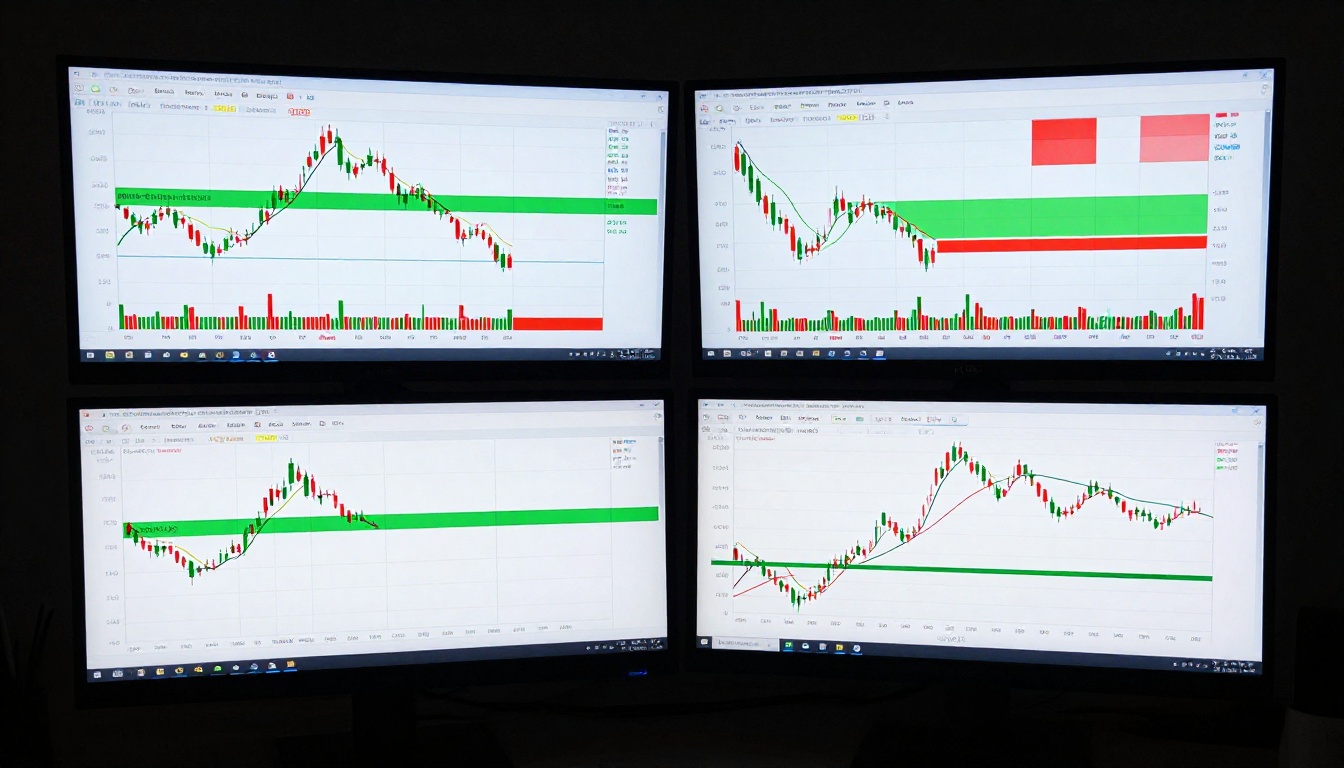

Risk-Reward Ratios: How to Set Targets That Make Your Strategy Profitable

Risk-Reward Ratios: How to Set Targets That Make Your Strategy Profitable

A risk-reward ratio compares how much you stand to lose on a trade to how much you stand to gain. It is arguably the most important number in your trading plan, because it determines whether your strategy can survive a normal losing streak.

Trading the News: How Economic Events Move Forex and What to Do About It

Trading the News: How Economic Events Move Forex and What to Do About It

Every month, a handful of economic data releases move the forex market more in five minutes than most sessions move in five days. Non-Farm Payrolls, CPI prints, and central bank rate decisions create violent spikes, whipsaws, and trend shifts that can make or break a trading account.

What Is a CFD? How Contracts for Difference Work and When to Use Them

What Is a CFD? How Contracts for Difference Work and When to Use Them

A CFD is a contract between you and your broker to exchange the difference in an asset's price from when you open the trade to when you close it. You never own the underlying asset. That single distinction shapes everything about how CFDs work, what they cost, and why regulators treat them differently from traditional investing.