AI-generated content for informational purposes only. Not financial advice. Always do your own research.

Commodity Stocks - Directory w/ AI Reviews

Commodity stocks give equity investors exposure to the underlying price movements of raw materials without the complexity of futures trading. ExxonMobil and ConocoPhillips move with oil prices, Newmont and Barrick Gold track gold, and Freeport-McMoRan is among the world's largest copper producers. These stocks tend to perform well during inflationary cycles and periods of strong global industrial demand.

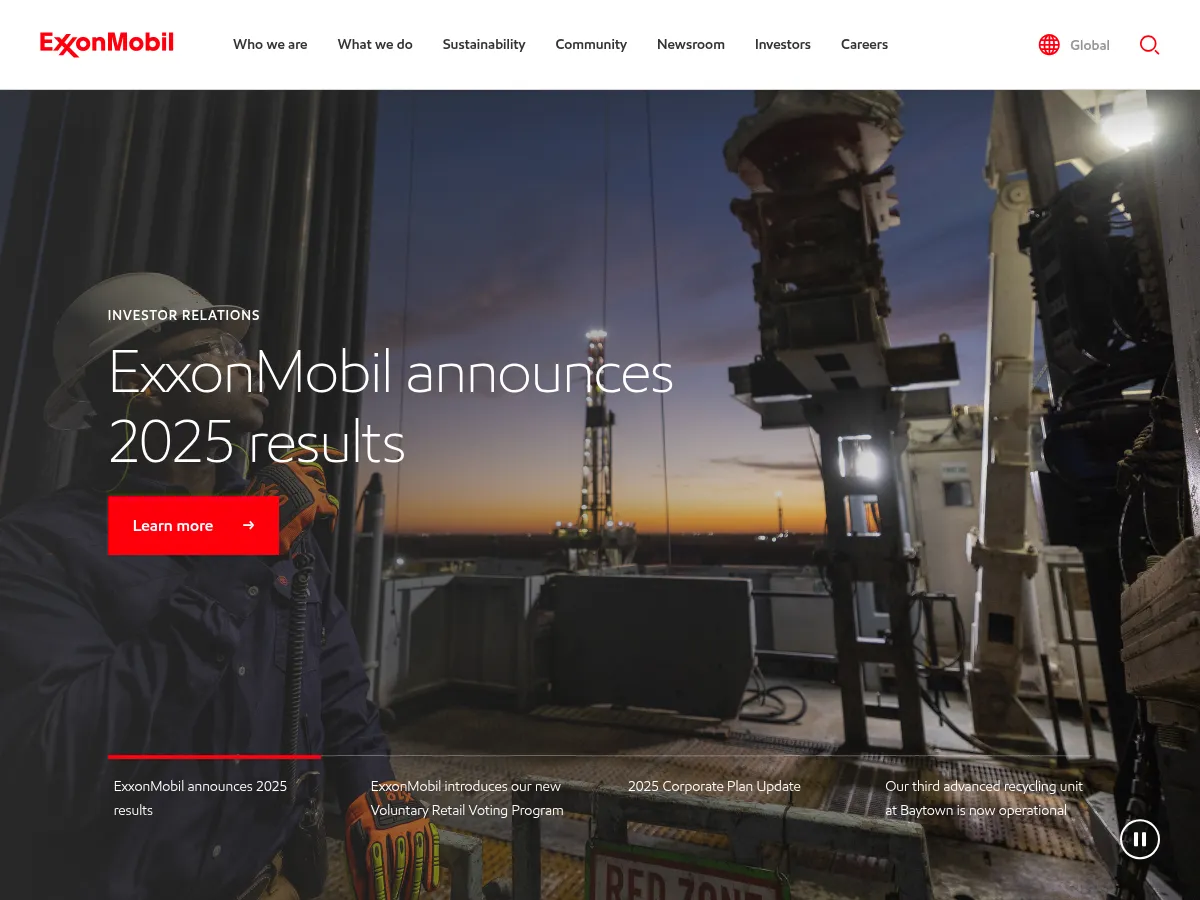
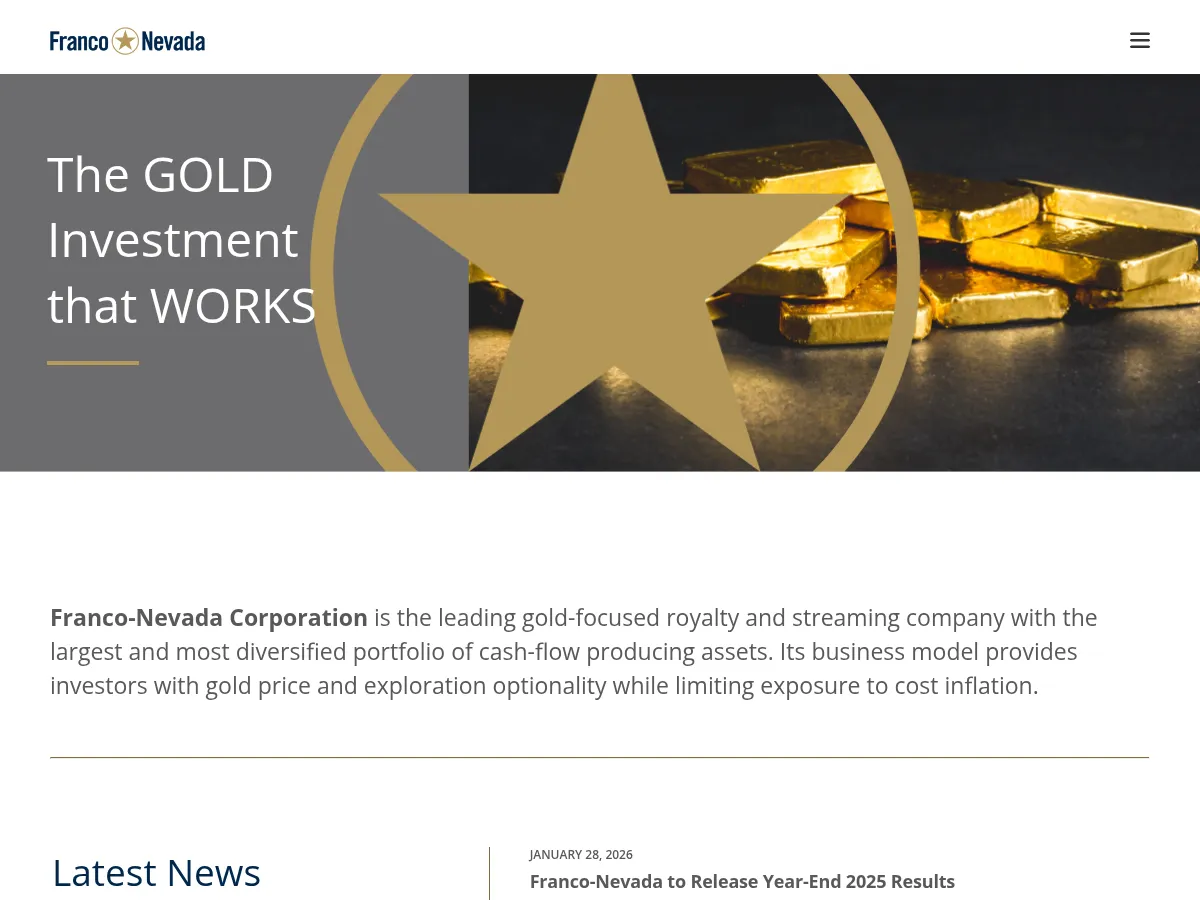
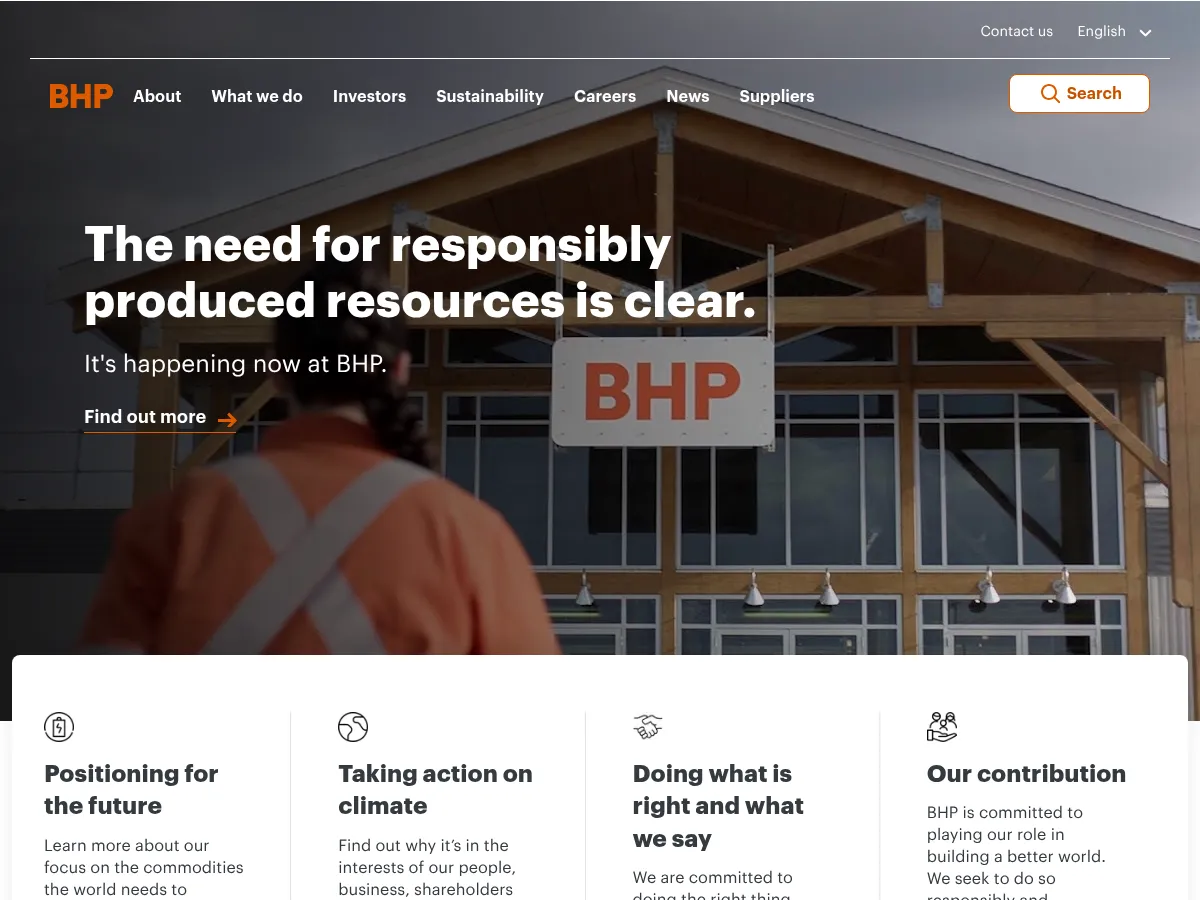
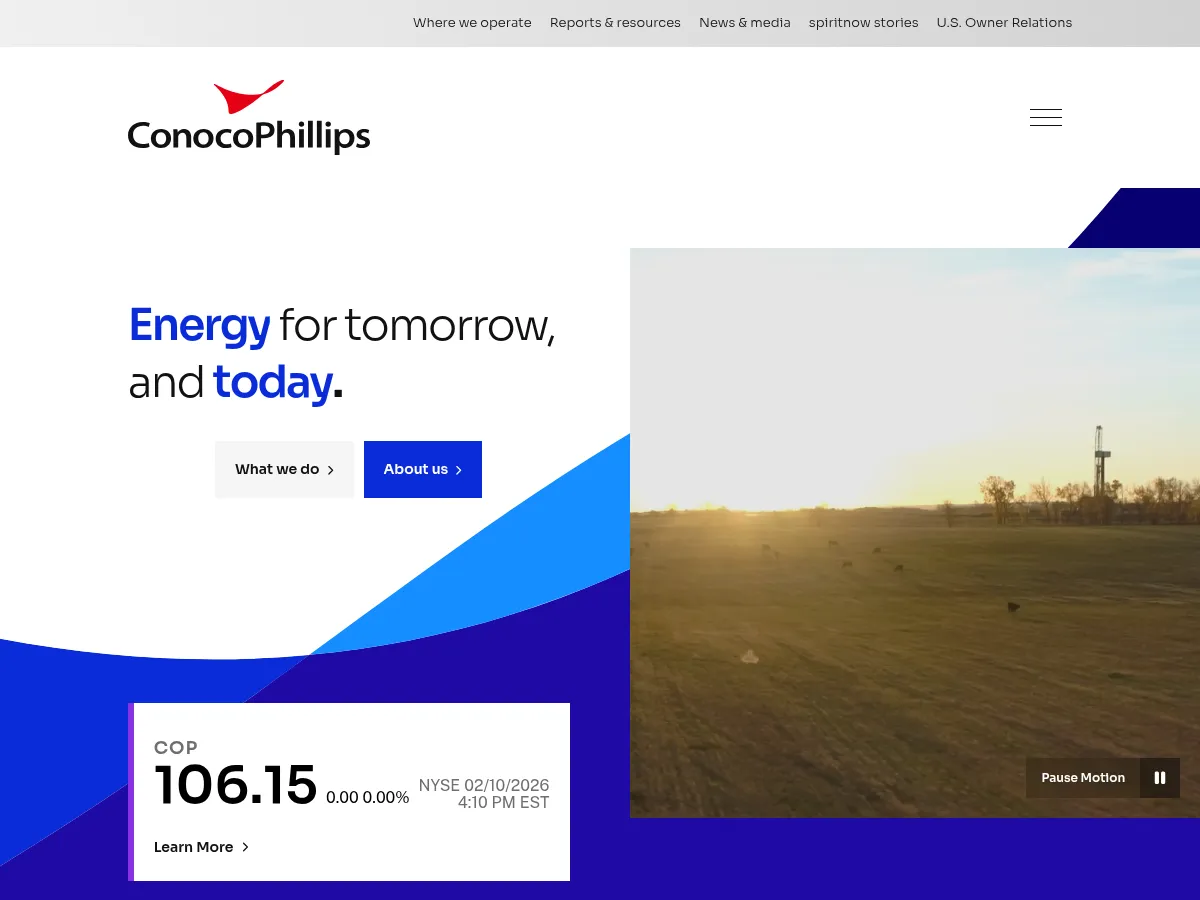
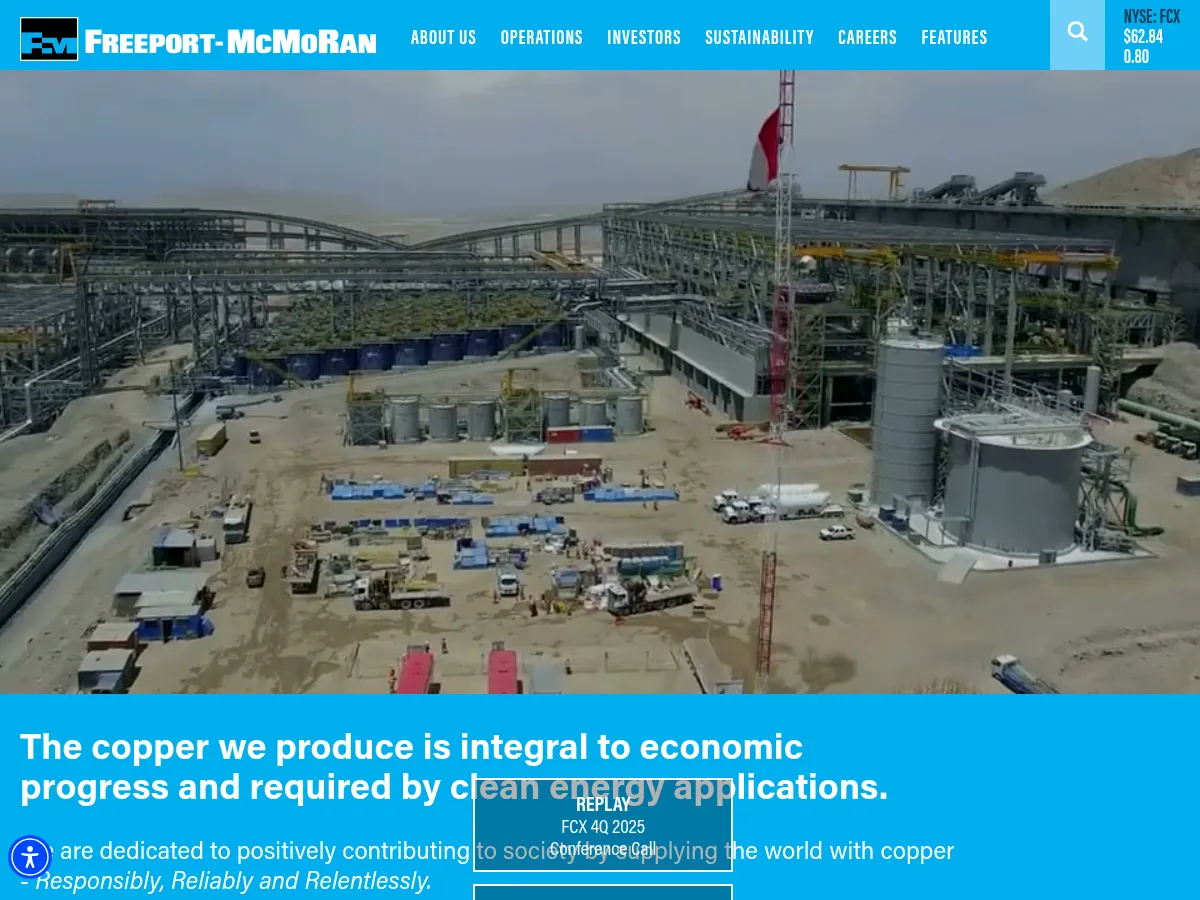
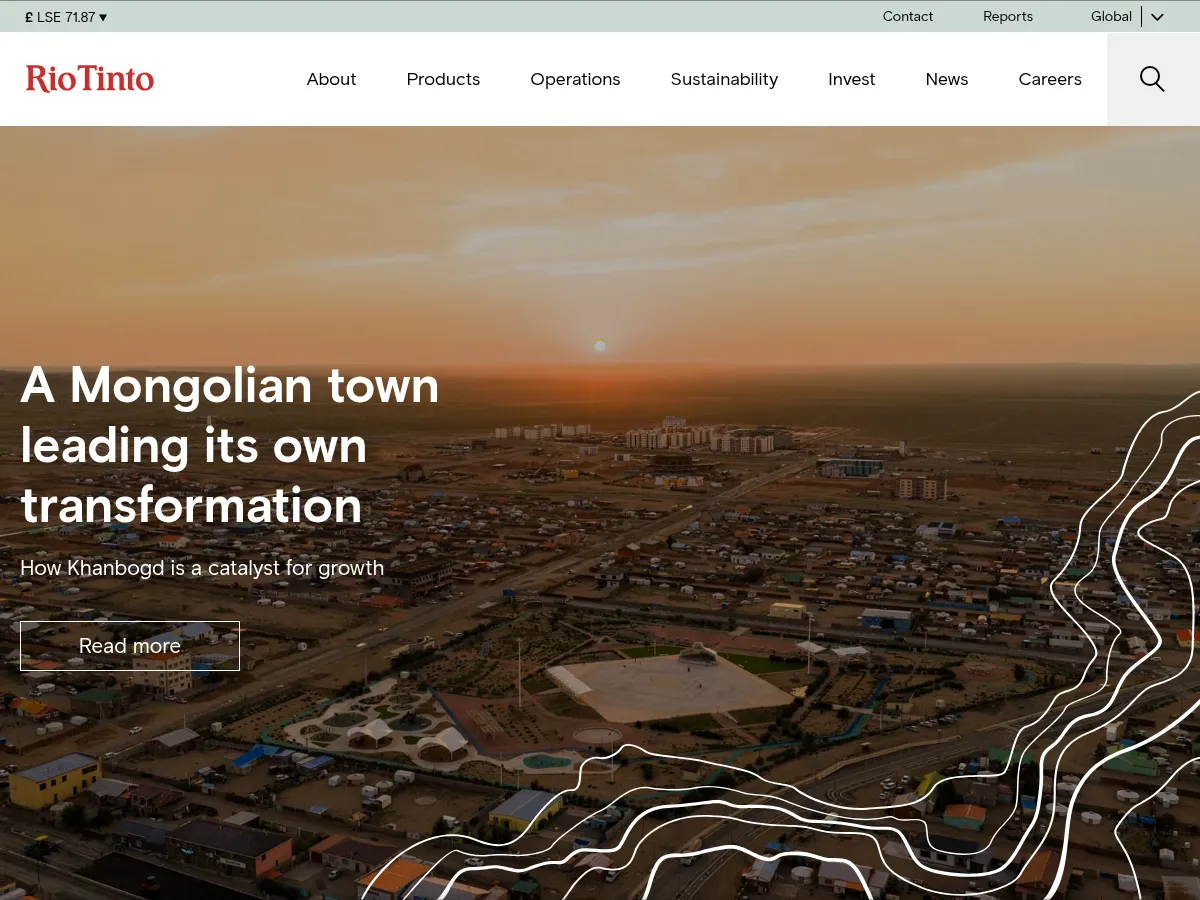
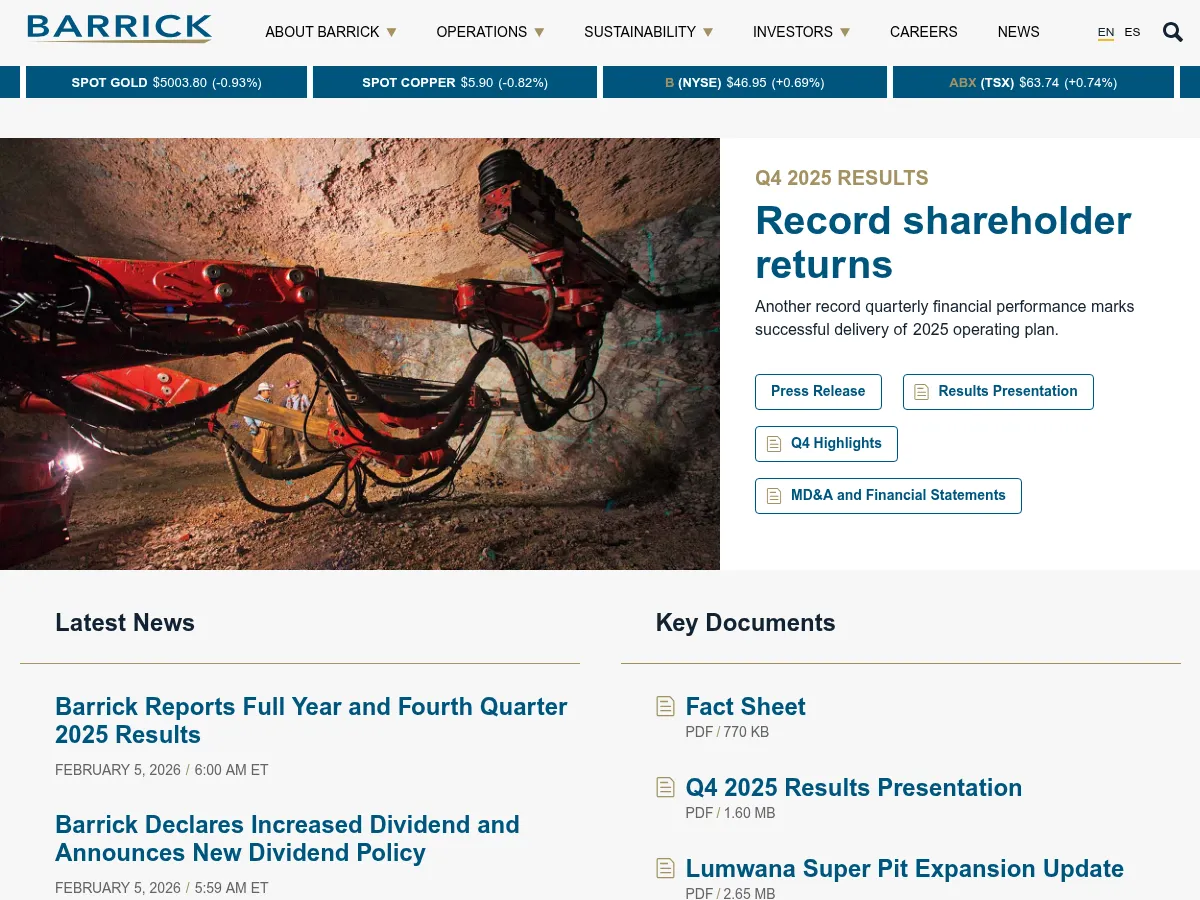
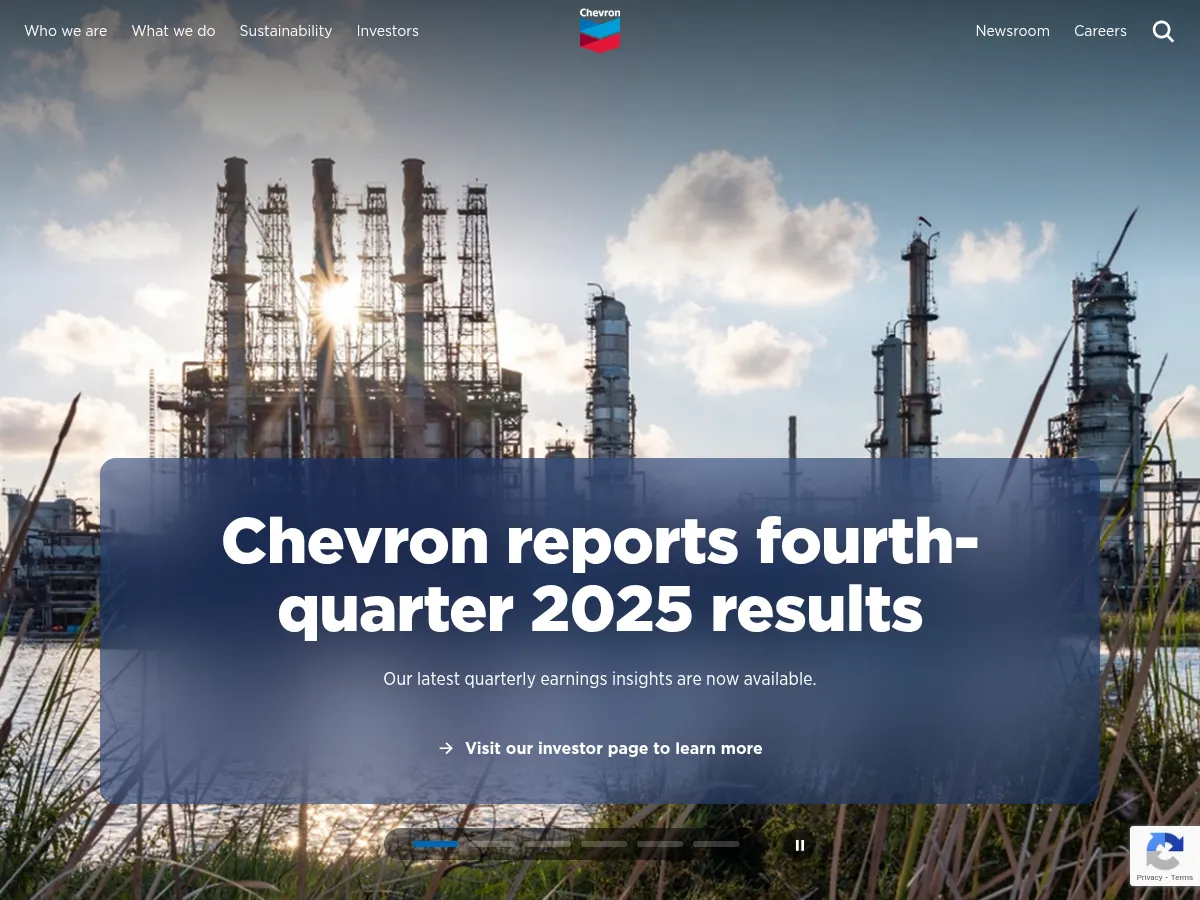
Newmont Corporation 1 4.7 Newmont Corporation NEM $125.80 +6.50% P/E: 14.7 2 reviews Newmont is the world's largest gold mining company by production volume, operating mines across multiple continents and offering direct exposure to gold price movements. ExxonMobil 2 4.6 ExxonMobil XOM $148.45 -0.99% P/E: 21.2 2 reviews ExxonMobil is the largest Western oil and gas company with integrated operations spanning upstream production, refining, and chemicals, offering investors premier fossil fuel commodity exposure. Franco-Nevada 3 4.6 Franco-Nevada FNV $252.18 +5.33% P/E: 44.1 2 reviews Franco-Nevada is the leading gold-focused royalty and streaming company, offering leveraged exposure to gold prices without the operational risks of direct mining. BHP Group 4 4.5 BHP Group BHP $73.38 +0.85% P/E: 7.1 1 review BHP produces copper, iron ore, nickel, and metallurgical coal across global operations, providing broad-based commodity exposure through the world's largest diversified mining company. ConocoPhillips 5 4.5 ConocoPhillips COP $111.43 +0.54% P/E: 20.8 2 reviews ConocoPhillips is the world's largest independent E&P company, focused exclusively on upstream oil and gas operations with a low-cost asset base and strong shareholder return program. Freeport-McMoRan 6 4.5 Freeport-McMoRan FCX $62.84 +1.29% P/E: 16.9 1 review Freeport-McMoRan is the top publicly traded copper miner with major operations across Indonesia and the Americas, providing direct exposure to the critical electrification metal. Rio Tinto 7 4.5 Rio Tinto RIO $98.07 +0.16% P/E: 8.6 1 review Rio Tinto is one of the world's largest mining companies, producing iron ore, aluminum, copper, and minerals across global operations as a core commodity investment. Barrick Gold 8 4.3 Barrick Gold GOLD $60.91 +5.56% P/E: 41.4 2 reviews Barrick Gold operates a portfolio of tier-one gold and copper mines worldwide, offering investors direct exposure to precious metals as a hedge against inflation and currency debasement. Chevron 9 4.3 Chevron CVX $183.74 +0.73% P/E: 22.9 2 reviews Chevron is one of the world's largest integrated energy companies with major upstream and downstream operations, offering investors exposure to oil and gas commodity cycles with strong capital returns. Glencore 10 4.3 Glencore GLNCY $13.49 +0.52% P/E: 2.5 1 review Glencore is one of the world's largest diversified commodity trading and mining companies, operating across metals, minerals, and energy with integrated trading and production capabilities. Southern Copper 11 4.2 Southern Copper SCCO $198.00 +0.08% P/E: 34.1 1 review Southern Copper is one of the world's largest integrated copper producers with the industry's largest reserve base, providing commodity exposure across copper, zinc, and silver. SQM 12 4.2 SQM SQM $70.91 +1.14% P/E: 20.9 2 reviews SQM is a Chilean global leader in lithium production, extracting from the Atacama Desert's brine deposits to supply the EV battery supply chain alongside potassium and iodine operations. Teck Resources 13 4.2 Teck Resources TECK $58.91 +0.58% P/E: 25.4 1 review Teck Resources is transitioning into a pure-play copper miner after divesting steelmaking coal, offering commodity investors focused exposure to copper demand growth from electrification. Vale SA 14 4.2 Vale SA VALE $16.65 -2.29% P/E: 6.5 1 review Vale is a Brazilian mining giant and one of the world's largest producers of iron ore and nickel, providing critical commodity exposure to the global steel and EV battery supply chains. Archer-Daniels-Midland 15 4.0 Archer-Daniels-Midland ADM $69.51 +0.01% P/E: 20.3 2 reviews ADM is one of the world's largest agricultural processors and commodity traders, providing investors exposure to global grain, oilseed, and food ingredient markets. Albemarle Corporation 16 3.6 Albemarle Corporation ALB $166.35 +4.67% 2 reviews Albemarle is the world's largest lithium producer, giving investors direct commodity exposure to the critical battery material driving the electric vehicle revolution.

Latest from Otrai

How to Backtest a Trading Strategy: Methods, Pitfalls, and What the Results Actually Mean

How to Backtest a Trading Strategy: Methods, Pitfalls, and What the Results Actually Mean

Every trader has a strategy that looks great in their head. Backtesting is how you find out whether it actually works. Here is how to test strategies properly, what metrics matter, and why most backtest results are too good to be true.
Risk-Reward Ratios: How to Set Targets That Make Your Strategy Profitable

Risk-Reward Ratios: How to Set Targets That Make Your Strategy Profitable

A risk-reward ratio compares how much you stand to lose on a trade to how much you stand to gain. It is arguably the most important number in your trading plan, because it determines whether your strategy can survive a normal losing streak.

Trading the News: How Economic Events Move Forex and What to Do About It

Trading the News: How Economic Events Move Forex and What to Do About It

Every month, a handful of economic data releases move the forex market more in five minutes than most sessions move in five days. Non-Farm Payrolls, CPI prints, and central bank rate decisions create violent spikes, whipsaws, and trend shifts that can make or break a trading account.

What Is a CFD? How Contracts for Difference Work and When to Use Them

What Is a CFD? How Contracts for Difference Work and When to Use Them

A CFD is a contract between you and your broker to exchange the difference in an asset's price from when you open the trade to when you close it. You never own the underlying asset. That single distinction shapes everything about how CFDs work, what they cost, and why regulators treat them differently from traditional investing.