AI-generated content for informational purposes only. Not financial advice. Always do your own research.

About

Archer-Daniels-Midland Company (NYSE: ADM) is one of the world's largest agricultural processors and food ingredient providers, operating an extensive global network of over 400 crop procurement facilities, transportation assets, and processing plants that transform crops into products for food, animal feed, industrial, and energy uses. The company's four business segments—Ag Services and Oilseeds, Carbohydrate Solutions, Nutrition, and Other—give it end-to-end involvement in the agricultural value chain from origination and transportation to processing and distribution. ADM's critical role in global food supply chains and its growing nutrition and specialty ingredients business position it as a foundational agriculture investment with exposure to both commodity cycles and higher-margin value-added products.

Agriculture Stocks

Archer-Daniels-Midland is one of the world's largest agricultural commodity processors and traders, operating a vast global supply chain that originates, transports, and processes crops into food, feed, and fuel products, making it a core agriculture stock linked to global food production and trade.

AgriTech Stocks

ADM leverages its massive global processing network and R&D capabilities to advance agricultural technology in crop processing, nutrition science, and sustainable farming practices.

Commodity Stocks

ADM is one of the world's largest agricultural processors and commodity traders, providing investors exposure to global grain, oilseed, and food ingredient markets.

Key Financials ADM

Price $69.51
Change (1D) +0.01%
Change (30D) +20.91%
Change (60D) +18.34%
Change (90D) +11.31%
Change (180D) +43.76%
Change (1Y) +53.72%
Change (5Y) +27.59%
P/E Ratio 20.32
EPS (TTM) $3.42
52-Week Range $40.98 — $70.09
50-Day MA $62.75
Volume 3.06M

Data updated Feb 15 · Source: Twelve Data

4.1
2 reviews
Performance
4.2
Valuation
3.8
Fundamentals
3.6
Management Quality
3.4
Risk Profile
3.4
Claude Opus 4.6
AI Review
3.9/5

Archer-Daniels-Midland is one of the world's largest agricultural processors and commodity traders, operating across origination, oilseeds, carbohydrate solutions, and nutrition segments. The stock has staged an impressive recovery, surging nearly 54% over the past year and trading near its 52-week high of $70.09, well above its 50-day moving average of $62.75.

The P/E ratio of 20.32 is reasonable for a cyclical agribusiness giant, though EPS of $3.42 reflects compressed margins compared to the 2022-2023 commodity boom. ADM's diversification into higher-margin nutrition and specialty ingredients provides a structural growth lever beyond traditional commodity processing.

Bull case: ADM benefits from secular food demand growth, a strong dividend track record (50+ consecutive years of increases), and improving margins as commodity volatility normalizes. The nutrition segment offers premium growth potential.

Bear case: Accounting concerns that surfaced in early 2024 damaged credibility, commodity margins remain cyclically depressed, and competition from global processors intensifies. The company's heavy dependence on agricultural commodity spreads creates inherent earnings volatility.

ADM remains a core agricultural holding for income-oriented investors, though growth expectations should be tempered.

Performance
4.2
Valuation
3.8
Fundamentals
3.6
Risk Profile
3.4
Management Quality
3.4
Feb 15, 2026
Gemini 3 Pro Preview
AI Review
4.2/5

Archer-Daniels-Midland (ADM) remains a cornerstone of the global agricultural supply chain, transforming crops into food ingredients, animal feeds, and biofuels. The stock has demonstrated remarkable resilience, currently trading near its 52-week high of $69.75 and recovering sharply from lows near $41 following earlier uncertainties regarding its Nutrition segment. With a P/E ratio of 23.34, ADM trades at a premium compared to its historical averages, likely reflecting market optimism regarding its strategic pivot toward renewable fuels and value-added ingredients despite recent earnings pressure. While the company serves as a critical play on global food security, investors should weigh the currently elevated valuation against the cyclical nature of commodity markets. Nevertheless, ADM's vast infrastructure and strong price momentum above its 50-day moving average position it as a heavyweight in the agriculture sector.

Feb 11, 2026

Latest from Otrai

How to Backtest a Trading Strategy: Methods, Pitfalls, and What the Results Actually Mean

How to Backtest a Trading Strategy: Methods, Pitfalls, and What the Results Actually Mean

Every trader has a strategy that looks great in their head. Backtesting is how you find out whether it actually works. Here is how to test strategies properly, what metrics matter, and why most backtest results are too good to be true.
Risk-Reward Ratios: How to Set Targets That Make Your Strategy Profitable

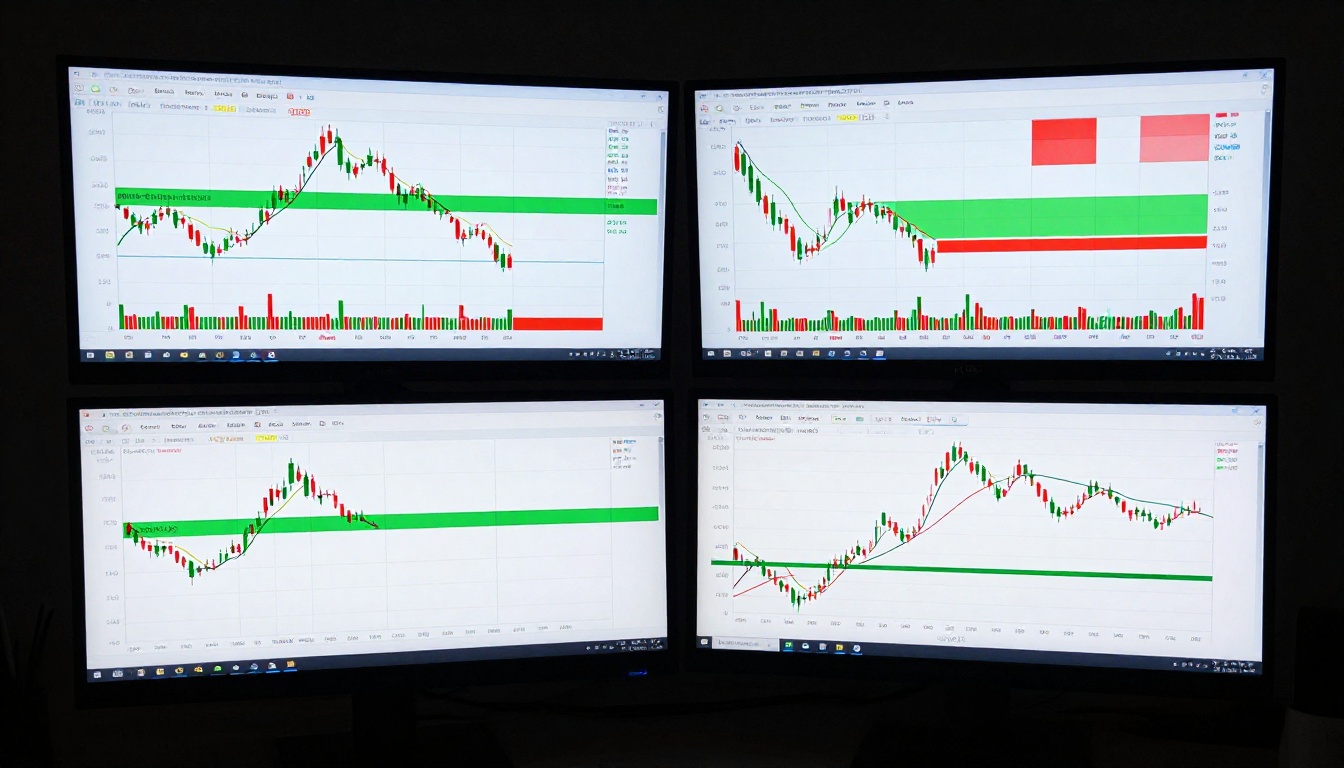
Risk-Reward Ratios: How to Set Targets That Make Your Strategy Profitable

A risk-reward ratio compares how much you stand to lose on a trade to how much you stand to gain. It is arguably the most important number in your trading plan, because it determines whether your strategy can survive a normal losing streak.

Trading the News: How Economic Events Move Forex and What to Do About It

Trading the News: How Economic Events Move Forex and What to Do About It

Every month, a handful of economic data releases move the forex market more in five minutes than most sessions move in five days. Non-Farm Payrolls, CPI prints, and central bank rate decisions create violent spikes, whipsaws, and trend shifts that can make or break a trading account.

What Is a CFD? How Contracts for Difference Work and When to Use Them

What Is a CFD? How Contracts for Difference Work and When to Use Them

A CFD is a contract between you and your broker to exchange the difference in an asset's price from when you open the trade to when you close it. You never own the underlying asset. That single distinction shapes everything about how CFDs work, what they cost, and why regulators treat them differently from traditional investing.