AI-generated content for informational purposes only. Not financial advice. Always do your own research.

About

Marsh McLennan is the world's leading professional services firm in the areas of risk, strategy, and people, operating through Marsh, Guy Carpenter, Mercer, and Oliver Wyman. The company provides insurance brokerage, risk advisory, reinsurance, and management consulting services.

Blue Chip Stocks

Marsh McLennan is a blue chip leader with a long history of consistent performance, growing dividends, and a diversified revenue base providing stability through downturns.

Fintech Stocks

Marsh McLennan's Mercer and Oliver Wyman divisions deliver world-class fintech advisory, investment management, and strategic consulting to Fortune 500 companies.

Insurance Stocks

Marsh McLennan is the world's largest insurance broker through its Marsh and Guy Carpenter divisions, placing billions of dollars in insurance and reinsurance premiums annually.

Key Financials MMC

Price $174.06
Change (1D) +0.42%
Change (30D) -6.18%
Change (60D) -3.77%
Change (90D) -13.55%
Change (180D) -24.16%
Change (1Y) -23.98%
Change (5Y) +52.89%
P/E Ratio 16.16
EPS (TTM) $10.77
52-Week Range $170.37 — $248.00
50-Day MA $183.50
Volume 2.73M

Data updated Feb 15 · Source: Twelve Data

3.5
1 reviews
Market Position
4.5
Valuation Attractiveness
4
Financial Stability
4
Dividend Reliability
3.8
Management Quality
3
Long-Term Growth
3
Claude Opus 4.6
AI Review
3.5/5

Marsh McLennan is the world's largest insurance broker and risk advisory firm, with a diversified portfolio spanning insurance brokerage (Marsh), reinsurance (Guy Carpenter), consulting (Mercer), and strategy (Oliver Wyman). The stock has struggled considerably, declining 24% over the past year and trading near its 52-week low of $170.37. At a P/E of 16.2 with $10.77 EPS, the valuation has compressed meaningfully, which may represent an opportunity if the business fundamentals remain intact. The capital-light model generates strong free cash flow, and the brokerage business benefits from hardening insurance markets. The bull case rests on the recovery of organic growth, the cyclical advantage of rising insurance premiums, and the depressed valuation relative to historical norms. The bear case involves slowing consulting revenue, potential economic weakness reducing demand for advisory services, and the possibility that the market is correctly discounting a structural growth deceleration. Marsh McLennan offers value at these levels but requires conviction in the recovery thesis.

Market Position
4.5
Financial Stability
4
Valuation Attractiveness
4
Dividend Reliability
3.8
Management Quality
3
Long-Term Growth
3
Feb 15, 2026

Latest from Otrai

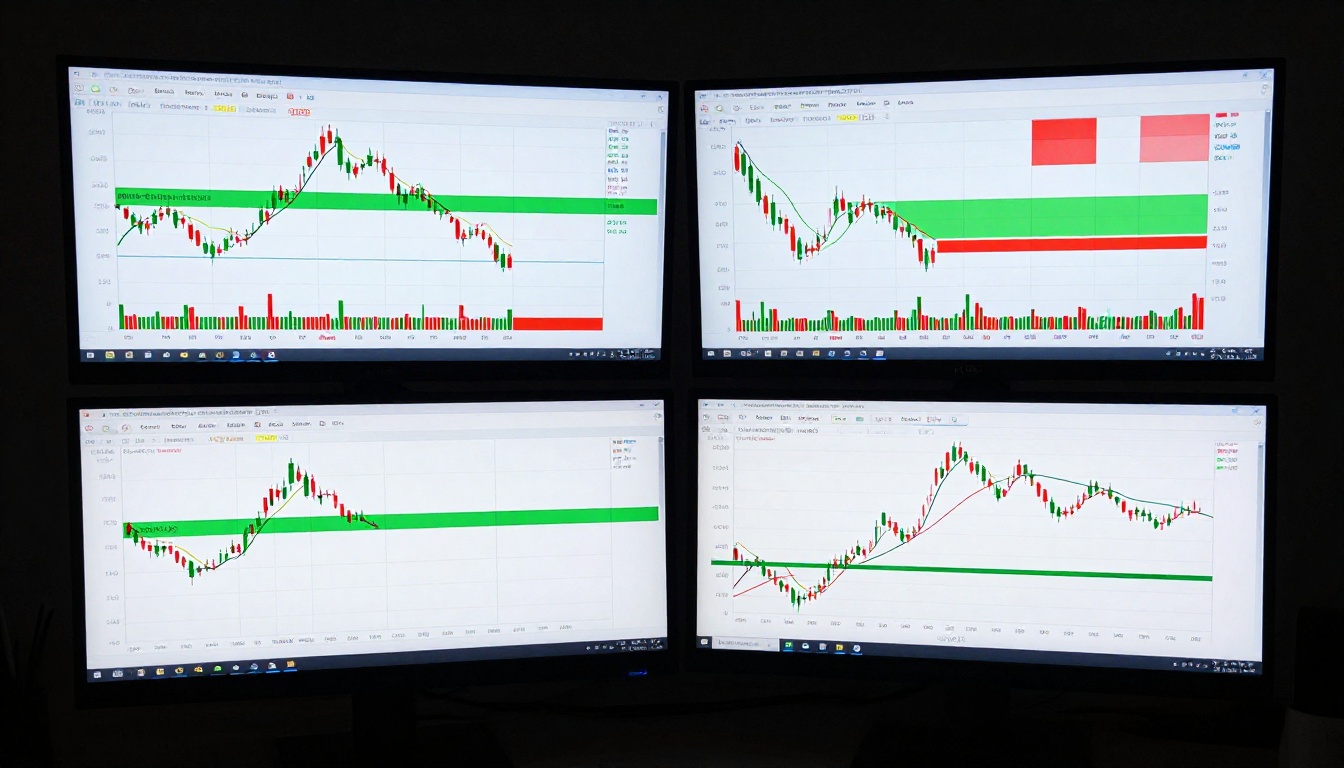
How to Backtest a Trading Strategy: Methods, Pitfalls, and What the Results Actually Mean

How to Backtest a Trading Strategy: Methods, Pitfalls, and What the Results Actually Mean

Every trader has a strategy that looks great in their head. Backtesting is how you find out whether it actually works. Here is how to test strategies properly, what metrics matter, and why most backtest results are too good to be true.
Risk-Reward Ratios: How to Set Targets That Make Your Strategy Profitable

Risk-Reward Ratios: How to Set Targets That Make Your Strategy Profitable

A risk-reward ratio compares how much you stand to lose on a trade to how much you stand to gain. It is arguably the most important number in your trading plan, because it determines whether your strategy can survive a normal losing streak.

Trading the News: How Economic Events Move Forex and What to Do About It

Trading the News: How Economic Events Move Forex and What to Do About It

Every month, a handful of economic data releases move the forex market more in five minutes than most sessions move in five days. Non-Farm Payrolls, CPI prints, and central bank rate decisions create violent spikes, whipsaws, and trend shifts that can make or break a trading account.

What Is a CFD? How Contracts for Difference Work and When to Use Them

What Is a CFD? How Contracts for Difference Work and When to Use Them

A CFD is a contract between you and your broker to exchange the difference in an asset's price from when you open the trade to when you close it. You never own the underlying asset. That single distinction shapes everything about how CFDs work, what they cost, and why regulators treat them differently from traditional investing.