AI-generated content for informational purposes only. Not financial advice. Always do your own research.

Insurance Stocks - Directory w/ AI Reviews

Insurance companies collect premiums and invest the float, profiting when claims are lower than expected and returns on investments are strong. Progressive and Allstate are major US property and casualty insurers, while MetLife operates across life insurance, annuities, and employee benefits. The sector is navigating rising climate-related claims in home and auto insurance, alongside higher investment income from elevated interest rates.

Progressive Corporation 1 4.4 Progressive Corporation PGR $204.53 -0.45% P/E: 16.2 2 reviews Progressive is a high-growth insurance stock that has consistently gained market share in U.S. personal and commercial auto insurance. Its data-driven underwriting, direct sales model, and industry-leading combined ratios make it a favorite among investors seeking growth within the insurance sector. Allstate 2 4.3 Allstate ALL $207.51 +0.46% P/E: 7.1 2 reviews Allstate is a top-tier insurance stock focused primarily on personal lines property and casualty coverage, including auto and homeowners insurance. Its scale, brand recognition, and ability to adjust pricing in response to claims trends make it a core holding in the insurance stock category. MetLife 3 4.2 MetLife MET $77.31 -0.06% P/E: 8.8 2 reviews MetLife is a globally diversified insurance stock with leadership in both life insurance and employee benefits. Its extensive international presence and scale in group benefits differentiate it from domestic-focused insurers, offering investors broad exposure to global insurance demand. Oscar Health 4 3.2 Oscar Health OSCR 1 review Oscar Health is a technology-driven health insurer using virtual care, digital tools, and data analytics to modernize the health insurance experience for individual and small group markets. Lemonade 5 2.9 Lemonade LMND 3 reviews Lemonade is an AI-powered insurance company using behavioral economics and technology to streamline policy issuance and claims, targeting younger demographics with a modern digital experience. Root Inc 6 2.8 Root Inc ROOT 1 review Root is a technology-driven auto insurer using telematics and data science to price policies based on actual driving behavior, aiming to improve accuracy and fairness in auto insurance pricing. Hippo Holdings 7 2.3 Hippo Holdings HIPO 1 review Hippo is a home insurance technology company using smart home devices and data analytics to proactively prevent losses while modernizing the homeowners insurance experience.

Latest from Otrai

How to Backtest a Trading Strategy: Methods, Pitfalls, and What the Results Actually Mean

How to Backtest a Trading Strategy: Methods, Pitfalls, and What the Results Actually Mean

Every trader has a strategy that looks great in their head. Backtesting is how you find out whether it actually works. Here is how to test strategies properly, what metrics matter, and why most backtest results are too good to be true.
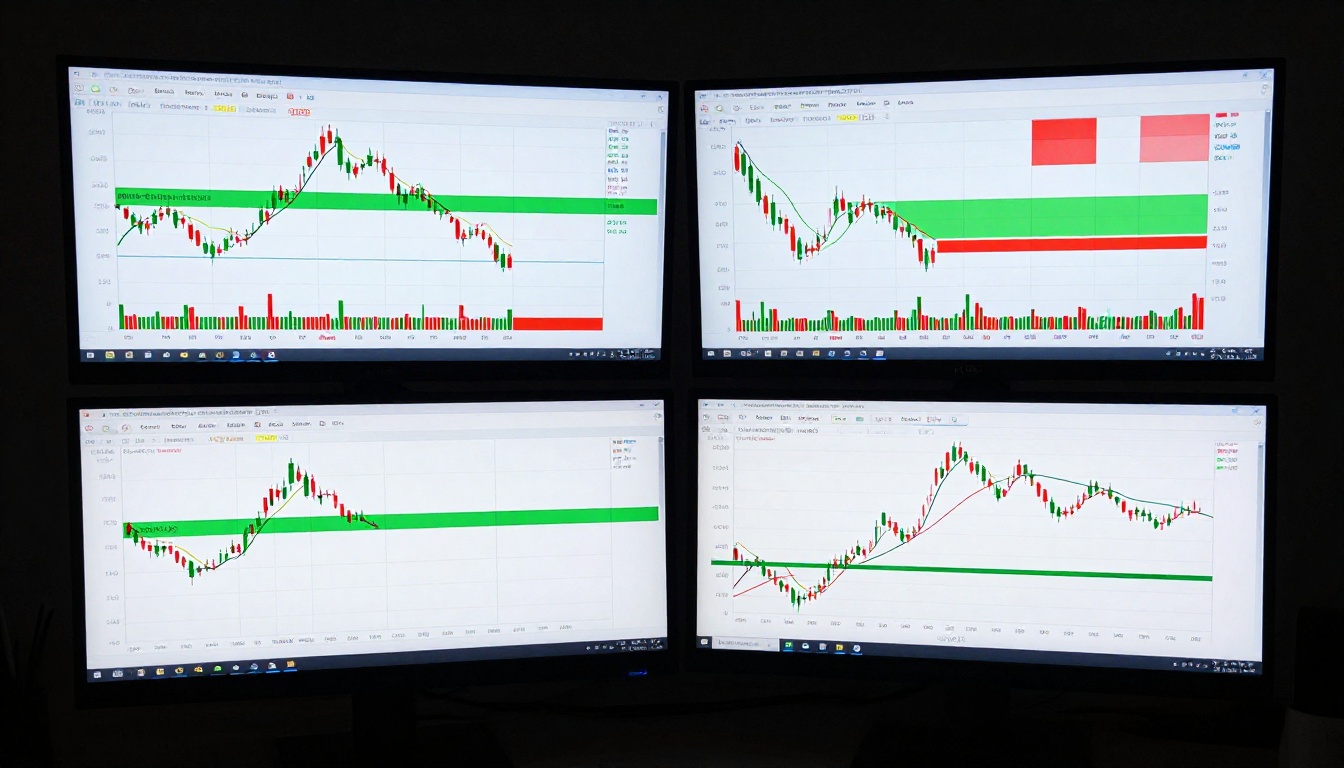

Risk-Reward Ratios: How to Set Targets That Make Your Strategy Profitable

Risk-Reward Ratios: How to Set Targets That Make Your Strategy Profitable

A risk-reward ratio compares how much you stand to lose on a trade to how much you stand to gain. It is arguably the most important number in your trading plan, because it determines whether your strategy can survive a normal losing streak.

Trading the News: How Economic Events Move Forex and What to Do About It

Trading the News: How Economic Events Move Forex and What to Do About It

Every month, a handful of economic data releases move the forex market more in five minutes than most sessions move in five days. Non-Farm Payrolls, CPI prints, and central bank rate decisions create violent spikes, whipsaws, and trend shifts that can make or break a trading account.

What Is a CFD? How Contracts for Difference Work and When to Use Them

What Is a CFD? How Contracts for Difference Work and When to Use Them

A CFD is a contract between you and your broker to exchange the difference in an asset's price from when you open the trade to when you close it. You never own the underlying asset. That single distinction shapes everything about how CFDs work, what they cost, and why regulators treat them differently from traditional investing.