AI-generated content for informational purposes only. Not financial advice. Always do your own research.

AgriTech Stocks - Directory w/ AI Reviews

Precision agriculture is transforming how the world grows food, using data, sensors, and automation to maximize yield while reducing inputs. Companies like Deere & Company are embedding AI and GPS technology into tractors and harvesters, while Bayer AG and Corteva develop genetically optimized seeds and targeted crop chemistry. AgriTech stocks sit at the intersection of food security and innovation, appealing to investors focused on long-term global trends.

Deere & Company 1 4.7 Deere & Company DE $602.92 +0.80% P/E: 72.5 2 reviews Deere is the world's largest agricultural machinery manufacturer, leading the industry's precision agriculture revolution with autonomous tractors, AI-driven crop management, and smart farming technology. Corteva Agriscience 2 4.3 Corteva Agriscience CTVA $75.03 +1.24% P/E: 24.4 2 reviews Corteva is a pure-play agriculture company and leading global provider of seed and crop protection products, spun off from DowDuPont to focus on agricultural innovation and productivity. Lindsay Corporation 3 4.3 Lindsay Corporation LNN 1 review Mosa Meat is a pioneering cultivated meat company developing lab-grown beef, representing a speculative investment in the future of sustainable protein production without traditional animal farming. FMC Corporation 4 3.6 FMC Corporation FMC 1 review FMC is advancing agricultural technology through biological crop protection and precision application systems, complementing its traditional chemical insecticide and herbicide portfolio. Bayer AG 5 3.5 Bayer AG BAYRY 1 review Bayer's Crop Science division, bolstered by the Monsanto acquisition, is a global leader in seeds, crop protection, and digital farming technologies driving agricultural innovation. Archer-Daniels-Midland 6 3.4 Archer-Daniels-Midland ADM $69.51 +0.01% P/E: 20.3 2 reviews ADM leverages its massive global processing network and R&D capabilities to advance agricultural technology in crop processing, nutrition science, and sustainable farming practices. The Scotts Miracle-Gro 7 3.4 The Scotts Miracle-Gro SMG 1 review Scotts Miracle-Gro is the world's largest marketer of branded consumer lawn and garden products, with investments in hydroponics and indoor growing through its Hawthorne subsidiary. AppHarvest 8 1.5 AppHarvest APPH 1 review AppHarvest is building large-scale indoor farms using AI, robotics, and 90% less water than traditional agriculture, representing a high-risk, high-reward play on sustainable food production.

Latest from Otrai

How to Backtest a Trading Strategy: Methods, Pitfalls, and What the Results Actually Mean

How to Backtest a Trading Strategy: Methods, Pitfalls, and What the Results Actually Mean

Every trader has a strategy that looks great in their head. Backtesting is how you find out whether it actually works. Here is how to test strategies properly, what metrics matter, and why most backtest results are too good to be true.
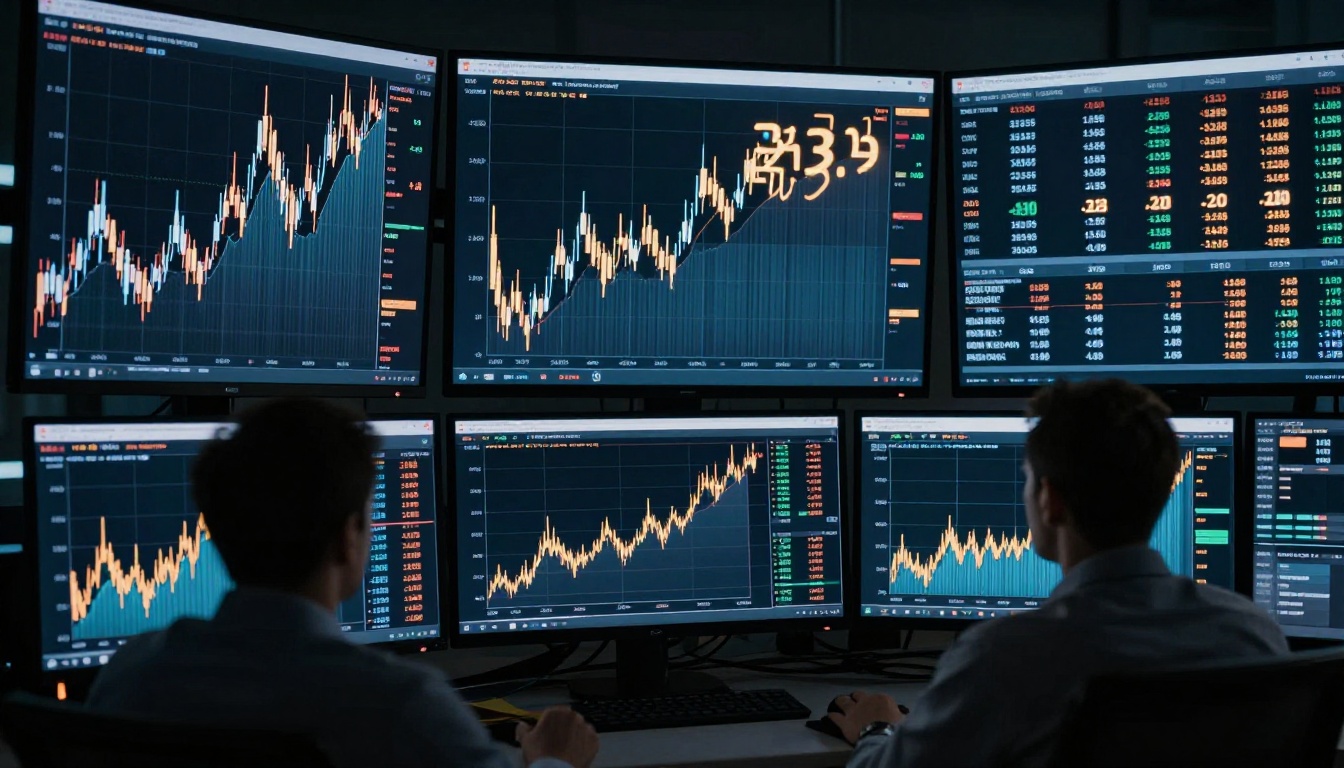
Risk-Reward Ratios: How to Set Targets That Make Your Strategy Profitable

Risk-Reward Ratios: How to Set Targets That Make Your Strategy Profitable

A risk-reward ratio compares how much you stand to lose on a trade to how much you stand to gain. It is arguably the most important number in your trading plan, because it determines whether your strategy can survive a normal losing streak.

Trading the News: How Economic Events Move Forex and What to Do About It

Trading the News: How Economic Events Move Forex and What to Do About It

Every month, a handful of economic data releases move the forex market more in five minutes than most sessions move in five days. Non-Farm Payrolls, CPI prints, and central bank rate decisions create violent spikes, whipsaws, and trend shifts that can make or break a trading account.

What Is a CFD? How Contracts for Difference Work and When to Use Them

What Is a CFD? How Contracts for Difference Work and When to Use Them

A CFD is a contract between you and your broker to exchange the difference in an asset's price from when you open the trade to when you close it. You never own the underlying asset. That single distinction shapes everything about how CFDs work, what they cost, and why regulators treat them differently from traditional investing.