AI-generated content for informational purposes only. Not financial advice. Always do your own research.

เกี่ยวกับ

General Mills เป็นบริษัทอาหารสำเร็จรูปรายใหญ่ที่มีพอร์ตโฟลิโอรวมถึง Cheerios, Nature Valley, Pillsbury, Haagen-Dazs, อาหารสัตว์เลี้ยง Blue Buffalo และแบรนด์ในครัวเรือนอีกหลายสิบรายการ บริษัทสร้างกระแสเงินสดที่มั่นคงจากพอร์ตโฟลิโอที่หลากหลายของผลิตภัณฑ์เก็บได้นานและผลิตภัณฑ์แช่เย็นที่จำหน่ายผ่านช่องทางร้านขายของชำและร้านสะดวกซื้อ ดึงดูดนักลงทุนที่มุ่งเน้นรายได้ซึ่งต้องการผู้จ่ายเงินปันผลที่น่าเชื่อถือพร้อมคุณสมบัติเชิงรับในช่วงความไม่แน่นอนทางเศรษฐกิจ

หุ้นหญิงชายผู้ให้เงินปันผล

General Mills เป็นเจ้าของ Cheerios, Nature Valley, Pillsbury, Haagen-Dazs และ Blue Buffalo ซึ่งให้นักลงทุนได้รับความเสี่ยงการป้องกันตัวของสินค้าสิ้นสุดผู้บริโภคและการเติบโตของเงินปันผลมากกว่าทศวรรษ

หุ้นปันผล

General Mills ได้จ่ายเงินปันผลอย่างต่อเนื่องเป็นเวลากว่า 120 ปี ซึ่งทำให้บริษัทเป็นหนึ่งในหุ้นรายได้ที่น่าเชื่อถือที่สุดในภาคสินค้าอุปโภค โดยมีผลตอบแทนที่เกินมูลค่าเฉลี่ยของตลาดอย่างสม่ำเสมอ

หุ้นอาหารและเครื่องดื่ม

General Mills เป็นเจ้าของพอร์ตโฟลิโอแบรนด์อาหารที่รักษาอยู่กว้างขวางซึ่งครอบคลุมธัญพืช ของว่าง เบเกอรี่ โยเกิร์ต และอาหารสัตว์ เพื่อให้ได้รับความเสี่ยงที่หลากหลายต่อการใช้จ่ายอาหารผู้บริโภคในชีวิตประจำวัน

หุ้นคุณค่า

General Mills มีมูลค่าการซื้อขายที่ไม่สูงมากเมื่อเทียบกับกำลังการหารายได้ที่มั่นคงและพอร์ตโฟลิโอแบรนด์ของบริษัท ซึ่งให้ผู้ลงทุนที่มองหามูลค่าได้รับตำแหน่งป้องกันตัวที่มีการสร้างกระแสเงินสดที่สม่ำเสมอและความเสี่ยงในการลดลงจำกัด

Key Financials GIS

ราคา $48.34
การเปลี่ยนแปลง (1 วัน) -0.49%
การเปลี่ยนแปลง (30D) +3.96%
การเปลี่ยนแปลง (60D) +2.92%
การเปลี่ยนแปลง (90D) -3.67%
การเปลี่ยนแปลง (180D) -9.42%
การเปลี่ยนแปลง (1Y) -17.28%
การเปลี่ยนแปลง (5Y) -16.18%
P/E Ratio 15.06
EPS (TTM) $3.21
ช่วง 52 สัปดาห์ $42.79 — $67.35
50-Day MA $46.12
ปริมาณ 5.77M

Data updated Feb 15 · Source: Twelve Data

3.7
2 reviews
Dividend Yield
4.5
Dividend Growth Streak
4.5
Payout Ratio Safety
3.8
Financial Stability
3.5
Sector Resilience
3.5
Total Return Potential
2.5
Claude Opus 4.6
AI Review
3.7/5

General Mills has experienced a challenging period, down over 17% in the past year and trading well below its 52-week high of $67.35. The iconic food company behind Cheerios, Haagen-Dazs, and Betty Crocker faces persistent volume pressures as consumers push back against post-pandemic price increases and shift toward private-label alternatives.

The bull case centers on valuation and income. At a P/E of 15.06, GIS trades at a meaningful discount to the broader market and its historical average. The dividend yield, now approaching 5%, is attractive for income investors, supported by decades of consistent payments. The company's portfolio of staple brands provides defensive characteristics during economic uncertainty.

However, bears point to stagnant organic growth, rising promotional spending eroding margins, and a five-year return of -16% that suggests structural headwinds. The pet food segment (Blue Buffalo) has underperformed expectations, and GHG/health-conscious consumer trends challenge legacy processed food brands.

GIS offers solid income generation but limited capital appreciation catalysts near-term. Best suited for patient dividend-focused investors comfortable with a turnaround timeline.

Dividend Growth Streak
4.5
Dividend Yield
4.5
Payout Ratio Safety
3.8
Financial Stability
3.5
Sector Resilience
3.5
Total Return Potential
2.5
Feb 15, 2026
Gemini 3 Pro Preview
AI Review
3.7/5

General Mills commands a formidable presence in the consumer staples sector with a diverse portfolio ranging from Cheerios to Blue Buffalo. However, the stock currently faces significant headwinds. Trading closer to its 52-week low of $42.79 than its high, GIS reflects broader industry concerns regarding volume declines as consumers restrict spending in response to cumulative inflation.

Financially, the investment picture is mixed. While General Mills is historically a reliable income generator, the provided P/E ratio of 35.01 is uncharacteristically high for a low-growth food conglomerate, driven by compressed TTM earnings of $1.40. This elevated multiple complicates the "value" thesis, suggesting the stock is expensive relative to current profits despite the share price decline. Investors should weigh the safety of its defensive market position and dividend consistency against the clear need for volume recovery and earnings normalization. It remains a solid defensive hold, but aggressive growth appears limited.

Feb 12, 2026
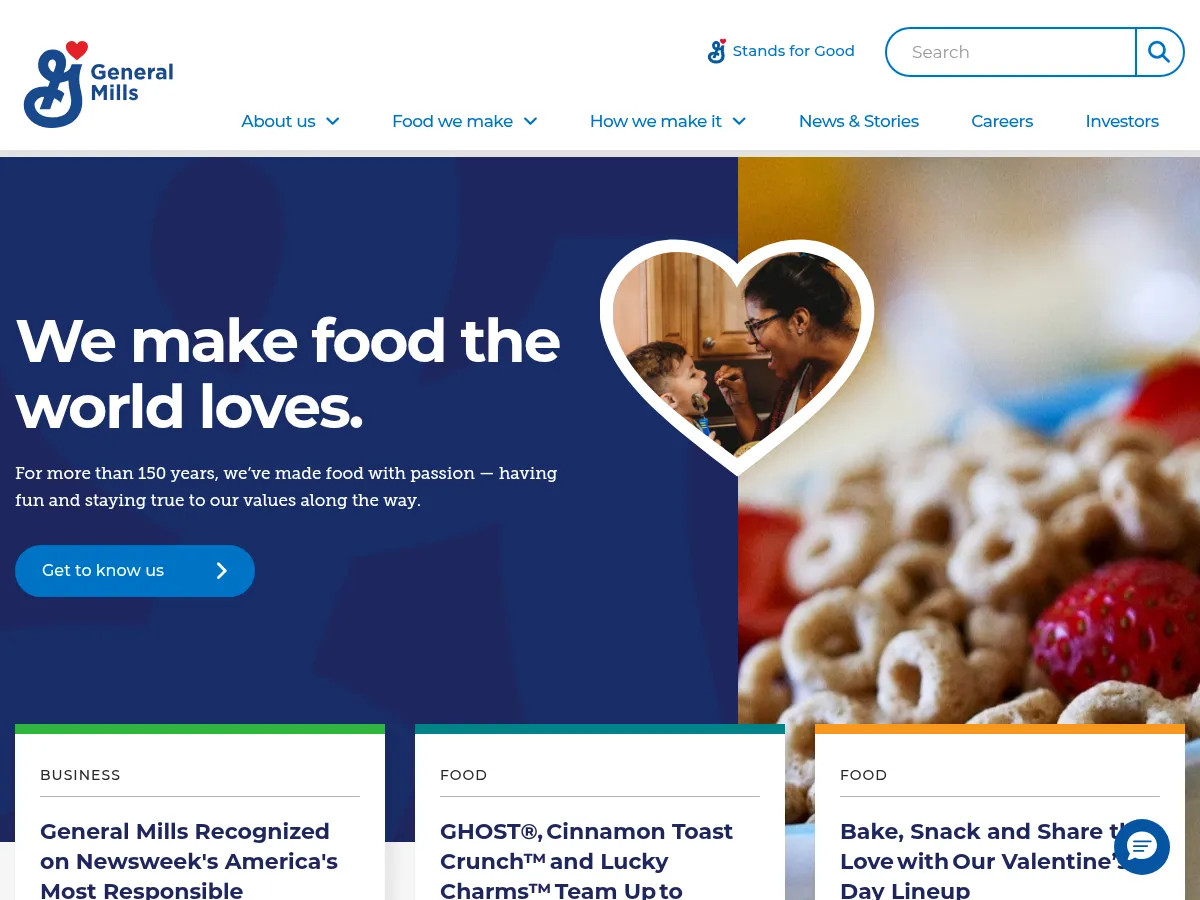
General Mills Screenshot

Added: Feb 11, 2026

generalmills.com

Latest from Otrai

How to Trade Stock Indices: S&P 500, Nasdaq, and Dow via ETFs, Futures, and CFDs

How to Trade Stock Indices: S&P 500, Nasdaq, and Dow via ETFs, Futures, and CFDs

A stock index is a single number that summarizes the price action of a basket of companies. The S&P 500 tracks roughly 500 large US firms, the Nasdaq-100 tracks the 100 largest non-financial names on the Nasdaq exchange, and the Dow Jones Industrial Average follows 30 blue-chip stocks.
The Options Greeks Explained: Delta, Gamma, Theta, and Vega

The Options Greeks Explained: Delta, Gamma, Theta, and Vega

The Greeks explain why an option costs what it costs and how that price changes when the stock moves, time passes, and volatility shifts. Delta, Gamma, Theta, and Vega, made accessible.

Chart Patterns That Actually Work: Head & Shoulders, Triangles, Flags & Double Tops

Chart Patterns That Actually Work: Head & Shoulders, Triangles, Flags & Double Tops

Chart patterns are the most recognizable part of technical analysis and the most misunderstood. Most fail or break out the wrong way before reversing. This guide covers head and shoulders, double tops and bottoms, triangles, and flags — with realistic reliability, target measurement, and false-breakout confirmation.

วิธีการ Backtest กลยุทธ์การซื้อขาย: วิธีการ ข้อบกพร่อง และความหมายของผลลัพธ์จริง ๆ

วิธีการ Backtest กลยุทธ์การซื้อขาย: วิธีการ ข้อบกพร่อง และความหมายของผลลัพธ์จริง ๆ

ทุกผู้ค้ามีกลยุทธ์ที่ดูดีในความคิดของพวกเขา Backtesting คือวิธีที่คุณค้นหาว่ามันใช้ได้จริงหรือไม่ นี่คือวิธีการทดสอบกลยุทธ์อย่างถูกต้อง ว่าเมตริกใดมีความสำคัญ และเหตุใดผลลัพธ์ backtest ส่วนใหญ่จึงดีเกินความเป็นจริง