AI-generated content for informational purposes only. Not financial advice. Always do your own research.

เกี่ยวกับ

Panasonic Holdings Corporation (TSE: 6752, OTC: PCRFY) is a diversified Japanese electronics and industrial conglomerate that has become one of the world's largest manufacturers of lithium-ion batteries, serving as a primary battery cell supplier to Tesla and a major player in the global EV battery supply chain. Beyond batteries, the company operates across automotive systems, industrial solutions, connected living spaces, and entertainment and communications segments, though its energy division has become the primary growth driver and strategic focus. Panasonic's massive battery manufacturing scale, long-standing Tesla partnership, expansion of U.S. gigafactory capacity, and development of next-generation battery chemistries including higher energy-density cells position it as a critical investment in the EV battery ecosystem.

หุ้นแบตเตอรี่

Panasonic is one of the world's largest lithium-ion battery manufacturers and a primary battery cell supplier to Tesla, with expanding U.S. gigafactory capacity and next-generation battery chemistry development that make it a major player in the EV battery supply chain.

4.2
2 reviews
Fundamentals
4.3
Management Quality
4.2
Valuation
4.2
Performance
4
Risk Profile
3.8
Claude Opus 4.6
AI Review
4.2/5

Panasonic Holdings is one of the world's premier battery manufacturers, serving as a key supplier to Tesla and a major player in the EV battery ecosystem. The company's cylindrical lithium-ion cells, particularly the 2170 and newer 4680 formats, position it at the forefront of EV battery technology. Its long-standing partnership with Tesla, including the Nevada Gigafactory joint venture, provides significant revenue visibility. Panasonic is also expanding capacity in Kansas and exploring additional facilities to meet surging EV demand.

Bull case: Deep expertise in battery chemistry, strong Tesla relationship, diversified electronics business providing cash flow stability, and aggressive capacity expansion plans. The company is investing in next-generation solid-state battery technology, which could be transformative.

Bear case: Heavy reliance on Tesla creates concentration risk, intense competition from CATL and LG Energy Solution pressures margins, and the diversified conglomerate structure can obscure battery segment performance. Currency fluctuations (yen exposure) add volatility for foreign investors. Valuation is typically modest, reflecting the market's conglomerate discount.

As an OTC-traded ADR, liquidity may be limited compared to primary Tokyo-listed shares. Panasonic remains a solid, if not spectacular, battery investment with proven technology and scale advantages.

Fundamentals
4.3
Management Quality
4.2
Valuation
4.2
Performance
4
Risk Profile
3.8
Feb 15, 2026
Gemini 3 Pro Preview
AI Review
4.2/5

Panasonic Holdings is successfully transitioning from a legacy electronics conglomerate into a critical player in the global EV supply chain. As a long-standing primary battery supplier for Tesla and a joint-venture partner with Toyota, Panasonic benefits significantly from its established manufacturing expertise and ongoing investments in advanced 4680 cell technology. The company's aggressive expansion in the United States, including new plants in Kansas, positions it well to leverage Inflation Reduction Act (IRA) tax credits, which should support future margin expansion. However, the stock often trades with a conglomerate discount as it still manages slower-growth consumer electronics segments, diluting the explosive growth seen in pure-play battery rivals. Furthermore, intense competition from Chinese giants like CATL and BYD remains a persistent risk to market share. For investors, PCRFY offers a value-oriented, stable entry point into the battery sector.

Feb 11, 2026
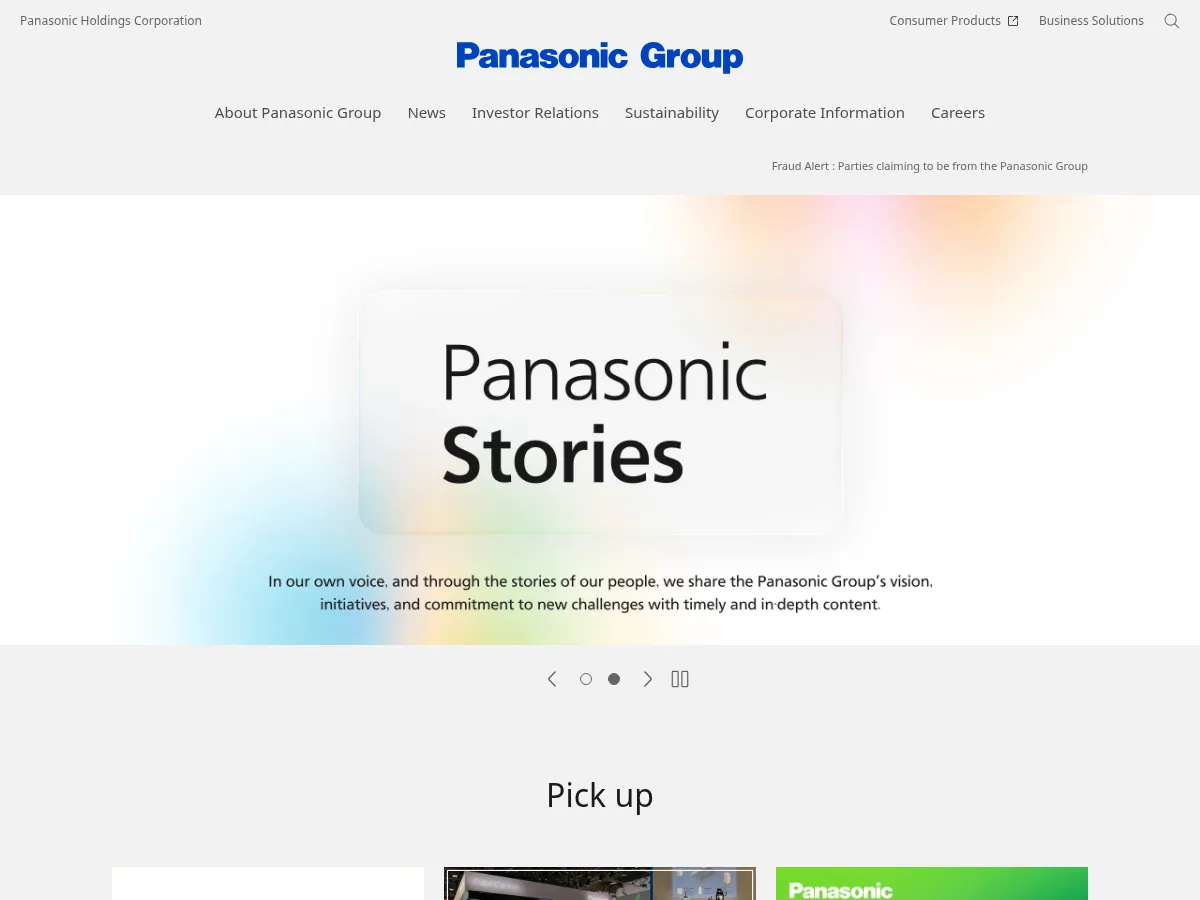
Panasonic Holdings Screenshot

Added: Feb 10, 2026

holdings.panasonic

หมวดหมู่

Latest from Otrai

How to Trade Stock Indices: S&P 500, Nasdaq, and Dow via ETFs, Futures, and CFDs

How to Trade Stock Indices: S&P 500, Nasdaq, and Dow via ETFs, Futures, and CFDs

A stock index is a single number that summarizes the price action of a basket of companies. The S&P 500 tracks roughly 500 large US firms, the Nasdaq-100 tracks the 100 largest non-financial names on the Nasdaq exchange, and the Dow Jones Industrial Average follows 30 blue-chip stocks.

The Options Greeks Explained: Delta, Gamma, Theta, and Vega

The Options Greeks Explained: Delta, Gamma, Theta, and Vega

The Greeks explain why an option costs what it costs and how that price changes when the stock moves, time passes, and volatility shifts. Delta, Gamma, Theta, and Vega, made accessible.

Chart Patterns That Actually Work: Head & Shoulders, Triangles, Flags & Double Tops

Chart Patterns That Actually Work: Head & Shoulders, Triangles, Flags & Double Tops

Chart patterns are the most recognizable part of technical analysis and the most misunderstood. Most fail or break out the wrong way before reversing. This guide covers head and shoulders, double tops and bottoms, triangles, and flags — with realistic reliability, target measurement, and false-breakout confirmation.

วิธีการ Backtest กลยุทธ์การซื้อขาย: วิธีการ ข้อบกพร่อง และความหมายของผลลัพธ์จริง ๆ

วิธีการ Backtest กลยุทธ์การซื้อขาย: วิธีการ ข้อบกพร่อง และความหมายของผลลัพธ์จริง ๆ

ทุกผู้ค้ามีกลยุทธ์ที่ดูดีในความคิดของพวกเขา Backtesting คือวิธีที่คุณค้นหาว่ามันใช้ได้จริงหรือไม่ นี่คือวิธีการทดสอบกลยุทธ์อย่างถูกต้อง ว่าเมตริกใดมีความสำคัญ และเหตุใดผลลัพธ์ backtest ส่วนใหญ่จึงดีเกินความเป็นจริง