AI-generated content for informational purposes only. Not financial advice. Always do your own research.

Japanese Stocks - Directory w/ AI Reviews

Japan is home to some of the world's most innovative and globally competitive companies, from consumer electronics and automotive to industrial robotics and financial services. Toyota is the world's largest automaker by volume, Sony is a diversified entertainment and electronics giant, and Keyence is among the most profitable industrial automation companies ever built. SoftBank's massive venture and tech investment portfolio makes it a unique proxy for global technology trends through a Japanese holding company structure.

Keyence Corporation 1 4.7 Keyence Corporation KYCCF $366.33 -0.92% 1 review Keyence is Japan's most profitable industrial technology company, commanding exceptional margins through its automation sensors and direct sales approach to factory automation solutions. Mitsubishi UFJ Financial 2 4.6 Mitsubishi UFJ Financial MUFG $19.73 +0.66% P/E: 6.2 1 review Keyence is Japan's most valuable technology company, manufacturing advanced automation sensors, machine vision systems, and measurement instruments with industry-leading profit margins. Toyota Motor 3 4.6 Toyota Motor TM $248.29 +2.75% P/E: 13.6 1 review Toyota is Japan's most valuable manufacturer and the world's largest automaker, offering investors exposure to both the global automotive industry and Japan's industrial leadership. Daikin Industries 4 4.4 Daikin Industries DKILY $12.73 +1.92% P/E: 3.4 1 review Daikin is a premier Japanese industrial company and the world's top air conditioning manufacturer, offering exposure to global HVAC demand and climate-driven infrastructure spending. Sony Group 5 4.2 Sony Group SONY $23.19 +1.40% P/E: 16.1 1 review Sony is a premier Japanese company combining global entertainment leadership in gaming, music, and film with semiconductor and electronics capabilities. Nintendo 6 3.6 Nintendo NTDOY $13.72 -0.51% P/E: 18.8 1 review Nintendo is Japan's most iconic gaming company, generating steady profits from its Switch console ecosystem and evergreen franchise IP including Mario, Zelda, and Pokemon. SoftBank Group 7 3.5 SoftBank Group SFTBY $14.60 -6.65% 1 review SoftBank is a Japanese technology investment conglomerate led by Masayoshi Son, operating the massive Vision Fund and holding strategic stakes in global technology and AI companies.

Latest from Otrai

How to Backtest a Trading Strategy: Methods, Pitfalls, and What the Results Actually Mean

How to Backtest a Trading Strategy: Methods, Pitfalls, and What the Results Actually Mean

Every trader has a strategy that looks great in their head. Backtesting is how you find out whether it actually works. Here is how to test strategies properly, what metrics matter, and why most backtest results are too good to be true.

Risk-Reward Ratios: How to Set Targets That Make Your Strategy Profitable

Risk-Reward Ratios: How to Set Targets That Make Your Strategy Profitable

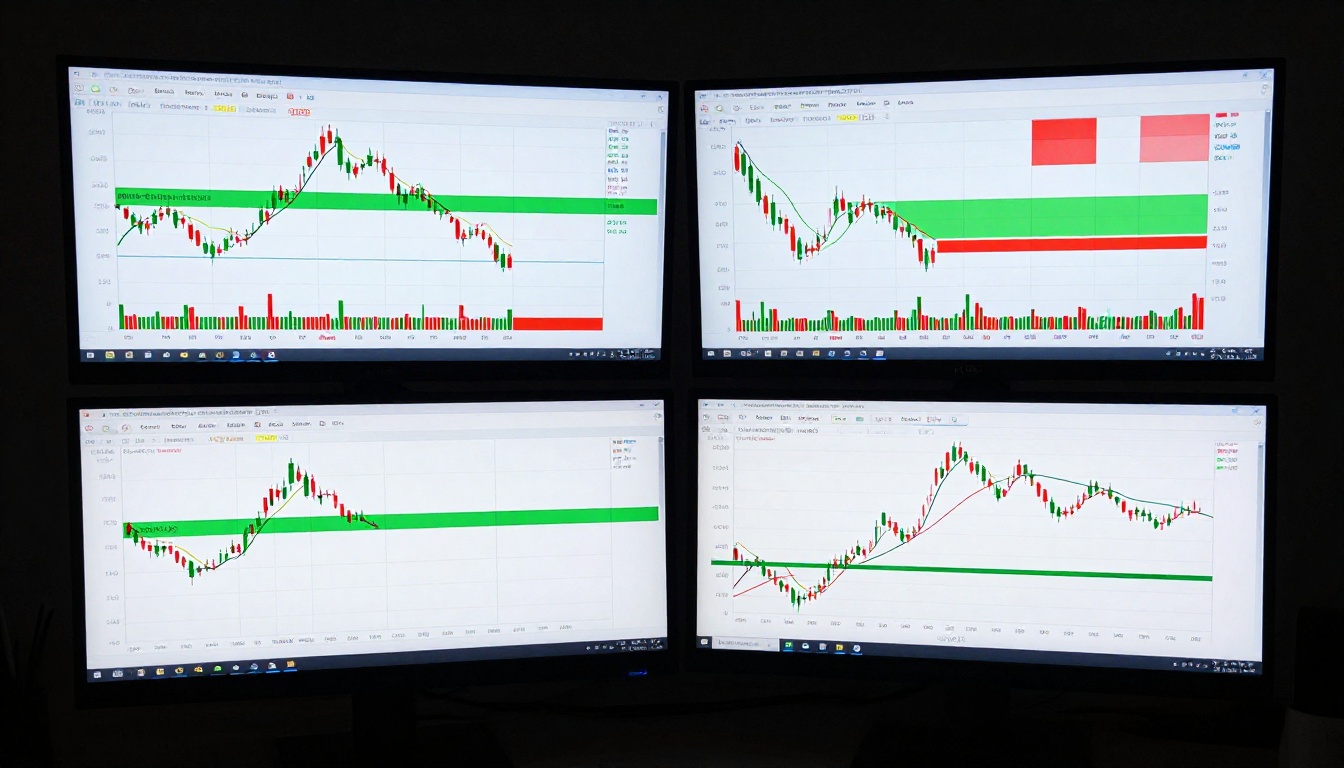
A risk-reward ratio compares how much you stand to lose on a trade to how much you stand to gain. It is arguably the most important number in your trading plan, because it determines whether your strategy can survive a normal losing streak.

Trading the News: How Economic Events Move Forex and What to Do About It

Trading the News: How Economic Events Move Forex and What to Do About It

Every month, a handful of economic data releases move the forex market more in five minutes than most sessions move in five days. Non-Farm Payrolls, CPI prints, and central bank rate decisions create violent spikes, whipsaws, and trend shifts that can make or break a trading account.

What Is a CFD? How Contracts for Difference Work and When to Use Them

What Is a CFD? How Contracts for Difference Work and When to Use Them

A CFD is a contract between you and your broker to exchange the difference in an asset's price from when you open the trade to when you close it. You never own the underlying asset. That single distinction shapes everything about how CFDs work, what they cost, and why regulators treat them differently from traditional investing.