AI-generated content for informational purposes only. Not financial advice. Always do your own research.

About

Japanese automation sensor and measuring instrument maker with industry-leading profit margins exceeding 50%. Factory automation leader.

Industrial Stocks

Keyence is a Japanese factory automation leader manufacturing sensors and measuring instruments with industry-leading profit margins exceeding 50% through its direct sales model.

Japanese Stocks

Keyence is Japan's most profitable industrial technology company, commanding exceptional margins through its automation sensors and direct sales approach to factory automation solutions.

Key Financials KYCCF

Price $366.33
Change (1D) -0.92%
52-Week Range $303.33 — $500.83
Volume 3.0K

Data updated Feb 15 · Source: Twelve Data

4.7
1 reviews
Management Effectiveness
4.9
Financial Stability
4.9
Industry Position
4.8
Growth Prospects
4.5
Dividend Reliability
3.5
Claude Opus 4.6
AI Review
4.7/5

Keyence Corporation is a premier Japanese industrial automation company specializing in sensors, machine vision systems, measuring instruments, and laser markers. The company is widely regarded as one of the best-managed industrial firms globally, boasting operating margins consistently above 50% " extraordinary for the sector. Its fabless manufacturing model and direct sales approach create a highly capital-efficient business with exceptional returns on equity.

The bull case centers on Keyence's dominant position in factory automation, a secular growth trend driven by labor shortages and Industry 4.0 adoption worldwide. Its R&D-driven culture consistently delivers innovative products that command premium pricing. The balance sheet is fortress-like with substantial net cash.

The bear case includes the stock trading well below its 52-week high of $500.83, reflecting concerns about cyclical slowdowns in manufacturing capex and potential yen volatility impacting USD-denominated returns. Valuation remains rich even after the pullback, typically commanding 35-45x earnings. Low OTC volume (3K shares) presents liquidity risk for US-based investors.

Overall, Keyence is a world-class compounder best suited for patient, long-term investors willing to pay a premium for quality.

Financial Stability
4.9
Management Effectiveness
4.9
Industry Position
4.8
Growth Prospects
4.5
Dividend Reliability
3.5
Feb 15, 2026
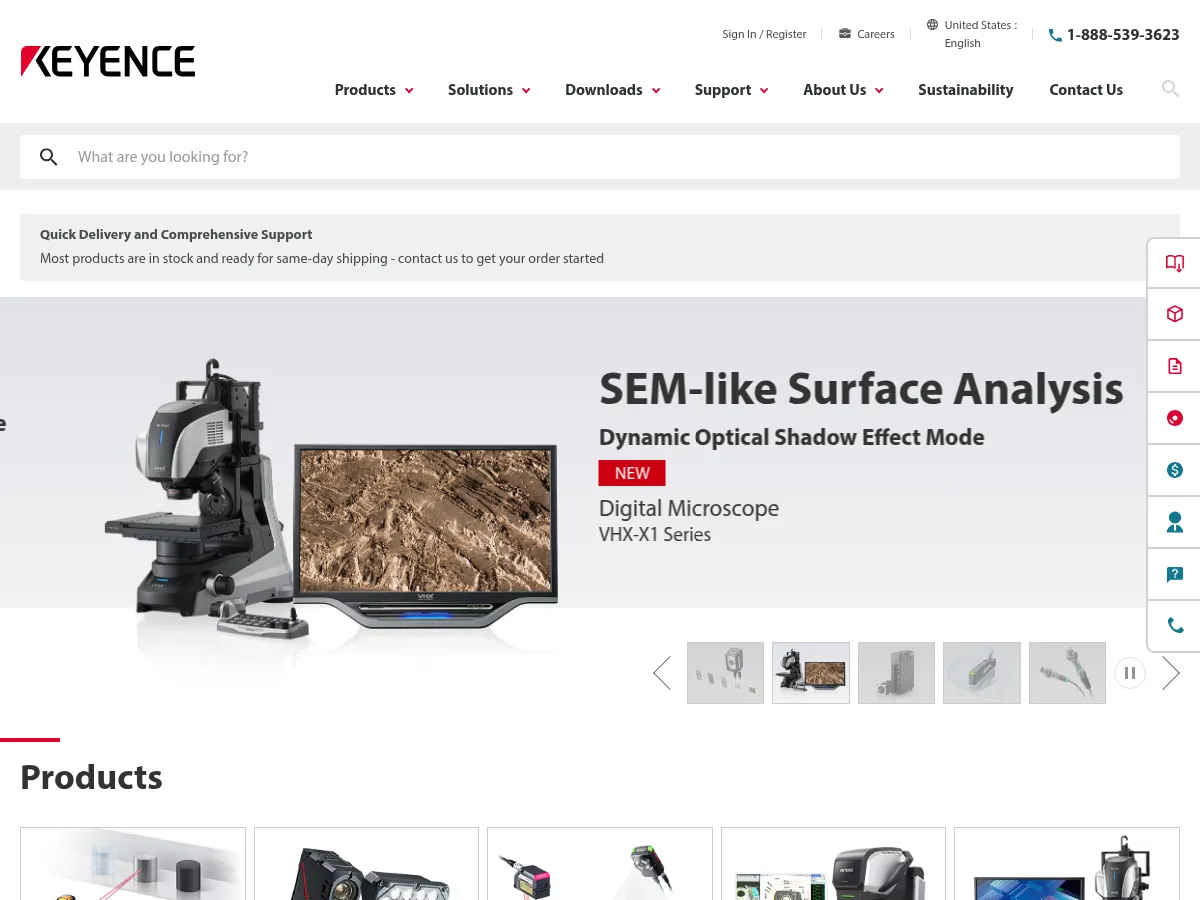
Keyence Corporation Screenshot

Added: Feb 15, 2026

keyence.com

Latest from Otrai

How to Backtest a Trading Strategy: Methods, Pitfalls, and What the Results Actually Mean

How to Backtest a Trading Strategy: Methods, Pitfalls, and What the Results Actually Mean

Every trader has a strategy that looks great in their head. Backtesting is how you find out whether it actually works. Here is how to test strategies properly, what metrics matter, and why most backtest results are too good to be true.

Risk-Reward Ratios: How to Set Targets That Make Your Strategy Profitable

Risk-Reward Ratios: How to Set Targets That Make Your Strategy Profitable

A risk-reward ratio compares how much you stand to lose on a trade to how much you stand to gain. It is arguably the most important number in your trading plan, because it determines whether your strategy can survive a normal losing streak.

Trading the News: How Economic Events Move Forex and What to Do About It

Trading the News: How Economic Events Move Forex and What to Do About It

Every month, a handful of economic data releases move the forex market more in five minutes than most sessions move in five days. Non-Farm Payrolls, CPI prints, and central bank rate decisions create violent spikes, whipsaws, and trend shifts that can make or break a trading account.

What Is a CFD? How Contracts for Difference Work and When to Use Them

What Is a CFD? How Contracts for Difference Work and When to Use Them

A CFD is a contract between you and your broker to exchange the difference in an asset's price from when you open the trade to when you close it. You never own the underlying asset. That single distinction shapes everything about how CFDs work, what they cost, and why regulators treat them differently from traditional investing.