AI-generated content for informational purposes only. Not financial advice. Always do your own research.

Chi siamo

ETF che fornisce una copertura ampia delle quote di carbonio scambiate su mercati del carbonio globali principali tra cui EU ETS, California e RGGI.

Azioni sui crediti di carbonio

KraneShares Global Carbon Strategy ETF fornisce una copertura ampia dei permessi di carbonio da sistemi cap-and-trade dei principali mercati, inclusi EU ETS, California e sistemi RGGI.

Key Financials KRBN

Prezzo $29.74
Variazione (1G) -1.95%
Variazione (30D) -15.99%
Variazione (60D) -11.09%
Variazione (90D) -12.01%
Variazione (180D) +1.92%
Variazione (1Y) -1.72%
Variazione (5Y) +7.50%
Range a 52 settimane $24.90 — $36.50
MA a 50 giorni $34.52
Volume 17.7K

Data updated Feb 15 · Source: Twelve Data

3.4
1 reviews
Management Quality
3.6
Fundamentals
3.4
Valuation
3.2
Performance
2.8
Risk Profile
2.6
Claude Opus 4.6
AI Review
3.4/5

KraneShares Global Carbon Strategy ETF (KRBN) is the premier pure-play carbon credit ETF, offering broad exposure to global carbon allowance futures across the EU ETS, California Cap-and-Trade, RGGI, and UK ETS markets. As the first of its kind, it holds a first-mover advantage in this niche space.

**Bull Case:** Long-term regulatory tailwinds remain strong as governments tighten emissions caps. The global push toward net-zero targets by 2050 should structurally support carbon prices over time. KRBN provides diversified exposure that's difficult to replicate for retail investors.

**Bear Case:** Recent performance is concerning " down nearly 16% over 30 days and trading well below its 50-day MA of $34.52, signaling strong bearish momentum. Carbon prices are highly sensitive to economic slowdowns, energy policy shifts, and political headwinds. The 5-year return of just 7.5% is underwhelming given the volatility endured. Volume at 17.7K suggests limited liquidity.

**Key Risks:** Regulatory uncertainty, economic recession reducing industrial emissions demand, and potential policy rollbacks. The ETF's expense ratio and futures roll costs also create structural drag. Suitable for investors with high conviction in climate policy acceleration and a long time horizon.

Management Quality
3.6
Fundamentals
3.4
Valuation
3.2
Performance
2.8
Risk Profile
2.6
Feb 15, 2026
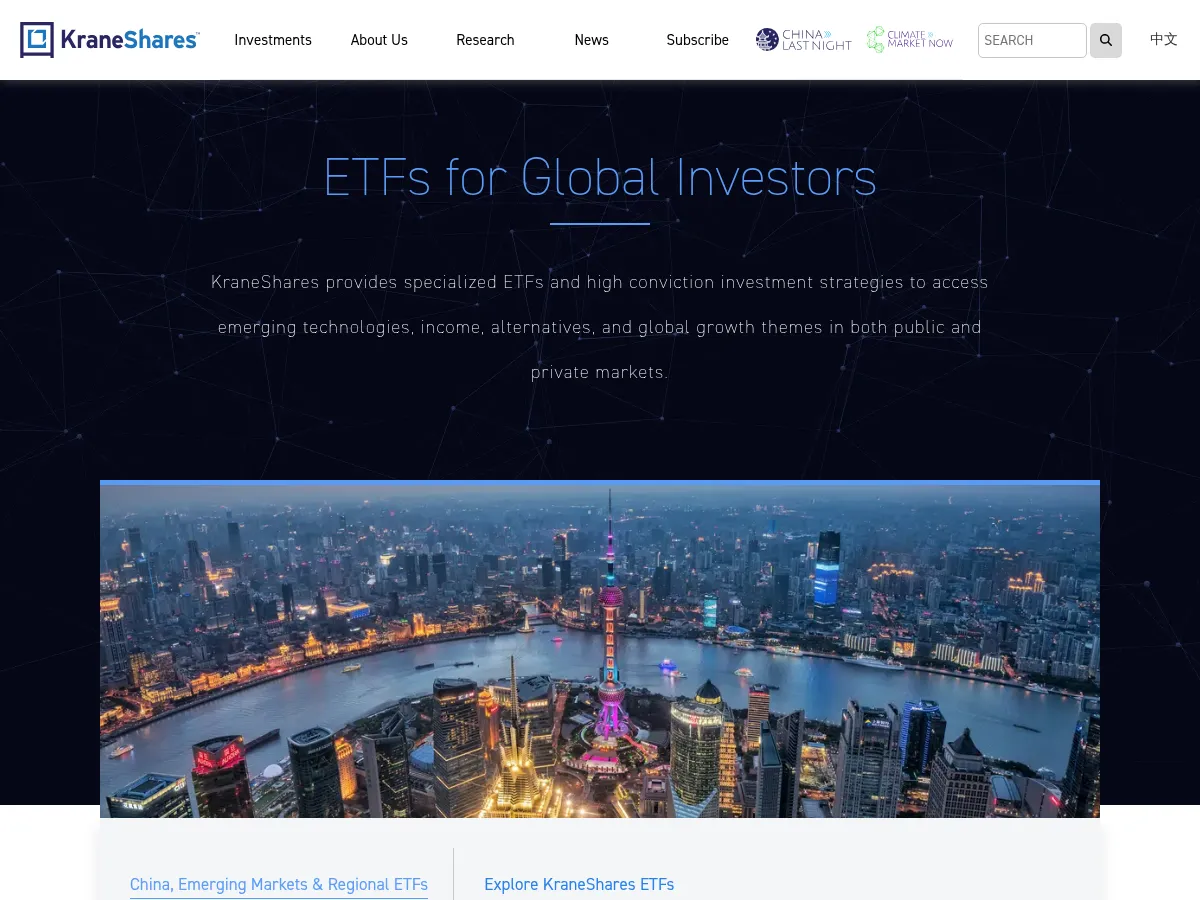
Carbon credits marketplace - KraneShares Global Carbon Strategy ETF Screenshot

Added: Feb 15, 2026

kraneshares.com

Latest from Otrai

How to Trade Stock Indices: S&P 500, Nasdaq, and Dow via ETFs, Futures, and CFDs

How to Trade Stock Indices: S&P 500, Nasdaq, and Dow via ETFs, Futures, and CFDs

A stock index is a single number that summarizes the price action of a basket of companies. The S&P 500 tracks roughly 500 large US firms, the Nasdaq-100 tracks the 100 largest non-financial names on the Nasdaq exchange, and the Dow Jones Industrial Average follows 30 blue-chip stocks.
The Options Greeks Explained: Delta, Gamma, Theta, and Vega

The Options Greeks Explained: Delta, Gamma, Theta, and Vega

The Greeks explain why an option costs what it costs and how that price changes when the stock moves, time passes, and volatility shifts. Delta, Gamma, Theta, and Vega, made accessible.

Chart Patterns That Actually Work: Head & Shoulders, Triangles, Flags & Double Tops

Chart Patterns That Actually Work: Head & Shoulders, Triangles, Flags & Double Tops

Chart patterns are the most recognizable part of technical analysis and the most misunderstood. Most fail or break out the wrong way before reversing. This guide covers head and shoulders, double tops and bottoms, triangles, and flags — with realistic reliability, target measurement, and false-breakout confirmation.

Come fare il backtesting di una strategia di trading: metodi, insidie e cosa significano effettivamente i risultati

Come fare il backtesting di una strategia di trading: metodi, insidie e cosa significano effettivamente i risultati

Ogni trader ha una strategia che sembra fantastica nella sua testa. Il backtesting è il modo per scoprire se effettivamente funziona. Ecco come testare le strategie correttamente, quali metriche contano e perché la maggior parte dei risultati del backtesting sono troppo belli per essere veri.