
AI-generated content for informational purposes only. Not financial advice. Always do your own research.

Gaming Stocks - Directory w/ AI Reviews

Gaming is one of the largest entertainment industries in the world, spanning console, PC, mobile, and emerging cloud gaming platforms. Sony's PlayStation and Nintendo's Switch dominate the console market, while Electronic Arts and Take-Two publish franchises with hundreds of millions of players globally. Roblox blurs the line between gaming and social platform, attracting investors interested in user-generated content and virtual economy models.

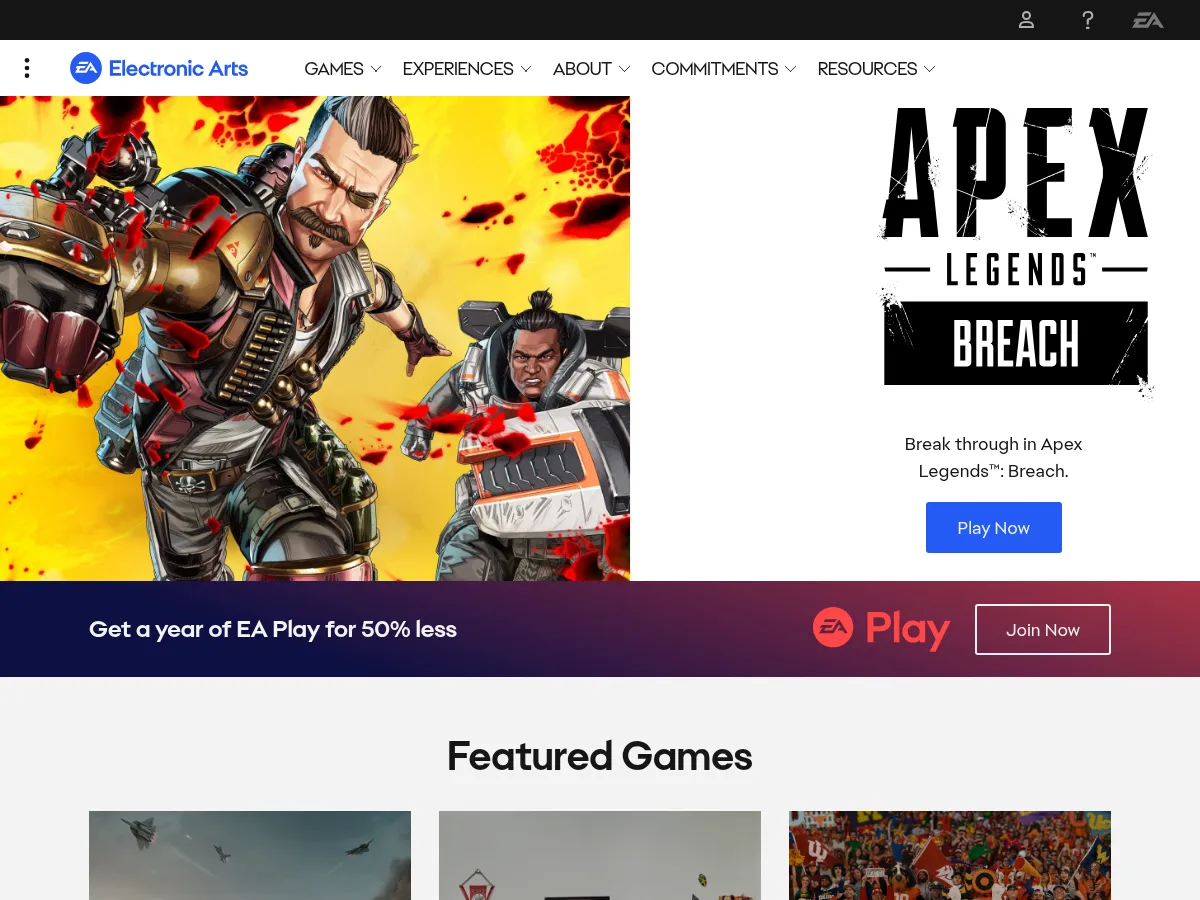
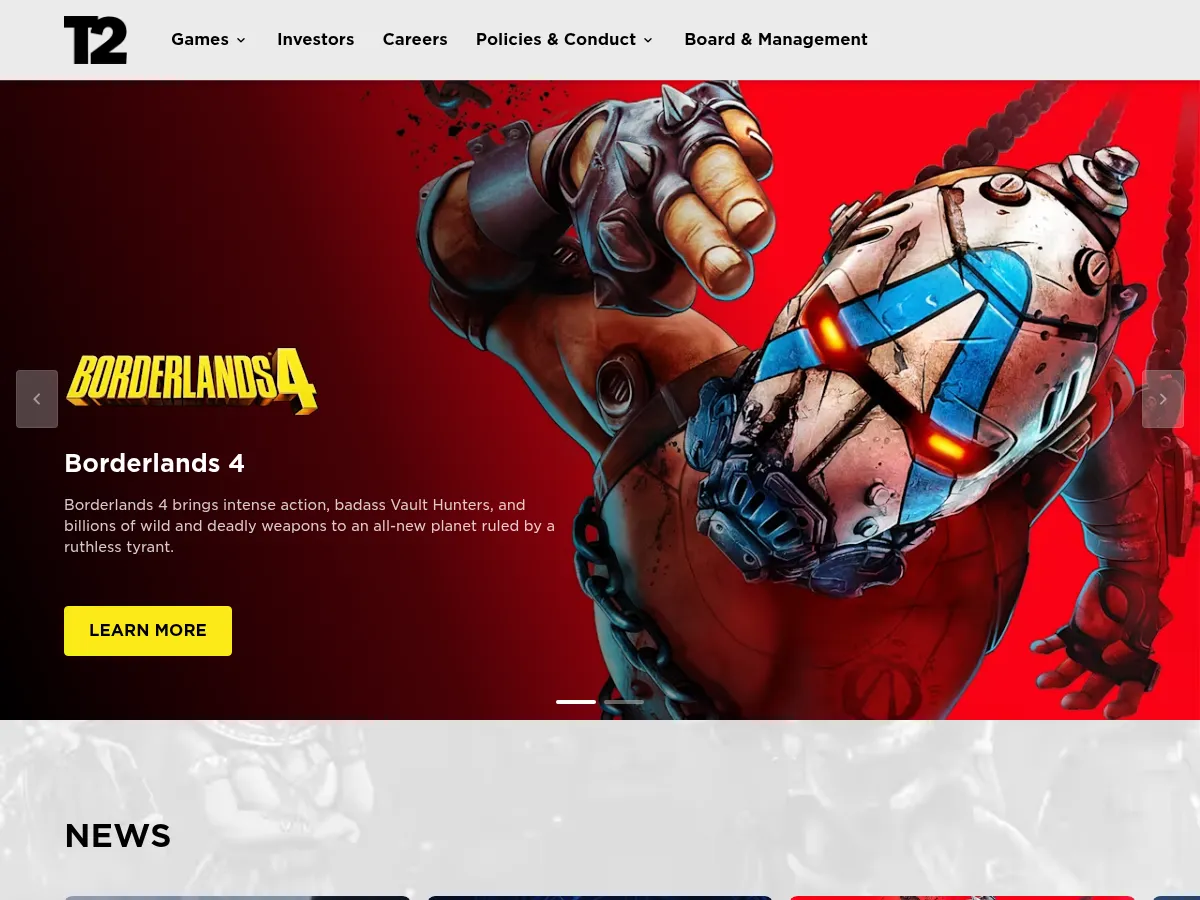
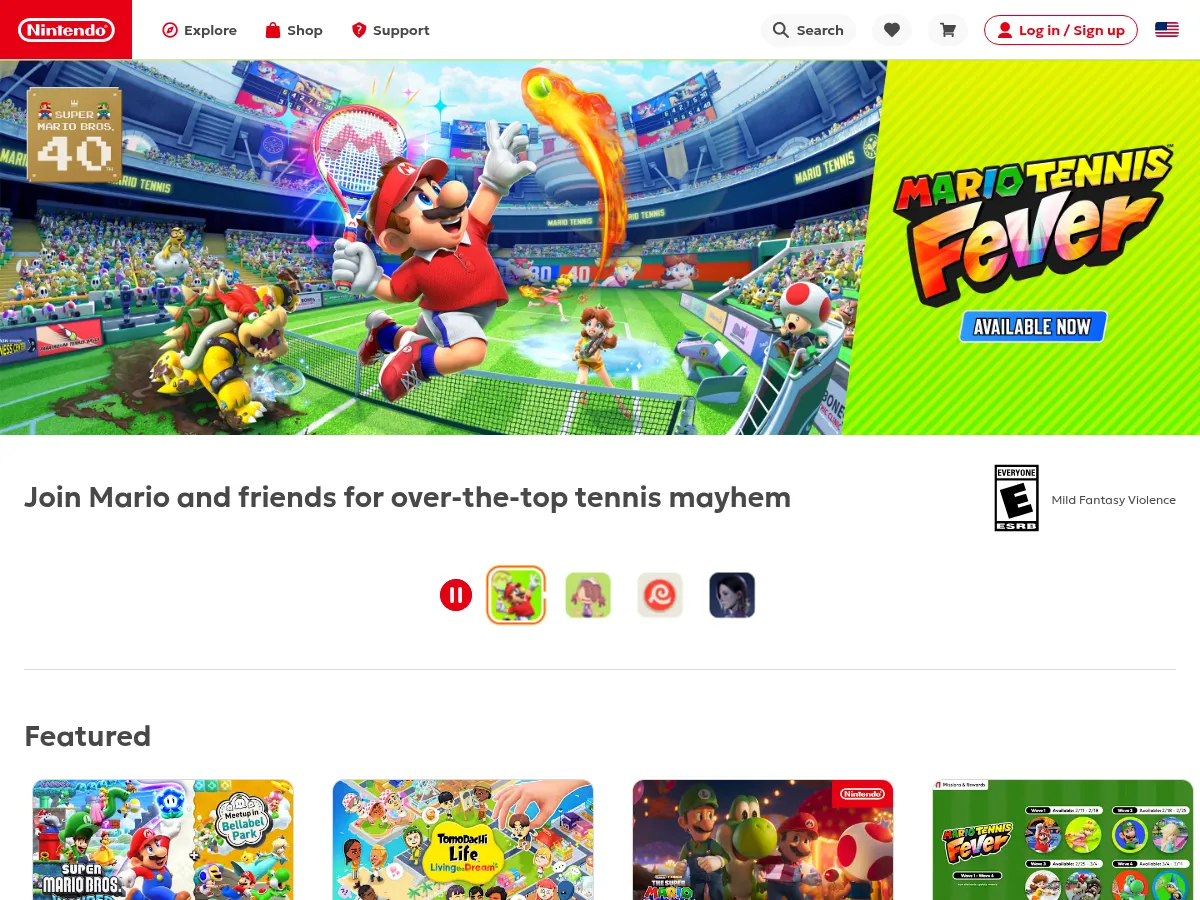
NetEase 1 4.4 NetEase NTES $120.61 +2.06% 1 review NetEase is one of the world's largest video game companies, developing popular titles for both Chinese and global markets alongside music streaming and e-commerce services. Sony Group 2 4.3 Sony Group SONY $23.19 +1.40% P/E: 16.1 1 review Sony is a global entertainment powerhouse spanning PlayStation gaming, film and music studios, and electronics, with gaming representing its largest and most profitable division. Electronic Arts 3 4.3 Electronic Arts EA $200.62 +0.08% 2 reviews Electronic Arts is a core gaming stock as one of the largest pure-play video game publishers in the world, with a portfolio of top-selling sports and action franchises that generate billions in annual revenue through game sales, in-game purchases, and subscription services. Take-Two Interactive 4 4.1 Take-Two Interactive TTWO $193.67 +1.74% P/E: 28.6 2 reviews Take-Two Interactive is a premier gaming stock that owns some of the most valuable franchises in the industry, including Grand Theft Auto and NBA 2K, with each major release capable of generating billions in revenue and sustaining player engagement for years through online multiplayer and in-game pu Roblox 5 3.9 Roblox RBLX $63.17 +0.03% 2 reviews Roblox belongs among gaming stocks as the operator of one of the most popular interactive entertainment platforms in the world, where millions of user-created games and experiences attract a massive and highly engaged daily audience, driving significant virtual currency spending. Nintendo 6 3.8 Nintendo NTDOY $13.72 -0.51% P/E: 18.8 1 review Nintendo is a Japanese gaming icon known for Mario, Zelda, and Pokemon franchises, combining innovative hardware like the Switch with beloved first-party game development. Unity Software 7 3.3 Unity Software U $18.68 -4.94% 2 reviews Unity is the engine behind the majority of the world's mobile games and a growing number of PC and console titles, providing developers with the tools to create, operate, and monetize interactive gaming experiences at scale.

Latest from Otrai

How to Backtest a Trading Strategy: Methods, Pitfalls, and What the Results Actually Mean

How to Backtest a Trading Strategy: Methods, Pitfalls, and What the Results Actually Mean

Every trader has a strategy that looks great in their head. Backtesting is how you find out whether it actually works. Here is how to test strategies properly, what metrics matter, and why most backtest results are too good to be true.
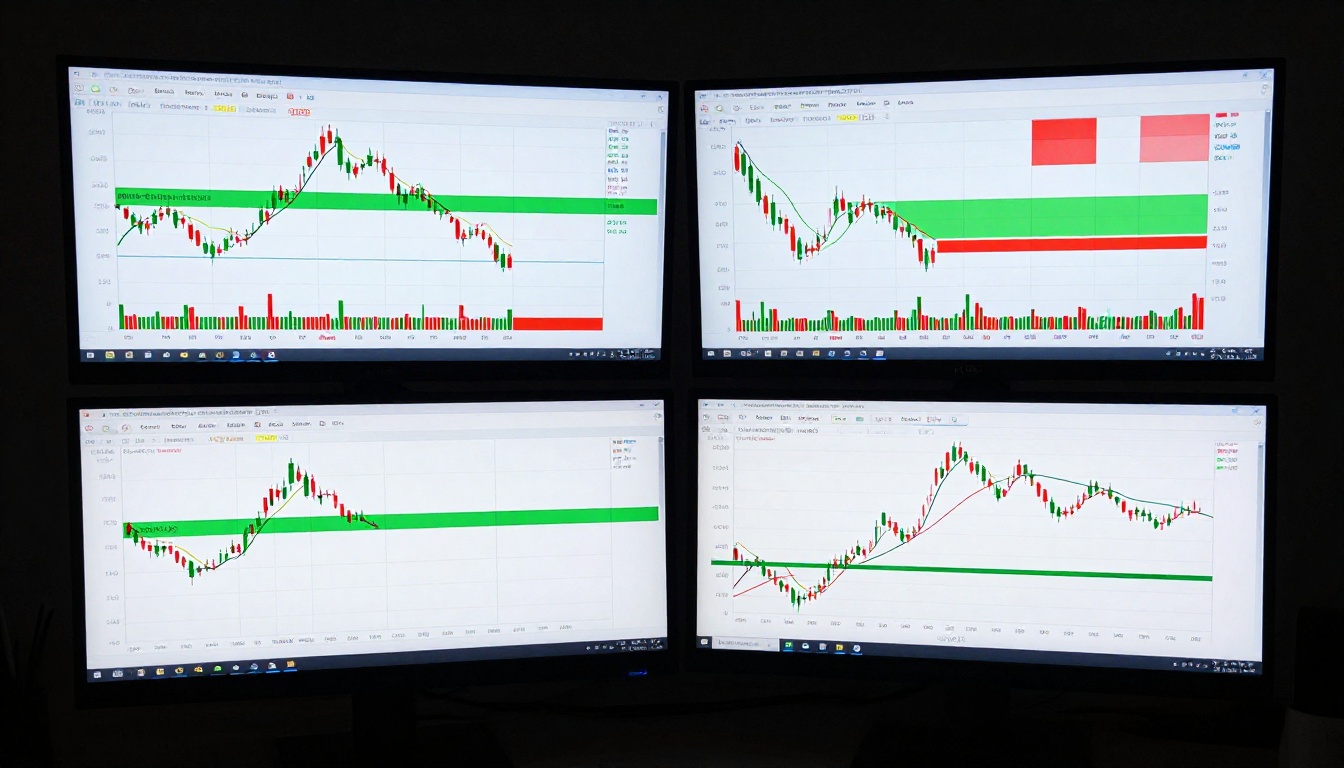

Risk-Reward Ratios: How to Set Targets That Make Your Strategy Profitable

Risk-Reward Ratios: How to Set Targets That Make Your Strategy Profitable

A risk-reward ratio compares how much you stand to lose on a trade to how much you stand to gain. It is arguably the most important number in your trading plan, because it determines whether your strategy can survive a normal losing streak.

Trading the News: How Economic Events Move Forex and What to Do About It

Trading the News: How Economic Events Move Forex and What to Do About It

Every month, a handful of economic data releases move the forex market more in five minutes than most sessions move in five days. Non-Farm Payrolls, CPI prints, and central bank rate decisions create violent spikes, whipsaws, and trend shifts that can make or break a trading account.

What Is a CFD? How Contracts for Difference Work and When to Use Them

What Is a CFD? How Contracts for Difference Work and When to Use Them

A CFD is a contract between you and your broker to exchange the difference in an asset's price from when you open the trade to when you close it. You never own the underlying asset. That single distinction shapes everything about how CFDs work, what they cost, and why regulators treat them differently from traditional investing.