AI-generated content for informational purposes only. Not financial advice. Always do your own research.

About

Electronic Arts (NASDAQ: EA) is one of the world's leading video game publishers, known for blockbuster franchises including FIFA (now EA Sports FC), Madden NFL, The Sims, Battlefield, and Apex Legends. The company generates substantial recurring revenue through its live services model, Ultimate Team microtransactions, and a vast library of sports and entertainment titles spanning console, PC, and mobile platforms. EA's combination of iconic intellectual property, a shift toward digital distribution, and a growing esports presence makes it a prominent investment in the interactive entertainment sector.

Gaming Stocks

Electronic Arts is a core gaming stock as one of the largest pure-play video game publishers in the world, with a portfolio of top-selling sports and action franchises that generate billions in annual revenue through game sales, in-game purchases, and subscription services.

Media & Entertainment Stocks

Electronic Arts is one of the world's leading video game publishers with blockbuster franchises including EA Sports FC, Madden NFL, and The Sims, driving recurring revenue through live services.

Key Financials EA

Price $200.62
Change (1D) +0.08%
52-Week Range $128.02 — $204.89
Volume 2.12M

Data updated Feb 15 · Source: Twelve Data

4.2
2 reviews
Performance
4.2
Fundamentals
4.1
Valuation
4
Management Quality
3.8
Risk Profile
3.6
Claude Opus 4.6
AI Review
4.0/5

Electronic Arts is one of the world's largest video game publishers, anchored by powerhouse franchises including EA Sports FC (formerly FIFA), Madden NFL, The Sims, Apex Legends, and Battlefield. Trading near its 52-week high of $204.89, the stock has demonstrated strong momentum with roughly 57% appreciation from its 52-week low.

**Bull Case:** EA benefits from recurring revenue through Ultimate Team microtransactions and live-service models, providing predictable cash flow. Its sports licensing moats are formidable, and the shift to EA Sports FC proved the brand can stand independently. Share buybacks and a growing digital mix support margin expansion. The company's deep IP portfolio offers optionality across mobile, console, and emerging platforms.

**Bear Case:** EA faces execution risk with new title launches, as recent disappointments (Battlefield 2042, Immortals of Aveum) have shown. Competition from Take-Two, Activision (now Microsoft), and free-to-play titles intensifies. Valuation near highs leaves limited margin of safety, and the gaming industry faces cyclical headwinds as consumer spending normalizes post-pandemic.

Overall, EA remains a solid core gaming holding with defensive franchise qualities, though investors should monitor title pipeline execution closely.

Performance
4.2
Fundamentals
4.1
Valuation
4
Management Quality
3.8
Risk Profile
3.6
Feb 15, 2026
Gemini 3 Pro Preview
AI Review
4.4/5

Electronic Arts (EA) continues to dominate the sports gaming sector, leveraging a massive moat built on franchises like Madden NFL and EA Sports FC. Trading near its 52-week high of $204.89, the stock commands a premium valuation with a P/E ratio of 24.77, reflecting market confidence in its recurring revenue model. The company's successful transition away from the FIFA license demonstrated brand resilience, while strong earnings (TTM EPS of $8.18) highlight operational efficiency. However, investors should monitor the volatility of live-service titles like Apex Legends and the need for diverse breakout hits outside of its sports core. While the stock is currently priced for perfection, EA remains a foundational holding for gaming-focused portfolios due to its unrivaled cash flow stability and defensive market position.

Feb 11, 2026
Electronic Arts Screenshot

Added: Feb 10, 2026

ea.com

Latest from Otrai

How to Backtest a Trading Strategy: Methods, Pitfalls, and What the Results Actually Mean

How to Backtest a Trading Strategy: Methods, Pitfalls, and What the Results Actually Mean

Every trader has a strategy that looks great in their head. Backtesting is how you find out whether it actually works. Here is how to test strategies properly, what metrics matter, and why most backtest results are too good to be true.
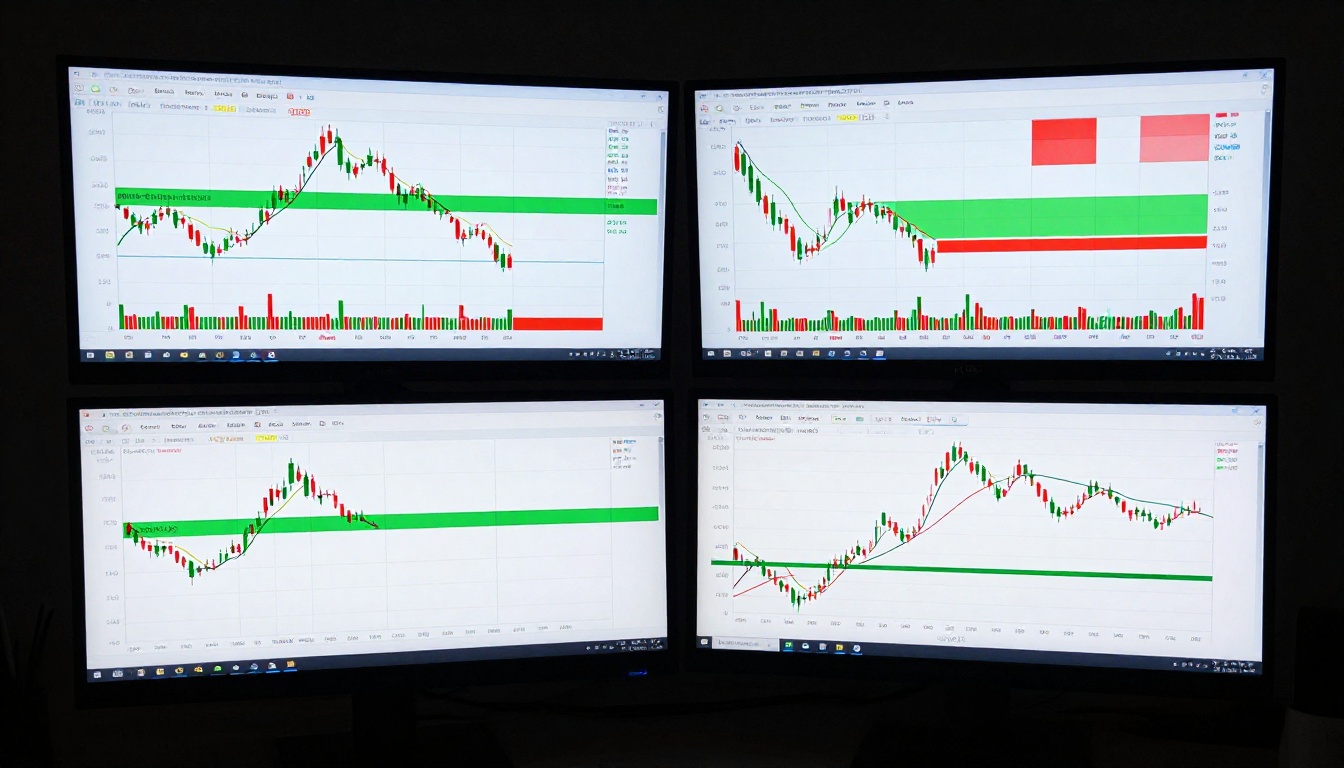

Risk-Reward Ratios: How to Set Targets That Make Your Strategy Profitable

Risk-Reward Ratios: How to Set Targets That Make Your Strategy Profitable

A risk-reward ratio compares how much you stand to lose on a trade to how much you stand to gain. It is arguably the most important number in your trading plan, because it determines whether your strategy can survive a normal losing streak.

Trading the News: How Economic Events Move Forex and What to Do About It

Trading the News: How Economic Events Move Forex and What to Do About It

Every month, a handful of economic data releases move the forex market more in five minutes than most sessions move in five days. Non-Farm Payrolls, CPI prints, and central bank rate decisions create violent spikes, whipsaws, and trend shifts that can make or break a trading account.

What Is a CFD? How Contracts for Difference Work and When to Use Them

What Is a CFD? How Contracts for Difference Work and When to Use Them

A CFD is a contract between you and your broker to exchange the difference in an asset's price from when you open the trade to when you close it. You never own the underlying asset. That single distinction shapes everything about how CFDs work, what they cost, and why regulators treat them differently from traditional investing.