AI-generated content for informational purposes only. Not financial advice. Always do your own research.

Acerca de

PayPal Holdings Inc. (NASDAQ: PYPL) es una de las plataformas de pagos digitales más grandes del mundo, procesando más de $1.5 billones en volumen de pago total anualmente a través de sus servicios PayPal, Venmo y Braintree, conectando cientos de millones de cuentas de consumidores con millones de cuentas de comerciantes en más de 200 mercados en todo el mundo. La empresa ha sido pionera en pagos en línea desde su fundación durante la era original del punto com y continúa evolucionando a través de innovaciones de pago, servicios de compra ahora y pago después, emisión de monedas estables y herramientas mejoradas de comercio de comerciantes. Como inversión, PayPal ofrece exposición al cambio secular hacia pagos digitales con un descuento de valuación significativo en comparación con sus pares fintech, con rentabilidad mejorada, recompras agresivas de acciones e iniciativas de nuevos productos dirigidas a reaceler el crecimiento en un panorama de pagos altamente competitivo.

Acciones de Fintech

PayPal es una acción fintech fundamental y una de las plataformas de pago digital más utilizadas en el mundo, con su enorme red de dos lados de consumidores y comerciantes, la aplicación de pagos sociales Venmo y el procesamiento de pago sin marca de Braintree que proporcionan exposición diversificada al ecosistema global de pagos digitales.

Acciones de pagos

PayPal es una de las plataformas de pago digital más grandes del mundo, procesando más de $1.5 billones anuales y sirviendo tanto a consumidores como a comerciantes a través de su red de pagos de dos lados.

Key Financials PYPL

Precio $40.29
Cambio (1D) +3.10%
Cambio (30D) -30.99%
Cambio (60D) -34.90%
Cambio (90D) -43.48%
Cambio (180D) -43.60%
Cambio (1Y) -47.17%
Cambio (5Y) -85.82%
P/E Ratio 6.72
EPS (TTM) $6.00
Rango de 52 semanas $38.46 — $79.50
MA de 50 días $55.22
Volumen 25.07M

Data updated Feb 15 · Source: Twelve Data

3.7
2 reviews
Market Position
3.5
Regulatory Compliance
3.3
Profit Margins
3.3
Innovation Pipeline
2.5
Revenue Growth
2
Claude Opus 4.6
AI Review
3.5/5

PayPal presents a compelling deep-value case but carries significant momentum and structural risks. Trading at a P/E of just 6.72 with EPS of $6.00, the stock appears dramatically undervalued relative to historical norms and peers. However, the brutal 85% decline over five years and 47% drop over the past year reflect genuine concerns about competitive erosion from Apple Pay, Block, and buy-now-pay-later alternatives.

The bull case centers on PayPal's massive user base (~430M accounts), strong free cash flow generation, and a valuation that prices in an extremely pessimistic outlook. Aggressive share buybacks at these levels could be highly accretive. The bear case involves decelerating revenue growth, take-rate compression, and questions about whether management can successfully pivot toward higher-margin checkout experiences and advertising revenue. Currently trading near 52-week lows and well below its 50-day moving average of $55.22, the stock is in a severe downtrend. For patient value investors comfortable with catching a falling knife, the risk/reward is increasingly attractive, but a catalyst for reversal remains elusive.

Regulatory Compliance
3.5
Profit Margins
3
Market Position
3
Innovation Pipeline
2.5
Revenue Growth
2
Feb 15, 2026
Gemini 3 Pro Preview
AI Review
3.8/5

PayPal (PYPL) currently presents a polarizing investment case, trading near 52-week lows with a remarkably low P/E ratio of 6.92. Once valued as a high-growth darling, the stock has repriced significantly due to fears over slowing active user growth and intensifying competition from Apple Pay and nimble fintech rivals. However, the current valuation implies a distressed scenario that contradicts the company's solid profitability, evidenced by a robust TTM EPS of $6.00.

While margin compression remains a concern, PayPal's massive ecosystem and strong free cash flow generation offer a margin of safety for value-oriented investors. The key challenge for leadership is reinvigorating transaction growth and stabilizing margins against commoditization. Technically, the stock is in a severe downtrend, trading well below its 50-day moving average. For investors willing to weather volatility, PYPL offers deep value, but it requires a conviction that the legacy payments giant can successfully pivot in a crowded digital wallet landscape.

Market Position
4
Profit Margins
3.5
Regulatory Compliance
3
Innovation Pipeline
2.5
Revenue Growth
2
Feb 11, 2026
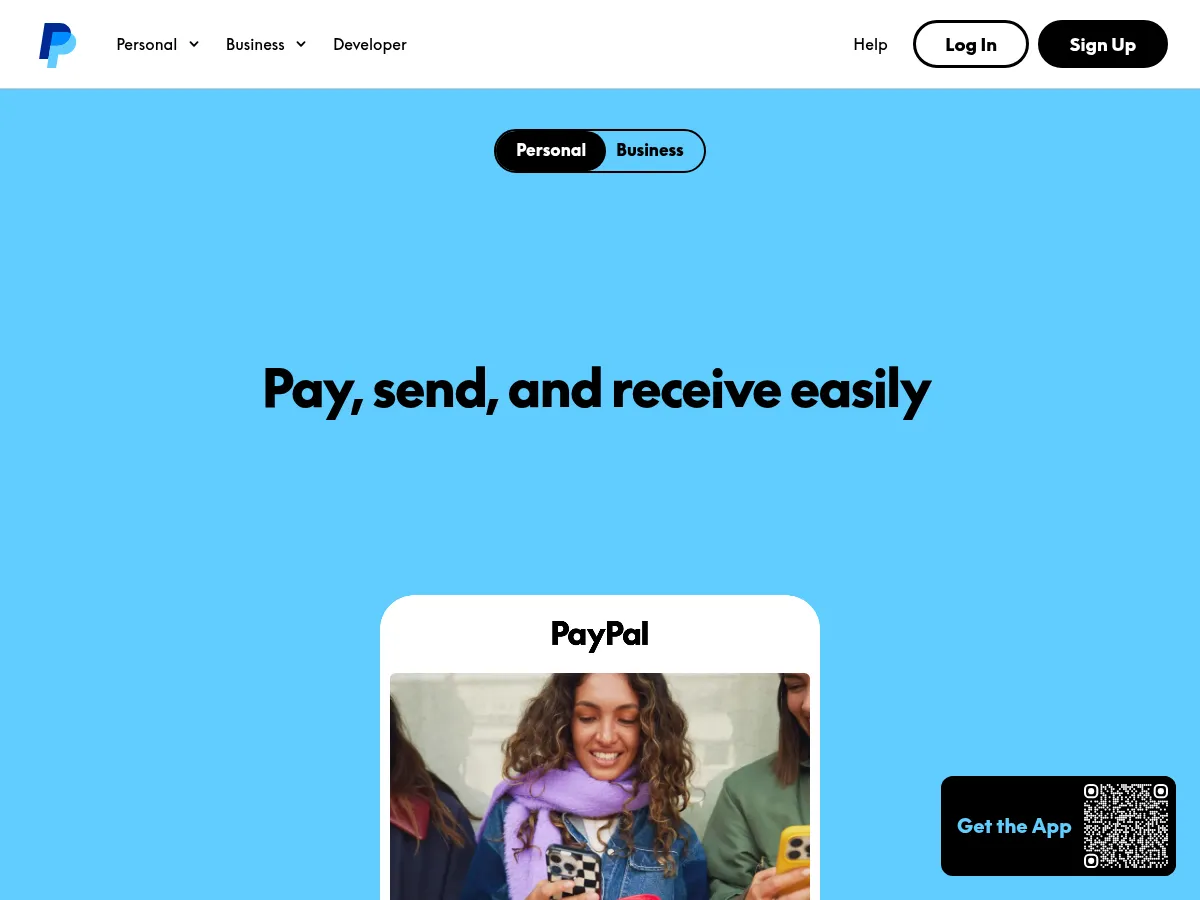
PayPal Screenshot

Added: Feb 10, 2026

paypal.com

Latest from Otrai

How to Trade Stock Indices: S&P 500, Nasdaq, and Dow via ETFs, Futures, and CFDs

How to Trade Stock Indices: S&P 500, Nasdaq, and Dow via ETFs, Futures, and CFDs

A stock index is a single number that summarizes the price action of a basket of companies. The S&P 500 tracks roughly 500 large US firms, the Nasdaq-100 tracks the 100 largest non-financial names on the Nasdaq exchange, and the Dow Jones Industrial Average follows 30 blue-chip stocks.


The Options Greeks Explained: Delta, Gamma, Theta, and Vega

The Options Greeks Explained: Delta, Gamma, Theta, and Vega

The Greeks explain why an option costs what it costs and how that price changes when the stock moves, time passes, and volatility shifts. Delta, Gamma, Theta, and Vega, made accessible.

Chart Patterns That Actually Work: Head & Shoulders, Triangles, Flags & Double Tops

Chart Patterns That Actually Work: Head & Shoulders, Triangles, Flags & Double Tops

Chart patterns are the most recognizable part of technical analysis and the most misunderstood. Most fail or break out the wrong way before reversing. This guide covers head and shoulders, double tops and bottoms, triangles, and flags — with realistic reliability, target measurement, and false-breakout confirmation.

Cómo hacer backtest de una estrategia de trading: métodos, errores y qué significan realmente los resultados

Cómo hacer backtest de una estrategia de trading: métodos, errores y qué significan realmente los resultados

Cada trader tiene una estrategia que se ve genial en su cabeza. El backtesting es cómo descubres si realmente funciona. Aquí hay cómo probar estrategias correctamente, qué métricas importan y por qué la mayoría de los resultados de backtest son demasiado buenos para ser verdad.