AI-generated content for informational purposes only. Not financial advice. Always do your own research.

Acerca de

Procter & Gamble (NYSE: PG) es una de las empresas de bienes de consumo más grandes del mundo, propietaria de un portafolio de marcas emblemáticas del hogar incluyendo Tide, Pampers, Gillette, Crest, Bounty y Charmin, con productos utilizados por miles de millones de consumidores en más de 180 países diariamente. El enfoque de la empresa en marcas premium en categorías de productos esenciales genera ingresos altamente predecibles y un fuerte poder de fijación de precios, permitiendo un crecimiento de ganancias consistente a través de ciclos económicos. P&G es una inversión de dividendos fundamental con más de 65 años consecutivos de aumentos de dividendos anuales, convirtiéndola en un Dividend King y una de las acciones que generan ingresos más confiables disponibles para los inversores.

Acciones aristócratas del dividendo

Procter & Gamble es una de las empresas de bienes de consumo más grandes del mundo con más de 60 años consecutivos de aumentos de dividendos, siendo propietaria de marcas domésticas como Tide, Pampers, Gillette y Charmin.

Acciones con Dividendos

Procter & Gamble es un Dividend King con más de 65 años consecutivos de aumentos de dividendos anuales, respaldado por los flujos de efectivo altamente predecibles de su cartera de marcas de consumo esencial. Su modelo de negocio defensivo y crecimiento consistente de dividendos la convierten en una acción de dividendos ancla para inversores que buscan ingresos estables y crecientes independientemente de las condiciones económicas.

Key Financials PG

Precio $160.07
Cambio (1D) -0.71%
Cambio (30D) +11.69%
Cambio (60D) +9.77%
Cambio (90D) +6.42%
Cambio (180D) -4.36%
Cambio (1Y) -5.61%
Cambio (5Y) +24.40%
P/E Ratio 19.74
EPS (TTM) $8.11
Rango de 52 semanas $137.62 — $179.99
MA de 50 días $147.19
Volumen 14.00M

Data updated Feb 15 · Source: Twelve Data

4.7
2 reviews
Dividend Growth Streak
5
Financial Stability
4.8
Sector Resilience
4.5
Payout Ratio Safety
4.5
Dividend Yield
4.5
Total Return Potential
3.8
Claude Opus 4.6
AI Review
4.6/5

Procter & Gamble stands as one of the most iconic Dividend Aristocrats, having increased its dividend for over 65 consecutive years"a testament to its exceptional cash flow durability. The consumer staples giant owns category-leading brands including Tide, Pampers, and Gillette, providing significant pricing power and defensive characteristics.

At a P/E of 19.74 with EPS of $8.11, valuation appears reasonable for a blue-chip compounder, sitting below its historical average multiple. The stock has recovered sharply from its 52-week low, trading well above its 50-day MA ($147.19), though it remains roughly 11% below its 52-week high of $179.99.

Bull case: Unmatched brand portfolio, consistent margin expansion through productivity initiatives, and reliable dividend growth make PG a cornerstone defensive holding. Bear case: Modest top-line growth in mature categories, currency headwinds from significant international exposure, and private-label competition during inflationary periods. The negative 1-year return (-5.61%) reflects broader consumer staples sector rotation rather than fundamental deterioration. PG remains a premier income and capital preservation vehicle for conservative portfolios.

Dividend Growth Streak
5
Financial Stability
4.8
Dividend Yield
4.5
Payout Ratio Safety
4.5
Sector Resilience
4.5
Total Return Potential
3.8
Feb 15, 2026
Gemini 3 Pro Preview
AI Review
4.8/5

Procter & Gamble remains the gold standard in the consumer staples sector, boasting a massive portfolio of iconic brands like Tide, Gillette, and Pampers. Trading at a P/E ratio of 19.62, the stock offers a reasonable valuation relative to its historical premium, especially for a company with such defensive characteristics. As a Dividend King with over six decades of consecutive payout increases, PG provides exceptional reliability for income-focused investors, consistently returning capital to shareholders regardless of economic cycles. However, the company faces challenges regarding volume growth, as persistent inflation tests consumer loyalty and invites competition from private-label alternatives. Despite these headwinds, PG's operational efficiency, pricing power, and recent price momentum above its 50-day moving average make it a foundational holding for conservative portfolios seeking stability and steady compounding.

Feb 11, 2026
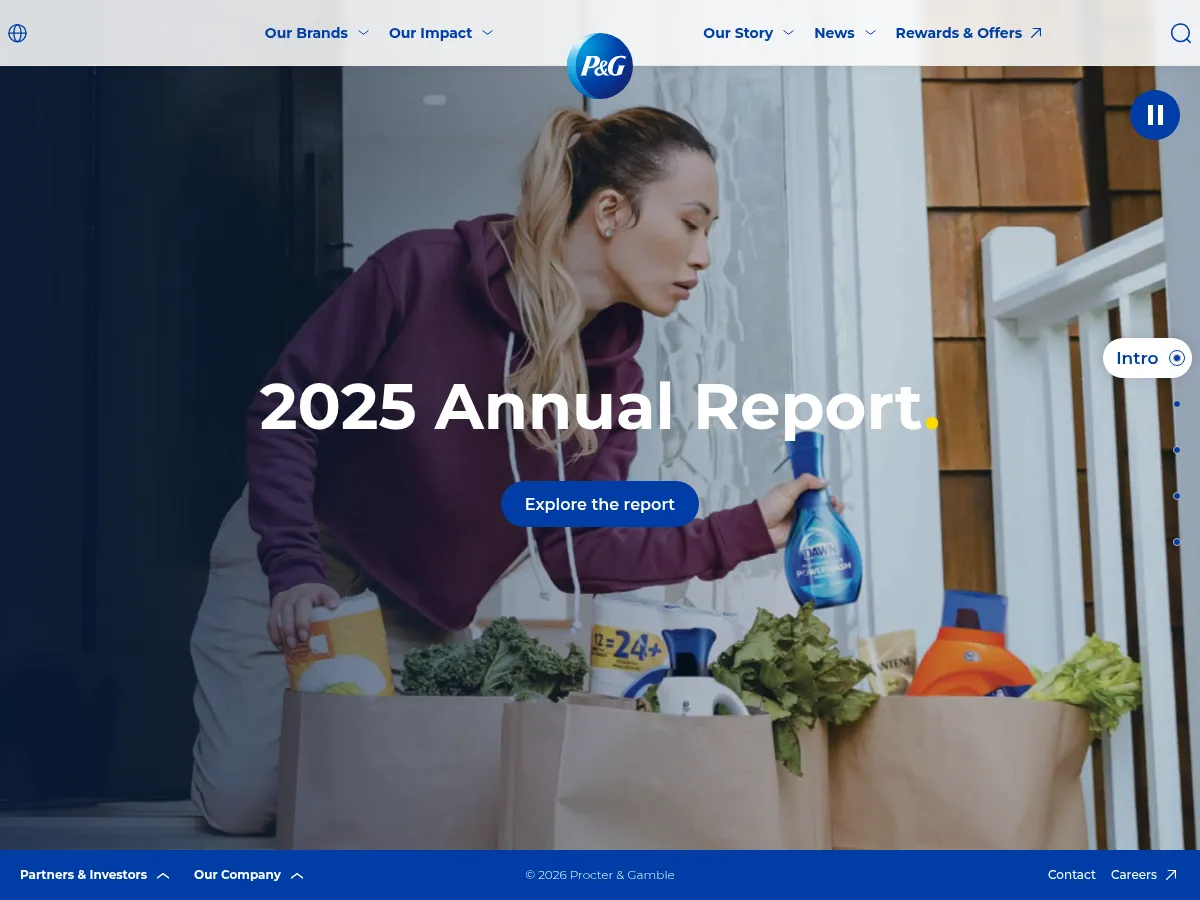
Procter & Gamble Screenshot

Added: Feb 10, 2026

us.pg.com

Latest from Otrai

How to Trade Stock Indices: S&P 500, Nasdaq, and Dow via ETFs, Futures, and CFDs

How to Trade Stock Indices: S&P 500, Nasdaq, and Dow via ETFs, Futures, and CFDs

A stock index is a single number that summarizes the price action of a basket of companies. The S&P 500 tracks roughly 500 large US firms, the Nasdaq-100 tracks the 100 largest non-financial names on the Nasdaq exchange, and the Dow Jones Industrial Average follows 30 blue-chip stocks.


The Options Greeks Explained: Delta, Gamma, Theta, and Vega

The Options Greeks Explained: Delta, Gamma, Theta, and Vega

The Greeks explain why an option costs what it costs and how that price changes when the stock moves, time passes, and volatility shifts. Delta, Gamma, Theta, and Vega, made accessible.

Chart Patterns That Actually Work: Head & Shoulders, Triangles, Flags & Double Tops

Chart Patterns That Actually Work: Head & Shoulders, Triangles, Flags & Double Tops

Chart patterns are the most recognizable part of technical analysis and the most misunderstood. Most fail or break out the wrong way before reversing. This guide covers head and shoulders, double tops and bottoms, triangles, and flags — with realistic reliability, target measurement, and false-breakout confirmation.

Cómo hacer backtest de una estrategia de trading: métodos, errores y qué significan realmente los resultados

Cómo hacer backtest de una estrategia de trading: métodos, errores y qué significan realmente los resultados

Cada trader tiene una estrategia que se ve genial en su cabeza. El backtesting es cómo descubres si realmente funciona. Aquí hay cómo probar estrategias correctamente, qué métricas importan y por qué la mayoría de los resultados de backtest son demasiado buenos para ser verdad.