AI-generated content for informational purposes only. Not financial advice. Always do your own research.

Über uns

Großer Datencenter-Immobilien-Investmentfonds, der Unternehmensklassen-Colocation- und Hyperscale-Datenzenterlösungen in den USA und Europa bereitstellt.

Rechenzentrumsaktien

CyrusOne, jetzt unter KKR-Ownership, bietet Enterprise-class Colocation- und Hyperscale-Rechenzentrum-Lösungen in den USA und Europa und bedient die wachsende Nachfrage nach Cloud- und KI-Computing.

Key Financials CONE

Preis $0.08
Veränderung (1T) +0.00%
Veränderung (30D) +25.00%
Veränderung (60D) +50.00%
Veränderung (90D) +50.00%
Veränderung (180D) +150.00%
Veränderung (1Y) +275.00%
Veränderung (5Y) +50.00%
52-Wochen-Spanne $0.02 — $0.09
50-Tage-Durchschnitt $0.06

Data updated Feb 15 · Source: Twelve Data

1.5
1 reviews
Claude Opus 4.6
AI Review
1.5/5

CyrusOne was formerly a prominent publicly traded data center REIT that operated enterprise-class facilities across the U.S. and Europe. In 2022, the company was acquired by KKR and Global Infrastructure Partners in an approximately $15 billion take-private transaction at $90.50 per share. As a result, CONE shares were delisted from major exchanges and the company no longer operates as a public entity. The residual ticker activity at fractions of a penny on OTC markets reflects post-merger cleanup trading with essentially zero volume " this is not a viable investment vehicle. The underlying business remains strong within KKR's portfolio, benefiting from surging AI and cloud-driven data center demand, but public investors cannot meaningfully participate through this delisted equity. Any apparent percentage gains on the residual shares are misleading given negligible liquidity and near-zero pricing. Investors seeking data center exposure should look to publicly traded alternatives like Equinix, Digital Realty, or other active REITs. This is effectively a dead ticker with no investment merit for public market participants.

Feb 15, 2026
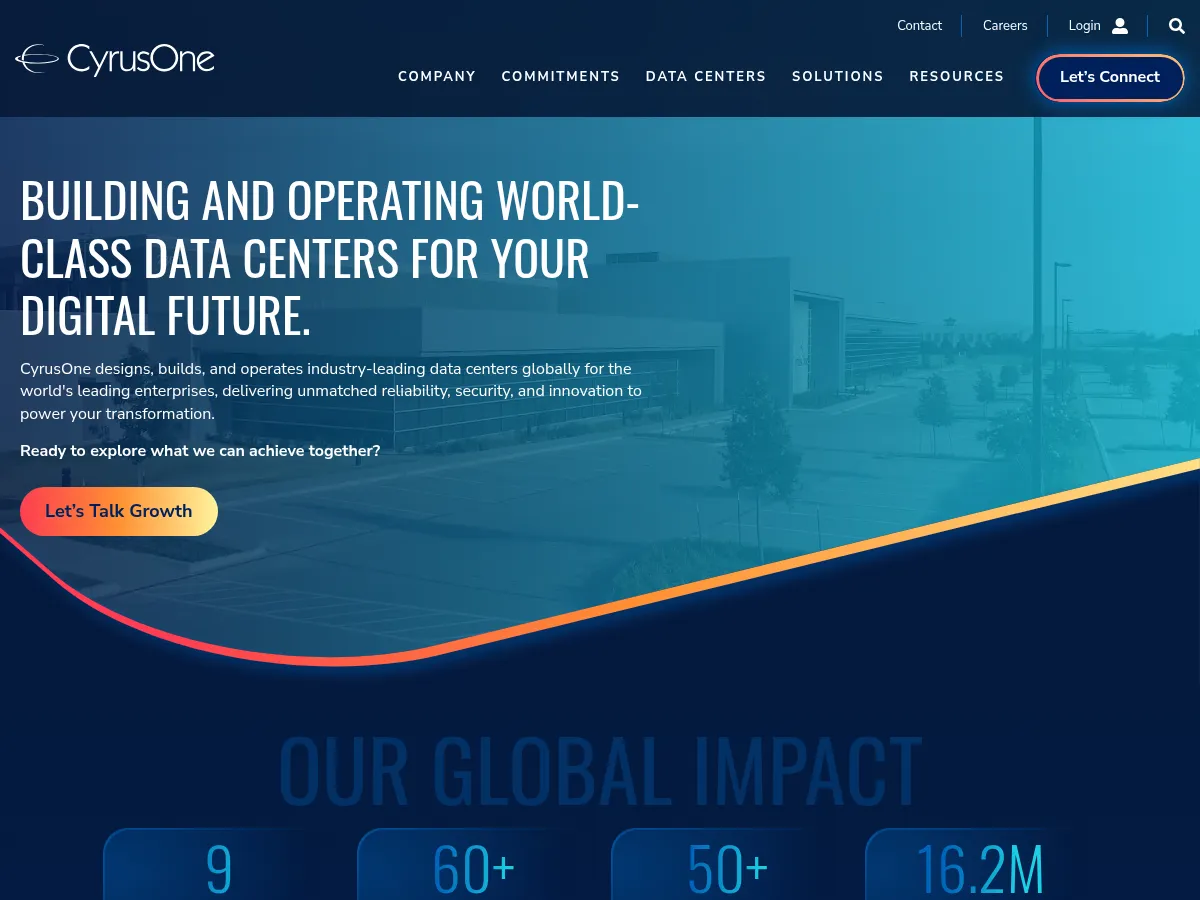
CyrusOne (now part of KKR) Screenshot

Added: Feb 15, 2026

cyrusone.com

Latest from Otrai

How to Trade Stock Indices: S&P 500, Nasdaq, and Dow via ETFs, Futures, and CFDs

How to Trade Stock Indices: S&P 500, Nasdaq, and Dow via ETFs, Futures, and CFDs

A stock index is a single number that summarizes the price action of a basket of companies. The S&P 500 tracks roughly 500 large US firms, the Nasdaq-100 tracks the 100 largest non-financial names on the Nasdaq exchange, and the Dow Jones Industrial Average follows 30 blue-chip stocks.
The Options Greeks Explained: Delta, Gamma, Theta, and Vega

The Options Greeks Explained: Delta, Gamma, Theta, and Vega

The Greeks explain why an option costs what it costs and how that price changes when the stock moves, time passes, and volatility shifts. Delta, Gamma, Theta, and Vega, made accessible.

Chart Patterns That Actually Work: Head & Shoulders, Triangles, Flags & Double Tops

Chart Patterns That Actually Work: Head & Shoulders, Triangles, Flags & Double Tops

Chart patterns are the most recognizable part of technical analysis and the most misunderstood. Most fail or break out the wrong way before reversing. This guide covers head and shoulders, double tops and bottoms, triangles, and flags — with realistic reliability, target measurement, and false-breakout confirmation.

So backtesten Sie eine Handelsstrategie: Methoden, Fallstricke und was die Ergebnisse tatsächlich bedeuten

So backtesten Sie eine Handelsstrategie: Methoden, Fallstricke und was die Ergebnisse tatsächlich bedeuten

Jeder Trader hat eine Strategie, die in seinem Kopf großartig aussieht. Backtesting ist die Art herauszufinden, ob sie tatsächlich funktioniert. Hier erfahren Sie, wie Sie Strategien richtig testen, welche Kennzahlen wichtig sind und warum die meisten Backtest-Ergebnisse zu gut sind, um wahr zu sein.