AI-generated content for informational purposes only. Not financial advice. Always do your own research.

Über uns

Carnival Corporation & plc (NYSE: CCL) ist das größte Kreuzfahrtunternehmen der Welt und betreibt eine Flotte von etwa 90 Schiffen über neun Marken einschließlich Carnival Cruise Line, Princess Cruises, Holland America Line und Costa Cruises, das Millionen von Passagieren jährlich bedient. Die Multi-Marken-Strategie des Unternehmens ermöglicht es, die Nachfrage auf praktisch jeden Preispunkt und jede Bevölkerungsgruppe von budgetfreundlich bis ultra-luxuriös abzudecken, während sein massiver Umfang erhebliche Vorteile bei Hafenverhandlungen, Treibstoffeinkauf und Schiffbauprodukionen bietet. Carnival bietet Investoren gehebeltes Engagement mit der Erholung und dem Wachstum der globalen Kreuzfahrtindustrie, obwohl das Unternehmen erhöhte Schuldenwerte aus Pandemie-Zeit-Kreditaufnahmen trägt, die es durch verbesserte Mittelstromgenerierung weiter abbauen wird.

Kreuzfahrtschiff-Aktien

Carnival Corporation ist die weltweit größte Kreuzfahrtaktie nach Flottengröße und Passagierkapazität, betreibt neun unterschiedliche Marken über alle großen Kreuzfahrtsegmente und bietet Investoren die direkteste und gehebelte Exposition gegenüber globalen Nachfragetrends der Kreuzfahrtindustrie.

Key Financials CCL

Preis $31.77
Veränderung (1T) -2.55%
Veränderung (30D) +4.03%
Veränderung (60D) +25.28%
Veränderung (90D) +9.21%
Veränderung (180D) +38.13%
Veränderung (1Y) +22.71%
Veränderung (5Y) +50.93%
KGV 3.95
EPS (TTM) $8.04
52-Wochen-Spanne $15.07 — $34.03
50-Tage-Durchschnitt $30.02
Volumen 18.26M

Data updated Feb 15 · Source: Twelve Data

4.4
2 reviews
Valuation
4.6
Fundamentals
4.4
Performance
4.4
Management Quality
4.2
Risk Profile
3.4
Claude Opus 4.6
AI Review
4.2/5

Carnival Corporation, the world's largest cruise operator with brands including Carnival, Princess, Holland America, and Costa, has staged a remarkable post-pandemic recovery. The stock has surged 38% over the past six months, reflecting strong consumer demand for cruise vacations and impressive operational execution.

The bull case is compelling: a P/E ratio of just 3.95 with EPS of $8.04 suggests the stock remains deeply undervalued relative to earnings power. Pent-up travel demand, record booking volumes, and improving yield management have driven profitability well beyond pre-pandemic levels. The stock trades near its 52-week high of $34.03, indicating strong momentum.

However, risks remain significant. Carnival carries substantial debt accumulated during COVID shutdowns, creating elevated interest expenses. The company is sensitive to economic downturns, fuel price volatility, and geopolitical disruptions. Currency headwinds and potential consumer spending slowdowns could pressure margins. The 5-year return of just 51% reminds investors of the devastating capital destruction during the pandemic.

For investors comfortable with cyclical risk, Carnival's current valuation and demand trajectory present an attractive entry point in the cruise sector.

Valuation
4.6
Performance
4.4
Fundamentals
4.4
Management Quality
4.2
Risk Profile
3.4
Feb 15, 2026
Gemini 3 Pro Preview
AI Review
4.6/5

Carnival Corporation (CCL) presents a compelling value proposition, currently trading at $33.35, just shy of its 52-week high of $34.03. The provided financial metrics indicate a robust operational performance, highlighted by a remarkably low P/E ratio of 4.15 and strong trailing earnings of $8.04 per share. This valuation suggests the stock may be significantly undervalued relative to its current earnings power. Technically, the stock demonstrates momentum, holding comfortably above its 50-day moving average of $29.62. While Carnival benefits from its status as the industry leader and surging global travel demand, investors must weigh these positives against the sector's inherent cyclicality and sensitivity to consumer discretionary spending. If the company can maintain this earnings trajectory, the stock offers an attractive risk-reward profile for value-oriented investors.

Feb 11, 2026
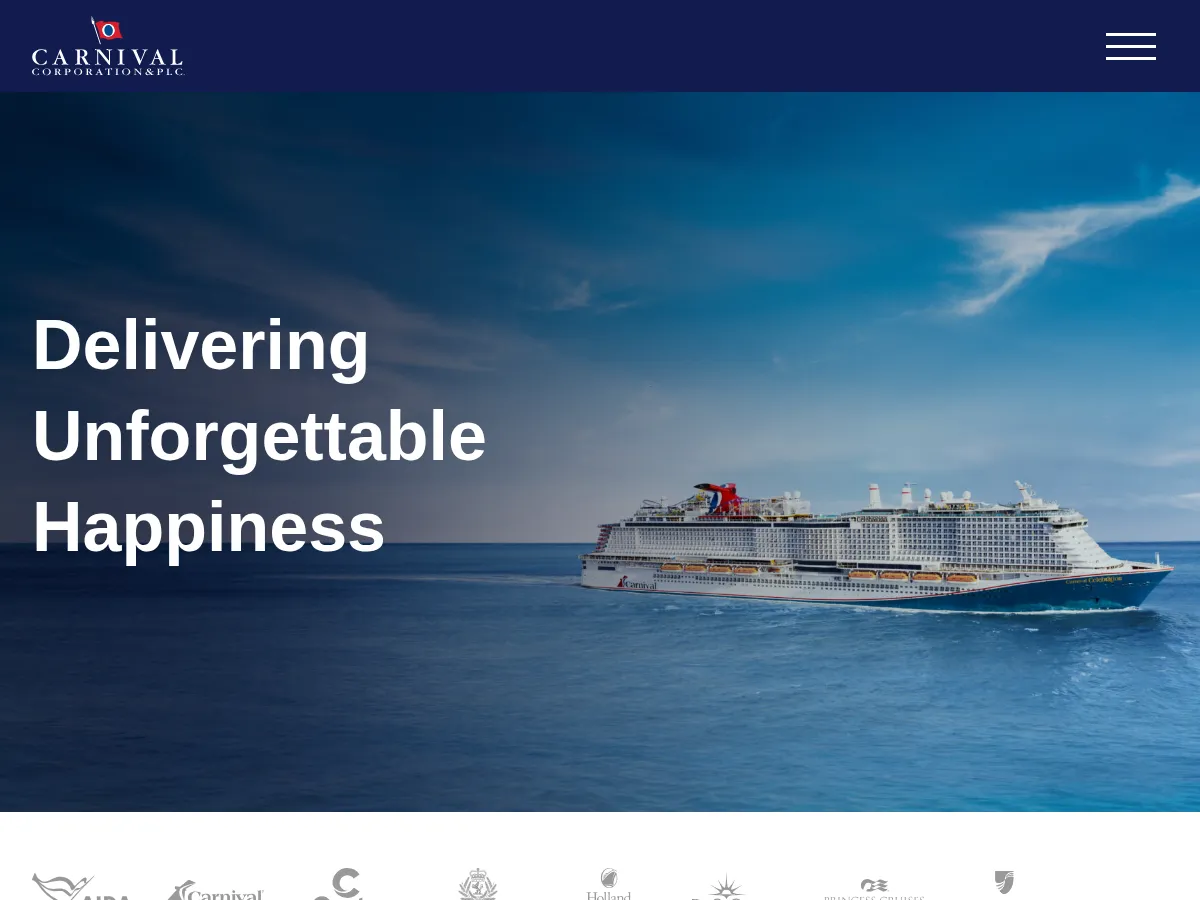
Carnival Corporation Screenshot

Added: Feb 10, 2026

carnivalcorp.com

Latest from Otrai

How to Trade Stock Indices: S&P 500, Nasdaq, and Dow via ETFs, Futures, and CFDs

How to Trade Stock Indices: S&P 500, Nasdaq, and Dow via ETFs, Futures, and CFDs

A stock index is a single number that summarizes the price action of a basket of companies. The S&P 500 tracks roughly 500 large US firms, the Nasdaq-100 tracks the 100 largest non-financial names on the Nasdaq exchange, and the Dow Jones Industrial Average follows 30 blue-chip stocks.


The Options Greeks Explained: Delta, Gamma, Theta, and Vega

The Options Greeks Explained: Delta, Gamma, Theta, and Vega

The Greeks explain why an option costs what it costs and how that price changes when the stock moves, time passes, and volatility shifts. Delta, Gamma, Theta, and Vega, made accessible.

Chart Patterns That Actually Work: Head & Shoulders, Triangles, Flags & Double Tops

Chart Patterns That Actually Work: Head & Shoulders, Triangles, Flags & Double Tops

Chart patterns are the most recognizable part of technical analysis and the most misunderstood. Most fail or break out the wrong way before reversing. This guide covers head and shoulders, double tops and bottoms, triangles, and flags — with realistic reliability, target measurement, and false-breakout confirmation.

So backtesten Sie eine Handelsstrategie: Methoden, Fallstricke und was die Ergebnisse tatsächlich bedeuten

So backtesten Sie eine Handelsstrategie: Methoden, Fallstricke und was die Ergebnisse tatsächlich bedeuten

Jeder Trader hat eine Strategie, die in seinem Kopf großartig aussieht. Backtesting ist die Art herauszufinden, ob sie tatsächlich funktioniert. Hier erfahren Sie, wie Sie Strategien richtig testen, welche Kennzahlen wichtig sind und warum die meisten Backtest-Ergebnisse zu gut sind, um wahr zu sein.