AI-generated content for informational purposes only. Not financial advice. Always do your own research.

About

America's largest military shipbuilder, constructing nuclear-powered aircraft carriers and submarines for the US Navy. Critical defense infrastructure company.

Aerospace Stocks

Huntington Ingalls builds nuclear-powered aircraft carriers and submarines for the US Navy, representing mission-critical aerospace and defense manufacturing capabilities.

Defense Stocks

Huntington Ingalls is America's largest military shipbuilder, constructing nuclear aircraft carriers and submarines as critical defense infrastructure with decades-long production backlogs.

Mid Cap Value Stocks

Huntington Ingalls offers mid-cap value investors exposure to stable, long-cycle defense spending as the sole builder of US Navy aircraft carriers with decades of contracted work.

4.1
1 reviews
Market Position
4.9
Contract Pipeline
4.8
Innovation & R&D
3.8
Management Team
3.5
Financial Performance
3.3
Claude Opus 4.6
AI Review
4.1/5

Huntington Ingalls Industries is America's largest military shipbuilder and the sole manufacturer of nuclear-powered aircraft carriers, giving it an extraordinarily deep competitive moat. The company operates through three segments: Ingalls Shipbuilding, Newport News Shipbuilding, and Mission Technologies. Its near-monopoly position in carrier and submarine construction provides exceptional revenue visibility, with a multi-year backlog typically exceeding $45 billion.

**Bull Case:** HII benefits from a structurally growing defense budget, bipartisan support for naval expansion, and irreplaceable shipbuilding capabilities. The AUKUS submarine deal and Navy fleet modernization plans provide decades-long tailwinds. The company returns significant capital through dividends and buybacks.

**Bear Case:** Shipbuilding margins remain thin and labor shortages have caused program delays and cost overruns. Revenue concentration with the U.S. Navy creates single-customer risk. Fixed-price contracts can compress margins during inflationary periods, and execution challenges on the Columbia-class submarine program bear monitoring.

HII offers a compelling defense pure-play with unmatched strategic positioning, though investors should temper expectations given operational complexity and margin pressures inherent in large-scale shipbuilding programs.

Market Position
4.9
Contract Pipeline
4.8
Innovation & R&D
3.8
Management Team
3.5
Financial Performance
3.3
Feb 15, 2026

Latest from Otrai

How to Backtest a Trading Strategy: Methods, Pitfalls, and What the Results Actually Mean

How to Backtest a Trading Strategy: Methods, Pitfalls, and What the Results Actually Mean

Every trader has a strategy that looks great in their head. Backtesting is how you find out whether it actually works. Here is how to test strategies properly, what metrics matter, and why most backtest results are too good to be true.
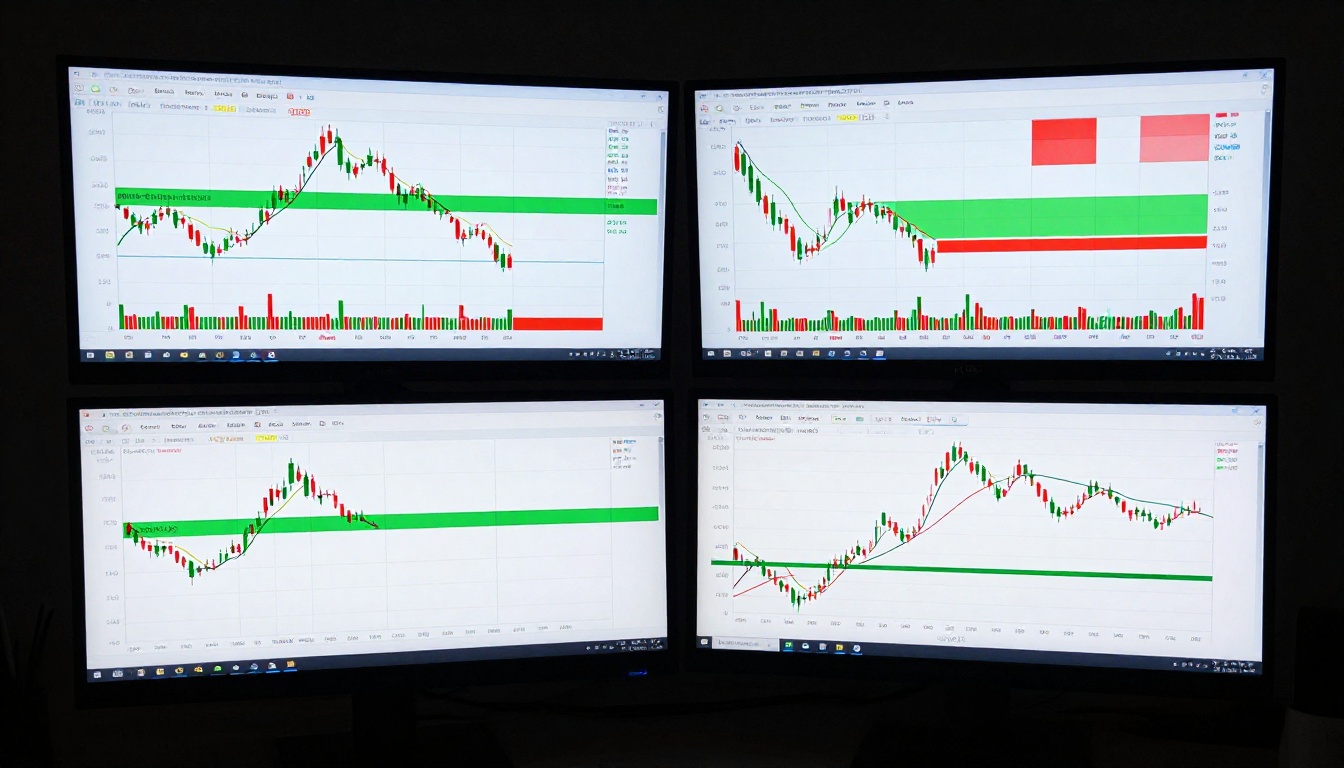

Risk-Reward Ratios: How to Set Targets That Make Your Strategy Profitable

Risk-Reward Ratios: How to Set Targets That Make Your Strategy Profitable

A risk-reward ratio compares how much you stand to lose on a trade to how much you stand to gain. It is arguably the most important number in your trading plan, because it determines whether your strategy can survive a normal losing streak.

Trading the News: How Economic Events Move Forex and What to Do About It

Trading the News: How Economic Events Move Forex and What to Do About It

Every month, a handful of economic data releases move the forex market more in five minutes than most sessions move in five days. Non-Farm Payrolls, CPI prints, and central bank rate decisions create violent spikes, whipsaws, and trend shifts that can make or break a trading account.

What Is a CFD? How Contracts for Difference Work and When to Use Them

What Is a CFD? How Contracts for Difference Work and When to Use Them

A CFD is a contract between you and your broker to exchange the difference in an asset's price from when you open the trade to when you close it. You never own the underlying asset. That single distinction shapes everything about how CFDs work, what they cost, and why regulators treat them differently from traditional investing.