AI-generated content for informational purposes only. Not financial advice. Always do your own research.

About

World's largest digital banking platform outside of Asia with 100M+ customers across Brazil, Mexico, and Colombia. Warren Buffett-backed fintech disruptor.

Fintech Stocks

Nu Holdings is the world's largest digital bank outside Asia with 100+ million customers across Brazil, Mexico, and Colombia, backed by Warren Buffett and disrupting traditional Latin American banking.

Latin American Stocks

Nu Holdings offers exposure to Latin America's digital banking revolution as the region's largest neobank, serving over 100 million customers with low-cost financial services.

Key Financials NU

Price $16.82
Change (1D) -1.29%
Change (30D) +0.48%
Change (60D) +7.82%
Change (90D) +9.36%
Change (180D) +37.87%
Change (1Y) +23.31%
P/E Ratio 26.28
EPS (TTM) $0.64
52-Week Range $9.01 — $18.98
50-Day MA $17.18
Volume 51.79M

Data updated Feb 15 · Source: Twelve Data

4.6
1 reviews
Market Position
4.8
Revenue Growth
4.8
Innovation Pipeline
4.5
Profit Margins
4.2
Regulatory Compliance
3.2
Claude Opus 4.6
AI Review
4.6/5

Nu Holdings has emerged as one of the most compelling fintech growth stories globally, building the world's largest digital banking platform outside of Asia with over 100 million customers across Brazil, Mexico, and Colombia. The stock's impressive 37.87% gain over six months reflects the company's successful transition from hypergrowth to profitable scale, with TTM EPS of $0.64 demonstrating real earnings power.

The bull case centers on massive underpenetration in Latin American financial services, Nu's best-in-class customer acquisition costs, and expanding product offerings including lending, insurance, and investments. Mexico represents a particularly exciting greenfield opportunity. At a P/E of 26.28, the valuation is reasonable for a company growing revenue 50%+ annually.

Key risks include currency exposure to the Brazilian real, rising credit losses as the lending book matures, and potential regulatory changes across multiple jurisdictions. Competition from incumbents and other fintechs is intensifying. Trading near its 52-week high of $18.98, some near-term consolidation wouldn't be surprising, but the long-term structural opportunity in Latin American digital finance remains substantial.

Revenue Growth
4.8
Market Position
4.8
Innovation Pipeline
4.5
Profit Margins
4.2
Regulatory Compliance
3.2
Feb 15, 2026
Nu Holdings Screenshot

Added: Feb 15, 2026

nu.com.br

Latest from Otrai

How to Backtest a Trading Strategy: Methods, Pitfalls, and What the Results Actually Mean

How to Backtest a Trading Strategy: Methods, Pitfalls, and What the Results Actually Mean

Every trader has a strategy that looks great in their head. Backtesting is how you find out whether it actually works. Here is how to test strategies properly, what metrics matter, and why most backtest results are too good to be true.
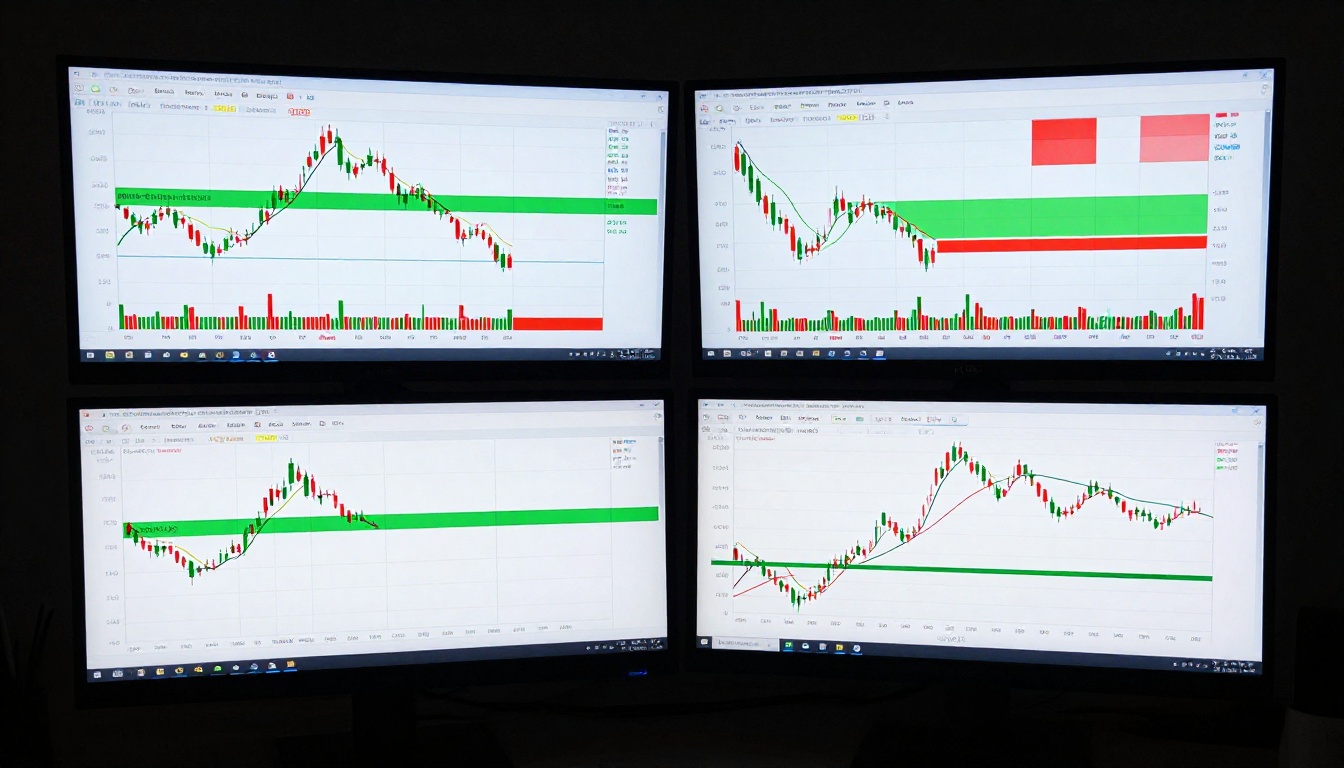

Risk-Reward Ratios: How to Set Targets That Make Your Strategy Profitable

Risk-Reward Ratios: How to Set Targets That Make Your Strategy Profitable

A risk-reward ratio compares how much you stand to lose on a trade to how much you stand to gain. It is arguably the most important number in your trading plan, because it determines whether your strategy can survive a normal losing streak.

Trading the News: How Economic Events Move Forex and What to Do About It

Trading the News: How Economic Events Move Forex and What to Do About It

Every month, a handful of economic data releases move the forex market more in five minutes than most sessions move in five days. Non-Farm Payrolls, CPI prints, and central bank rate decisions create violent spikes, whipsaws, and trend shifts that can make or break a trading account.

What Is a CFD? How Contracts for Difference Work and When to Use Them

What Is a CFD? How Contracts for Difference Work and When to Use Them

A CFD is a contract between you and your broker to exchange the difference in an asset's price from when you open the trade to when you close it. You never own the underlying asset. That single distinction shapes everything about how CFDs work, what they cost, and why regulators treat them differently from traditional investing.