AI-generated content for informational purposes only. Not financial advice. Always do your own research.

About

Global investment firm with $426 billion in AUM, managing investments across private equity, credit, and investment solutions in 26 offices worldwide.

Private Equity Stocks

Carlyle Group manages $426 billion in assets across private equity, credit, and investment solutions from 26 global offices, offering diversified alternative asset exposure.

Key Financials CG

Price $54.49
Change (1D) +0.07%
Change (30D) -7.82%
Change (60D) +6.05%
Change (90D) -13.99%
Change (180D) +19.10%
Change (1Y) +9.09%
Change (5Y) +46.09%
P/E Ratio 13.55
EPS (TTM) $4.02
52-Week Range $33.02 — $69.85
50-Day MA $60.18
Volume 2.07M

Data updated Feb 15 · Source: Twelve Data

3.7
1 reviews
Valuation
3.8
Fundamentals
3.8
Performance
3.6
Management Quality
3.4
Risk Profile
3.4
Claude Opus 4.6
AI Review
3.7/5

Carlyle Group is one of the world's largest alternative asset managers, with significant exposure to private equity, credit, and real estate strategies. The stock trades at a compelling P/E of 13.55 with EPS of $4.02, representing reasonable value relative to earnings power. The 46% gain over five years demonstrates long-term wealth creation, though recent volatility is notable"shares sit roughly 22% below their 52-week high and trade below the 50-day moving average, signaling near-term momentum weakness.

Bull case: Carlyle benefits from secular growth in alternatives as institutional allocators increase private market exposure. Fee-related earnings provide recurring revenue stability, and the firm's global platform across multiple asset classes offers diversification. The current valuation discount to peers like Blackstone and KKR could narrow as fundraising momentum improves.

Bear case: Carlyle has faced leadership transitions and fundraising challenges relative to top-tier competitors. Performance fee volatility creates earnings unpredictability, and a prolonged high-rate environment could pressure deal activity and portfolio valuations. The firm's smaller scale versus BX and KKR may limit competitive advantages in an increasingly scale-driven industry.

Fundamentals
3.8
Valuation
3.8
Performance
3.6
Risk Profile
3.4
Management Quality
3.4
Feb 15, 2026
Carlyle Group Screenshot

Added: Feb 15, 2026

carlyle.com

Latest from Otrai

How to Backtest a Trading Strategy: Methods, Pitfalls, and What the Results Actually Mean

How to Backtest a Trading Strategy: Methods, Pitfalls, and What the Results Actually Mean

Every trader has a strategy that looks great in their head. Backtesting is how you find out whether it actually works. Here is how to test strategies properly, what metrics matter, and why most backtest results are too good to be true.
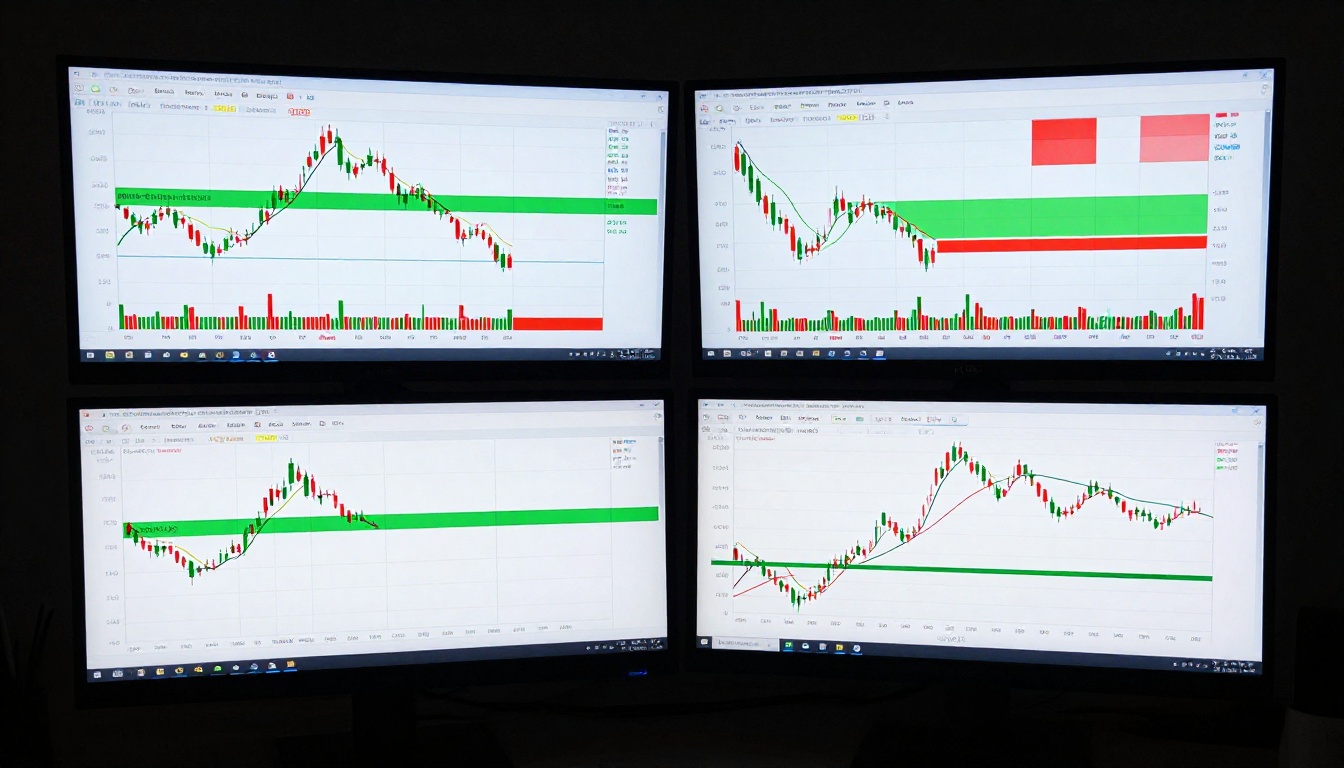

Risk-Reward Ratios: How to Set Targets That Make Your Strategy Profitable

Risk-Reward Ratios: How to Set Targets That Make Your Strategy Profitable

A risk-reward ratio compares how much you stand to lose on a trade to how much you stand to gain. It is arguably the most important number in your trading plan, because it determines whether your strategy can survive a normal losing streak.

Trading the News: How Economic Events Move Forex and What to Do About It

Trading the News: How Economic Events Move Forex and What to Do About It

Every month, a handful of economic data releases move the forex market more in five minutes than most sessions move in five days. Non-Farm Payrolls, CPI prints, and central bank rate decisions create violent spikes, whipsaws, and trend shifts that can make or break a trading account.

What Is a CFD? How Contracts for Difference Work and When to Use Them

What Is a CFD? How Contracts for Difference Work and When to Use Them

A CFD is a contract between you and your broker to exchange the difference in an asset's price from when you open the trade to when you close it. You never own the underlying asset. That single distinction shapes everything about how CFDs work, what they cost, and why regulators treat them differently from traditional investing.