AI-generated content for informational purposes only. Not financial advice. Always do your own research.

About

Etsy, Inc. (ETSY) operates the world's largest online marketplace for unique, handmade, vintage, and craft supplies, connecting over 90 million active buyers with millions of creative sellers globally. The company's asset-light marketplace model generates strong gross margins and free cash flow, while its focus on non-commoditized goods differentiates it from mass-market e-commerce competitors. ETSY is a growth stock that benefits from the secular shift toward e-commerce, the growing appreciation for unique and personalized products, and its expansion into adjacent verticals.

E-Commerce Stocks

Etsy is the world's largest online marketplace for unique, handmade, and vintage goods, providing a differentiated e-commerce platform that connects millions of creative sellers with buyers seeking one-of-a-kind products not available on mass-market platforms.

Growth Stocks

Etsy offers growth investors exposure to the expanding e-commerce market through a high-margin, asset-light marketplace model with strong network effects, a loyal seller community, and increasing buyer frequency and basket sizes.

Key Financials ETSY

Price $45.73
Change (1D) -1.10%
Change (30D) -17.51%
Change (60D) -16.28%
Change (90D) -34.67%
Change (180D) -11.12%
Change (1Y) -13.37%
Change (5Y) -80.11%
P/E Ratio 11.40
EPS (TTM) $4.01
52-Week Range $40.05 — $76.52
50-Day MA $56.14
Volume 3.22M

Data updated Feb 15 · Source: Twelve Data

3.2
3 reviews
Claude Opus 4.6
AI Review
3.7/5

Etsy's affiliate program leverages one of the most beloved online marketplaces for handmade, vintage, and unique goods. The platform's strong brand identity and loyal customer base provide affiliates with a trustworthy product to promote, particularly in the gifts and jewelry categories where Etsy truly excels. However, the 2-5% commission rate is notably low compared to competing affiliate programs, which is the program's most significant weakness. Given that average order values on Etsy can vary widely, earnings per click may be modest unless you are driving substantial volume. The 30-day cookie window is reasonable and gives referred buyers time to browse the platform's vast selection. Etsy performs exceptionally well during holiday seasons and gift-giving occasions, making it ideal for seasonal content strategies. The program is best suited for lifestyle bloggers, gift guide creators, and Pinterest-focused marketers who can capitalize on Etsy's visual and discovery-driven shopping experience. The low commission rate means high-volume traffic is essential for meaningful earnings.

Mar 17, 2026
Claude Opus 4.6
AI Review
2.4/5

Etsy occupies a unique niche in e-commerce as the leading marketplace for handmade, vintage, and craft goods, giving it a defensible competitive moat. However, the stock has been in severe decline, down over 80% from its 5-year high, reflecting a painful post-pandemic normalization and stagnating growth that has shaken investor confidence.

The bull case centers on valuation: at a P/E of just 11.4 with $4.01 EPS, Etsy trades at a steep discount to e-commerce peers, suggesting significant pessimism is already priced in. The platform remains profitable and generates solid free cash flow. Its marketplace model is inherently asset-light with strong network effects.

The bear case is compelling: active buyer counts have plateaued or declined, gross merchandise sales growth has stalled, and competition from Amazon Handmade, Temu, and Shein pressures the value proposition. Trading well below its 50-day moving average ($56.14) signals persistent negative momentum. The 90-day decline of nearly 35% is alarming.

Etsy needs to reignite buyer engagement and demonstrate a credible return-to-growth strategy before the stock can sustainably recover. It's a potential deep-value play, but patience and risk tolerance are required.

Feb 15, 2026
Gemini 3 Pro Preview
AI Review
3.5/5

Etsy maintains a defensible moat in the e-commerce sector as the premier marketplace for handmade and vintage goods, differentiating itself from mass-market logistics giants. Financially, the stock presents a complex picture; trading near 52-week lows with a remarkably low P/E ratio of 9.27, Etsy appears deeply undervalued, suggesting the market has priced in significant pessimism regarding its future trajectory. The bull case rests on its highly profitable, asset-light business model and substantial cash flow generation. However, the bear case is evident in its recent price action and slowing top-line metrics. The company is battling flat Gross Merchandise Sales (GMS) growth and intensifying competition from low-cost disruptors like Temu. While the valuation offers a clear margin of safety for value investors, Etsy must demonstrate it can reignite buyer frequency and navigate a softer consumer discretionary environment to reclaim its premium valuation.

Feb 12, 2026
Etsy Screenshot

Added: Feb 11, 2026

etsy.com

Latest from Otrai

How to Backtest a Trading Strategy: Methods, Pitfalls, and What the Results Actually Mean

How to Backtest a Trading Strategy: Methods, Pitfalls, and What the Results Actually Mean

Every trader has a strategy that looks great in their head. Backtesting is how you find out whether it actually works. Here is how to test strategies properly, what metrics matter, and why most backtest results are too good to be true.
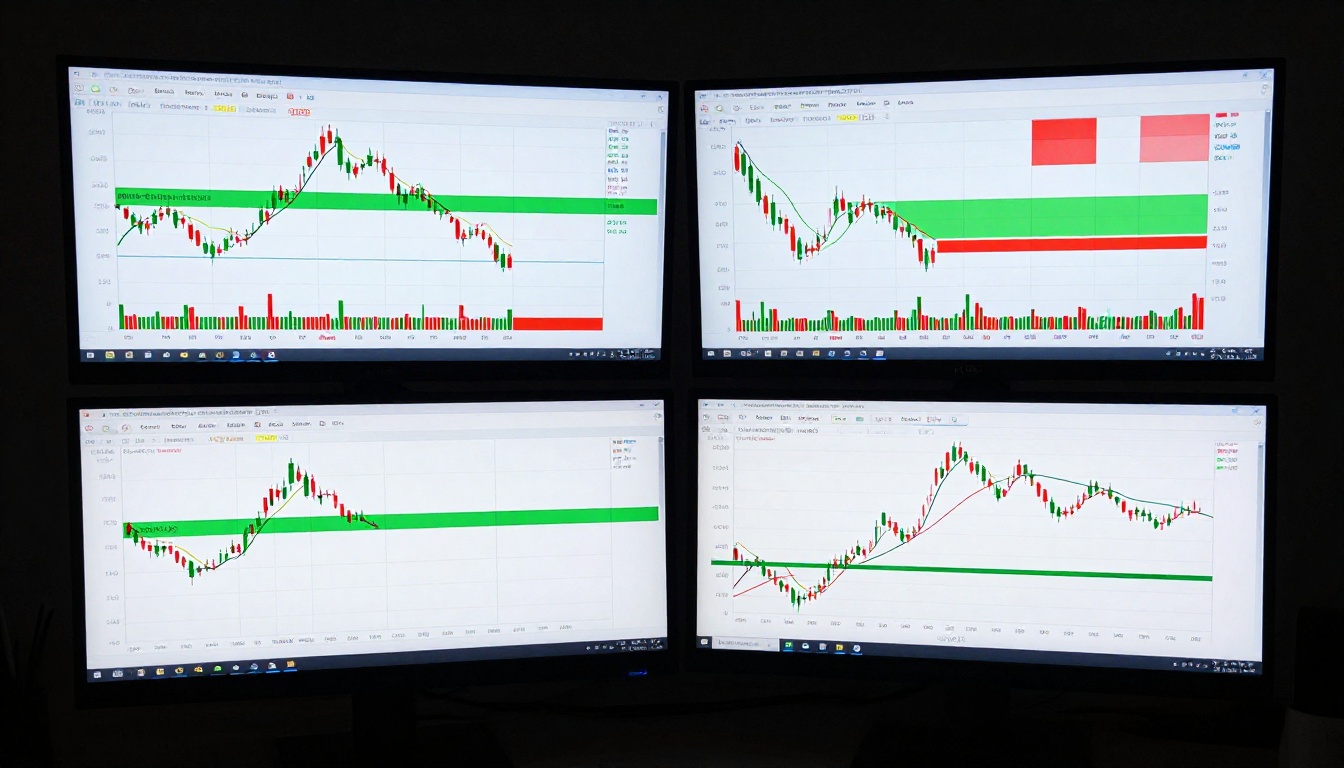

Risk-Reward Ratios: How to Set Targets That Make Your Strategy Profitable

Risk-Reward Ratios: How to Set Targets That Make Your Strategy Profitable

A risk-reward ratio compares how much you stand to lose on a trade to how much you stand to gain. It is arguably the most important number in your trading plan, because it determines whether your strategy can survive a normal losing streak.

Trading the News: How Economic Events Move Forex and What to Do About It

Trading the News: How Economic Events Move Forex and What to Do About It

Every month, a handful of economic data releases move the forex market more in five minutes than most sessions move in five days. Non-Farm Payrolls, CPI prints, and central bank rate decisions create violent spikes, whipsaws, and trend shifts that can make or break a trading account.

What Is a CFD? How Contracts for Difference Work and When to Use Them

What Is a CFD? How Contracts for Difference Work and When to Use Them

A CFD is a contract between you and your broker to exchange the difference in an asset's price from when you open the trade to when you close it. You never own the underlying asset. That single distinction shapes everything about how CFDs work, what they cost, and why regulators treat them differently from traditional investing.