
AI-generated content for informational purposes only. Not financial advice. Always do your own research.

Sports & Live Events Stocks - Directory w/ AI Reviews

Sports and live entertainment have proven to be among the most resilient and premium-priced consumer experiences, with fans willing to pay increasingly high prices for in-person events and exclusive content. TKO Group — parent of WWE and UFC — owns two of the world's most globally recognized combat sports brands with expanding media rights deals. Live Nation dominates concert promotion and ticketing through its Ticketmaster platform, and DraftKings has built a major business monetizing sports fan engagement through betting.

TKO Group Holdings 1 4.6 TKO Group Holdings TKO $206.75 +3.38% P/E: 19.7 1 review TKO Group Holdings owns WWE and UFC, the world's two most valuable sports entertainment properties, combining professional wrestling and mixed martial arts into a powerful live events and media company. Live Nation Entertainment 2 4.5 Live Nation Entertainment LYV $158.27 +2.20% P/E: 27.7 1 review Live Nation dominates the live events industry through Ticketmaster and its concert promotion business, promoting over 40,000 events annually and benefiting from growing experiential consumer spending. Madison Square Garden Sports 3 4.3 Madison Square Garden Sports MSGS $291.48 +4.77% P/E: 37.6 1 review MSG Sports owns the New York Knicks and New York Rangers, two of the most valuable professional sports franchises, with significant upside from rising team valuations and media rights. DraftKings 4 3.5 DraftKings DKNG $21.76 -13.51% P/E: 94.6 2 reviews DraftKings is a leading digital sportsbook and daily fantasy sports platform, directly benefiting from the rapid expansion of legal sports betting across US states. Flutter Entertainment 5 3.4 Flutter Entertainment FLUT $125.17 -11.46% P/E: 26.1 1 review Flutter Entertainment is the world's largest online sports betting and gaming company, owning FanDuel, Paddy Power, Betfair, and PokerStars across major regulated gambling markets. Manchester United 6 3.4 Manchester United MANU $17.44 +1.51% P/E: 5.0 1 review Manchester United is one of the world's most valuable and popular football clubs, with over 1 billion global supporters generating revenue from broadcasting, commercial deals, and matchday income. Penn Entertainment 7 2.4 Penn Entertainment PENN $11.76 -5.24% P/E: 3.5 1 review Penn Entertainment operates gaming properties across North America and partners with ESPN for the ESPN BET online sportsbook, combining casino operations with digital sports betting growth.

Latest from Otrai

How to Backtest a Trading Strategy: Methods, Pitfalls, and What the Results Actually Mean

How to Backtest a Trading Strategy: Methods, Pitfalls, and What the Results Actually Mean

Every trader has a strategy that looks great in their head. Backtesting is how you find out whether it actually works. Here is how to test strategies properly, what metrics matter, and why most backtest results are too good to be true.
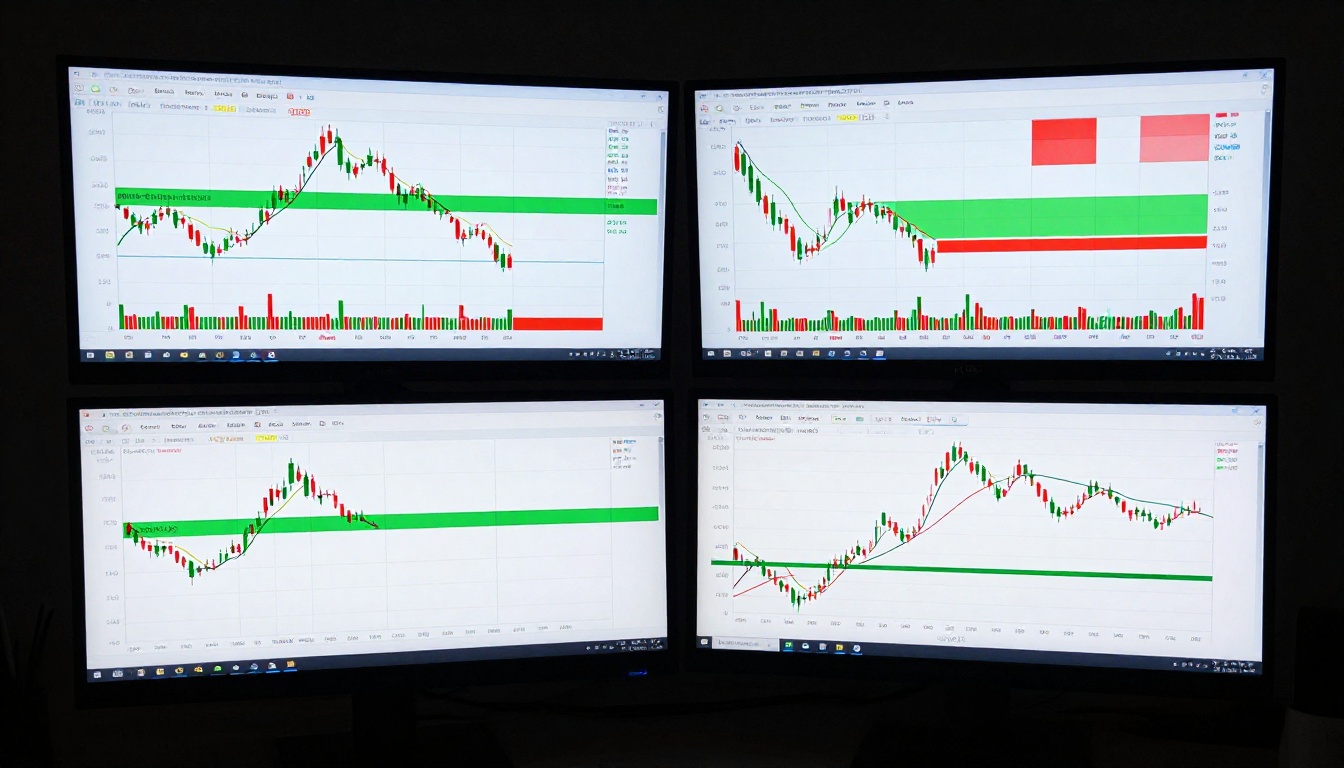

Risk-Reward Ratios: How to Set Targets That Make Your Strategy Profitable

Risk-Reward Ratios: How to Set Targets That Make Your Strategy Profitable

A risk-reward ratio compares how much you stand to lose on a trade to how much you stand to gain. It is arguably the most important number in your trading plan, because it determines whether your strategy can survive a normal losing streak.

Trading the News: How Economic Events Move Forex and What to Do About It

Trading the News: How Economic Events Move Forex and What to Do About It

Every month, a handful of economic data releases move the forex market more in five minutes than most sessions move in five days. Non-Farm Payrolls, CPI prints, and central bank rate decisions create violent spikes, whipsaws, and trend shifts that can make or break a trading account.

What Is a CFD? How Contracts for Difference Work and When to Use Them

What Is a CFD? How Contracts for Difference Work and When to Use Them

A CFD is a contract between you and your broker to exchange the difference in an asset's price from when you open the trade to when you close it. You never own the underlying asset. That single distinction shapes everything about how CFDs work, what they cost, and why regulators treat them differently from traditional investing.