AI-generated content for informational purposes only. Not financial advice. Always do your own research.

Reshoring Stocks - Directory w/ AI Reviews

Reshoring — the trend of bringing manufacturing back to domestic soil after decades of offshoring — has gained significant political and economic momentum. Semiconductor investments under the CHIPS Act are driving TSMC and Intel to build foundries in the US, while Applied Materials supplies the equipment for domestic chip production. Caterpillar and Nucor benefit from domestic infrastructure investment, and NVIDIA's dominance ensures demand for US-produced chips that power AI infrastructure.

Nucor Corporation 1 4.9 Nucor Corporation NUE $183.23 -2.96% P/E: 24.2 2 reviews Nucor is the largest US steel producer and a pioneer of electric arc furnace steelmaking, directly benefiting from reshoring trends driving domestic manufacturing and construction demand. Applied Materials 2 4.8 Applied Materials AMAT $354.91 +8.08% P/E: 49.8 2 reviews Applied Materials stands to benefit significantly from semiconductor reshoring as new US and allied-nation chip fabrication plants drive demand for its industry-leading manufacturing equipment. Intel 3 4.7 Intel INTC $46.79 +0.67% P/E: 20.8 2 reviews Intel is the largest beneficiary of US semiconductor reshoring incentives, building massive new chip fabrication plants in Ohio and Arizona to reduce dependence on Asian manufacturing. Rockwell Automation 4 4.6 Rockwell Automation ROK $394.37 +3.24% P/E: 17.0 2 reviews Rockwell Automation is the world's largest company dedicated to industrial automation, directly benefiting from reshoring trends as manufacturers invest in modern US production facilities. TSMC 5 4.6 TSMC TSM $366.36 -0.47% P/E: 34.4 2 reviews TSMC is the world's largest semiconductor foundry and a centerpiece of the reshoring debate, building major new fabs in Arizona to diversify production away from Taiwan. Caterpillar 6 4.4 Caterpillar CAT $774.20 +2.10% P/E: 40.9 2 reviews Caterpillar benefits from US reshoring and infrastructure legislation as the world's leading heavy equipment manufacturer, supplying machines for new domestic manufacturing and construction projects. AMD 7 3.8 AMD AMD $207.32 +0.67% 2 reviews AMD benefits from semiconductor reshoring initiatives as a major US-headquartered chip designer expanding domestic partnerships amid global supply chain realignment. Builders FirstSource 8 3.8 Builders FirstSource BLDR $114.73 -4.84% P/E: 18.1 1 review Builders FirstSource benefits from domestic reshoring trends as the largest US supplier of residential building products, positioned to capture demand from onshore manufacturing facility construction. NVIDIA 9 3.8 NVIDIA NVDA $182.81 -2.21% P/E: 32.5 2 reviews Nvidia benefits from semiconductor reshoring as demand for US-designed AI chips drives new domestic packaging and manufacturing partnerships.

Latest from Otrai

How to Backtest a Trading Strategy: Methods, Pitfalls, and What the Results Actually Mean

How to Backtest a Trading Strategy: Methods, Pitfalls, and What the Results Actually Mean

Every trader has a strategy that looks great in their head. Backtesting is how you find out whether it actually works. Here is how to test strategies properly, what metrics matter, and why most backtest results are too good to be true.
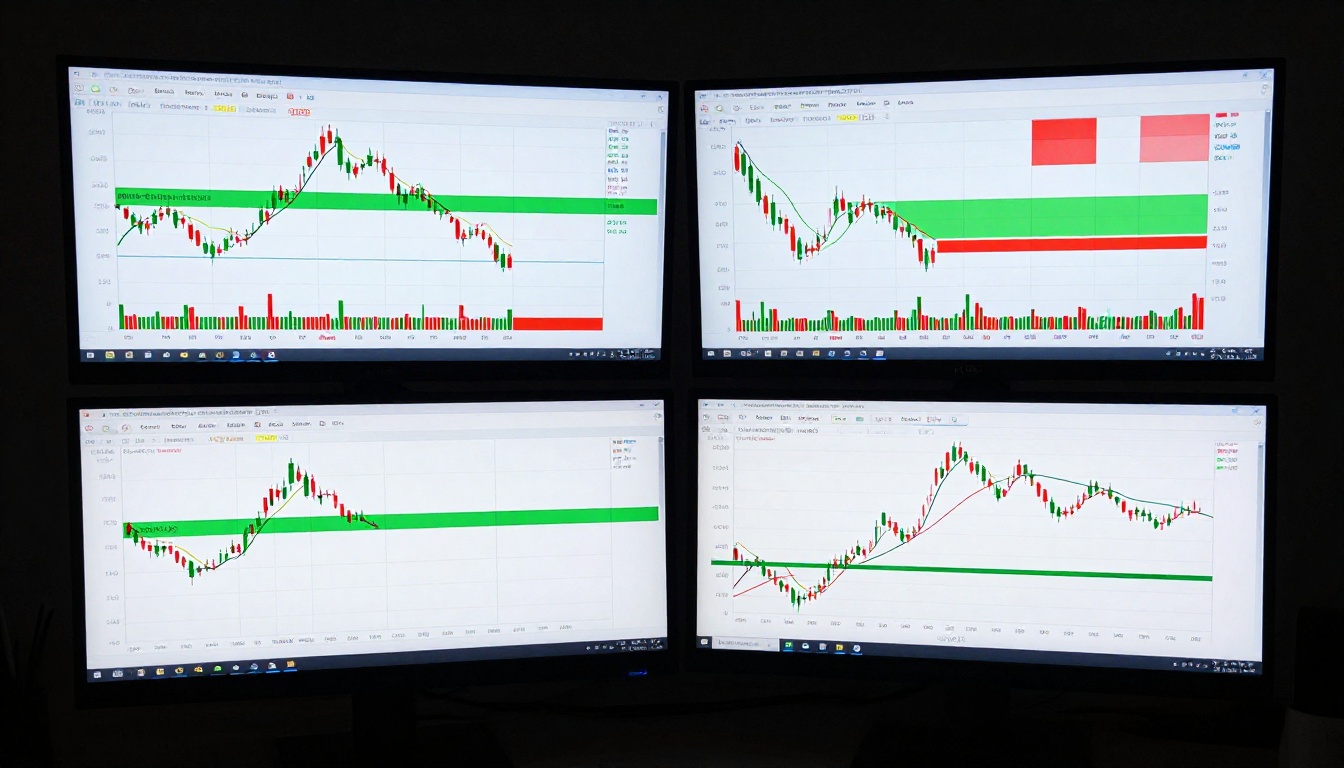

Risk-Reward Ratios: How to Set Targets That Make Your Strategy Profitable

Risk-Reward Ratios: How to Set Targets That Make Your Strategy Profitable

A risk-reward ratio compares how much you stand to lose on a trade to how much you stand to gain. It is arguably the most important number in your trading plan, because it determines whether your strategy can survive a normal losing streak.

Trading the News: How Economic Events Move Forex and What to Do About It

Trading the News: How Economic Events Move Forex and What to Do About It

Every month, a handful of economic data releases move the forex market more in five minutes than most sessions move in five days. Non-Farm Payrolls, CPI prints, and central bank rate decisions create violent spikes, whipsaws, and trend shifts that can make or break a trading account.

What Is a CFD? How Contracts for Difference Work and When to Use Them

What Is a CFD? How Contracts for Difference Work and When to Use Them

A CFD is a contract between you and your broker to exchange the difference in an asset's price from when you open the trade to when you close it. You never own the underlying asset. That single distinction shapes everything about how CFDs work, what they cost, and why regulators treat them differently from traditional investing.