AI-generated content for informational purposes only. Not financial advice. Always do your own research.

Oil and Gas Stocks - Directory w/ AI Reviews

Oil and gas companies extract, refine, and distribute the fossil fuels that still supply the majority of the world's energy. ExxonMobil and Chevron are the dominant US integrated majors with operations spanning upstream production to downstream refining and chemical manufacturing. Shell and TotalEnergies represent the European integrated oil model, each investing in both continued hydrocarbon production and a long-term pivot toward renewables and low-carbon energy.

ExxonMobil 1 4.8 ExxonMobil XOM $148.45 -0.99% P/E: 21.2 2 reviews ExxonMobil is the flagship oil and gas stock, representing the largest integrated energy company with operations spanning exploration, production, refining, and chemicals. Its unmatched scale, low-cost production assets, and decades of consecutive dividend payments make it the anchor holding in any ConocoPhillips 2 4.6 ConocoPhillips COP $111.43 +0.54% P/E: 20.8 2 reviews ConocoPhillips is the largest independent pure-play exploration and production oil and gas stock, offering focused upstream exposure without refining or chemical operations. Its deep low-cost drilling inventory, variable return of capital framework, and disciplined approach to production growth make TotalEnergies 3 4.6 TotalEnergies TTE $76.79 +0.88% P/E: 15.1 1 review TotalEnergies is a French energy supermajor balancing traditional oil and gas operations with one of the industry's largest investments in renewable energy and low-carbon businesses. Chevron 4 4.5 Chevron CVX $183.74 +0.73% P/E: 22.9 2 reviews Chevron is a premier integrated oil and gas stock with a strong upstream portfolio, growing LNG exposure, and disciplined capital returns. Its fortress balance sheet, reliable dividend growth, and strategic asset base make it a cornerstone position for investors in the oil and gas sector. Shell plc 5 4.4 Shell plc SHEL $78.77 +0.70% P/E: 9.3 1 review Shell is one of the world's largest integrated energy companies, operating across oil and gas exploration, LNG production, renewables, and power trading with global reach. Pembina Pipeline 6 4.2 Pembina Pipeline PBA 1 review Pembina Pipeline operates Canadian energy infrastructure including pipelines, processing facilities, and storage assets, generating reliable cash flows from long-term take-or-pay contracts. Petrobras 7 4.1 Petrobras PBR $15.19 -0.39% P/E: 3.3 1 review Petrobras is Brazil's state-controlled oil giant with massive deepwater pre-salt reserves, offering high dividend yields and exposure to one of the world's largest oil production portfolios.

Latest from Otrai

How to Backtest a Trading Strategy: Methods, Pitfalls, and What the Results Actually Mean

How to Backtest a Trading Strategy: Methods, Pitfalls, and What the Results Actually Mean

Every trader has a strategy that looks great in their head. Backtesting is how you find out whether it actually works. Here is how to test strategies properly, what metrics matter, and why most backtest results are too good to be true.
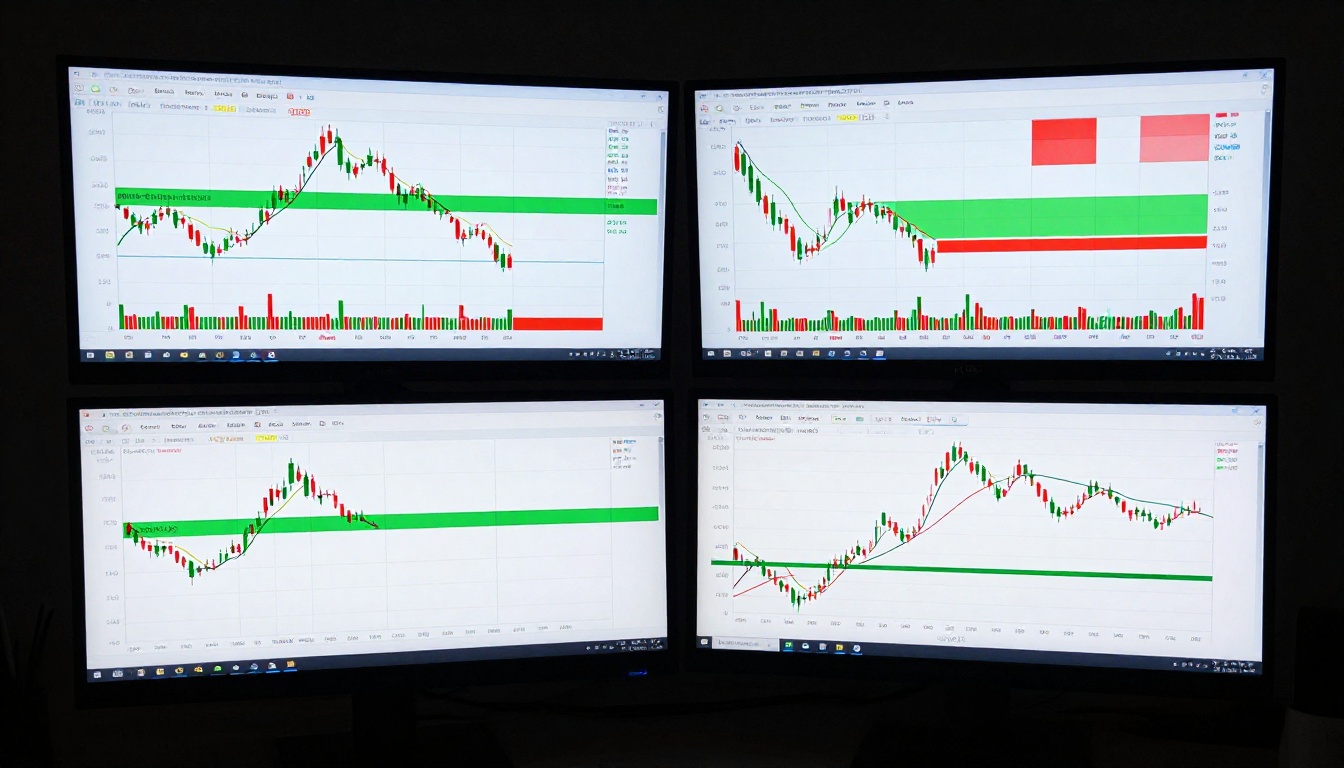

Risk-Reward Ratios: How to Set Targets That Make Your Strategy Profitable

Risk-Reward Ratios: How to Set Targets That Make Your Strategy Profitable

A risk-reward ratio compares how much you stand to lose on a trade to how much you stand to gain. It is arguably the most important number in your trading plan, because it determines whether your strategy can survive a normal losing streak.

Trading the News: How Economic Events Move Forex and What to Do About It

Trading the News: How Economic Events Move Forex and What to Do About It

Every month, a handful of economic data releases move the forex market more in five minutes than most sessions move in five days. Non-Farm Payrolls, CPI prints, and central bank rate decisions create violent spikes, whipsaws, and trend shifts that can make or break a trading account.

What Is a CFD? How Contracts for Difference Work and When to Use Them

What Is a CFD? How Contracts for Difference Work and When to Use Them

A CFD is a contract between you and your broker to exchange the difference in an asset's price from when you open the trade to when you close it. You never own the underlying asset. That single distinction shapes everything about how CFDs work, what they cost, and why regulators treat them differently from traditional investing.