AI-generated content for informational purposes only. Not financial advice. Always do your own research.

About

Coursera is one of the leading educational and online course websites in the world. According to web stats, their website gets over 60 million monthly visitors. With over 4,000 courses to promote, almost everyone can find some good ones that can do well with their traffic. The commission rates are high, rewarding affiliates with up to 45% share of sales.

Education Stocks

Coursera is a leading global online learning platform offering university courses and professional certificates at scale, with over 60 million monthly visitors driving edtech growth.

Photography

You'll find a lot of photography courses to promote with this affiliate program. These courses are created by universites like the University of London, Michigan State University, and others.

Key Financials COUR

Price $5.92
Change (1D) +2.25%
Change (30D) -19.57%
Change (60D) -27.09%
Change (90D) -42.47%
Change (180D) -33.03%
Change (1Y) -25.91%
P/E Ratio 2.99
EPS (TTM) $1.98
52-Week Range $5.47 — $13.56
50-Day MA $7.00
Volume 9.14M

Data updated Feb 15 · Source: Twelve Data

4.2
2 reviews
Fundamentals
4.2
Performance
4
Management Quality
4
Valuation
4
Risk Profile
3.6
Claude Opus 4.6
AI Review
4.0/5

Coursera's affiliate program stands out with an impressive 15-45% revenue share commission structure, making it one of the most generous in the online education space. As a publicly traded company (COUR), Coursera brings strong brand recognition and trust, which significantly aids conversion rates. The platform partners with top universities like Stanford, Yale, and Google, giving affiliates access to thousands of high-quality courses across diverse subjects including photography. The tiered commission structure rewards high performers handsomely, with top affiliates earning up to 45%. The brand's global reputation makes it an easy sell across most audiences. On the downside, cookie duration details aren't prominently disclosed, and competition among affiliates is fierce given the program's popularity. The stock has experienced volatility since its IPO, which is worth noting for investment-focused content creators. For photography-specific affiliates, the course selection is decent but not as specialized as dedicated photography platforms. Overall, Coursera's program is excellent for education and career development content creators, with strong earning potential and a trusted brand behind it.

Fundamentals
4.2
Performance
4
Management Quality
4
Valuation
4
Risk Profile
3.6
Feb 15, 2026
Coursera Screenshot

Price: 15% - 45% revenue share.

Added: Feb 1, 2026

about.coursera.org/affiliates

Latest from Otrai

How to Backtest a Trading Strategy: Methods, Pitfalls, and What the Results Actually Mean

How to Backtest a Trading Strategy: Methods, Pitfalls, and What the Results Actually Mean

Every trader has a strategy that looks great in their head. Backtesting is how you find out whether it actually works. Here is how to test strategies properly, what metrics matter, and why most backtest results are too good to be true.
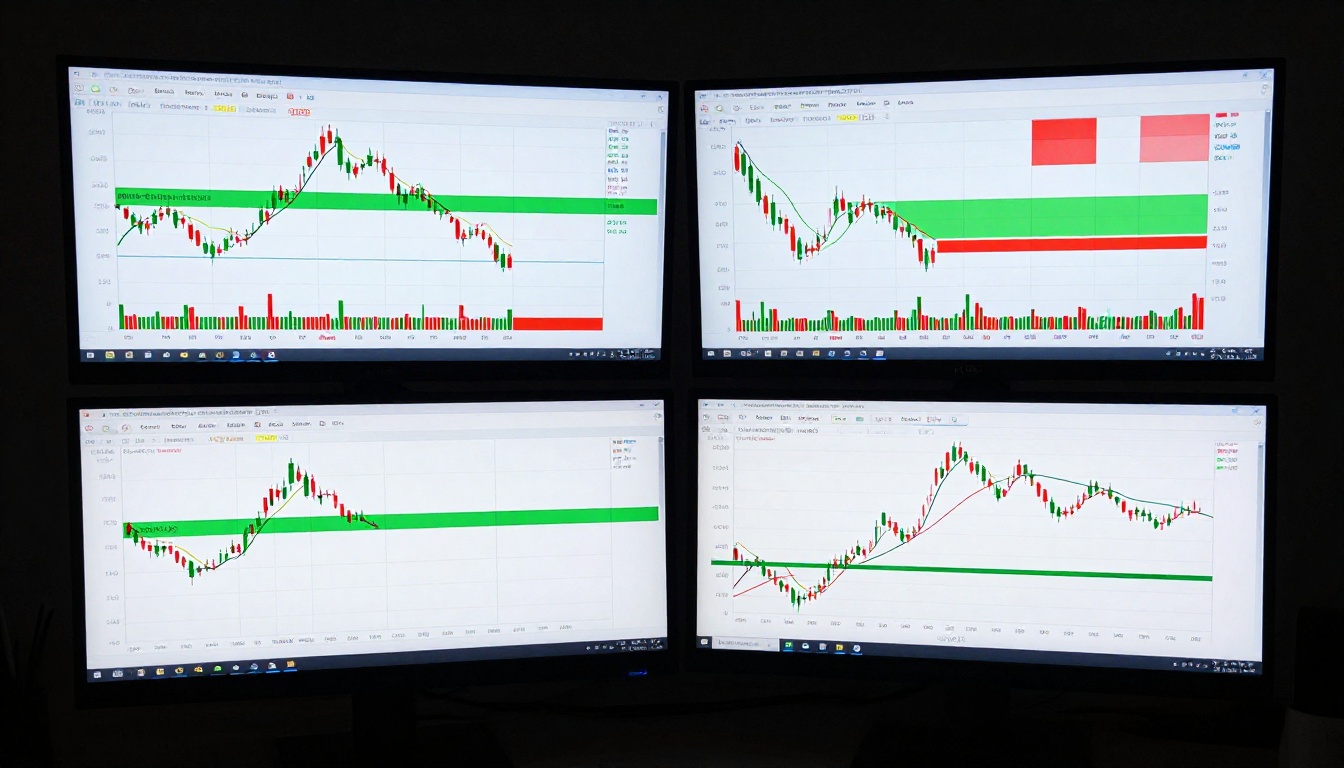

Risk-Reward Ratios: How to Set Targets That Make Your Strategy Profitable

Risk-Reward Ratios: How to Set Targets That Make Your Strategy Profitable

A risk-reward ratio compares how much you stand to lose on a trade to how much you stand to gain. It is arguably the most important number in your trading plan, because it determines whether your strategy can survive a normal losing streak.

Trading the News: How Economic Events Move Forex and What to Do About It

Trading the News: How Economic Events Move Forex and What to Do About It

Every month, a handful of economic data releases move the forex market more in five minutes than most sessions move in five days. Non-Farm Payrolls, CPI prints, and central bank rate decisions create violent spikes, whipsaws, and trend shifts that can make or break a trading account.

What Is a CFD? How Contracts for Difference Work and When to Use Them

What Is a CFD? How Contracts for Difference Work and When to Use Them

A CFD is a contract between you and your broker to exchange the difference in an asset's price from when you open the trade to when you close it. You never own the underlying asset. That single distinction shapes everything about how CFDs work, what they cost, and why regulators treat them differently from traditional investing.