AI-generated content for informational purposes only. Not financial advice. Always do your own research.

About

WisdomTree Cotton ETC tracking ICE cotton futures. Demand influenced by textile industry cycles, weather in growing regions, and synthetic fiber competition.

Commodities - Agricultural

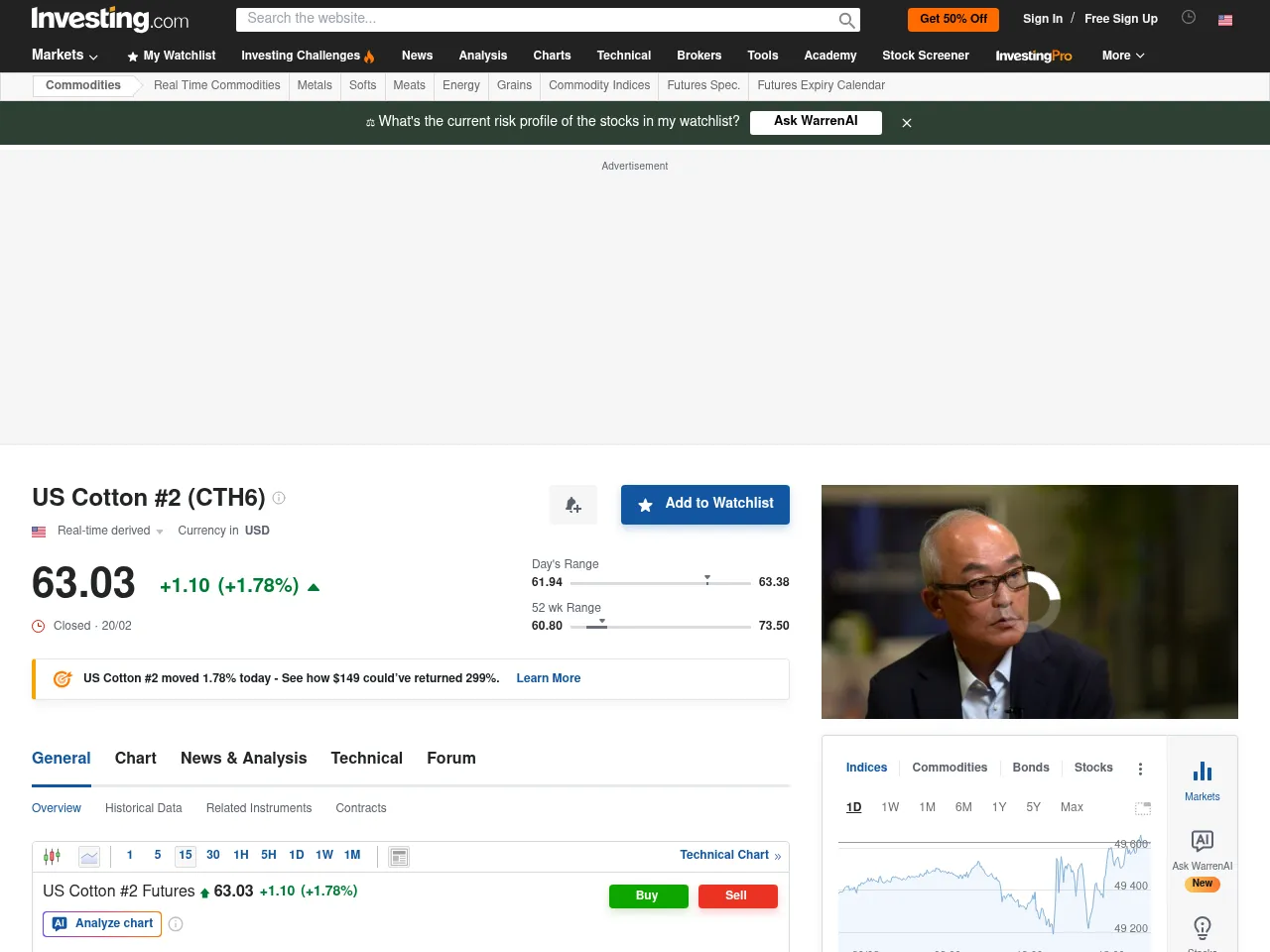
COTN tracks ICE cotton futures, with prices influenced by textile industry cycles, weather in major growing regions, and competition from synthetic fibers.

Market Data COTN

Price $2.13
Change (1D) +0.05%
Change (30D) -2.70%
Change (60D) -3.93%
Change (90D) -5.44%
Change (180D) -10.15%
Change (1Y) -13.31%
Change (5Y) -18.66%
52-Week Range $1.93 — $2.52
50-Day MA $2.19
Volume 8.3K

Data updated Feb 15 · Source: Twelve Data

2.4
1 reviews
Accessibility
2.8
Market Fundamentals
2.4
Liquidity
2.4
Volatility
2.2
Historical Performance
2
Claude Opus 4.6
AI Review
2.4/5

Cotton has been in a sustained downtrend, declining over 13% in the past year and trading well below its 52-week high of $2.52. Currently at $2.13, the price sits below its 50-day moving average of $2.19, confirming bearish momentum across all timeframes. Demand-side pressures stem from slowing global textile consumption, particularly in China and Southeast Asia, amid broader economic weakness. Strong U.S. and Brazilian harvests have kept supply ample, weighing on prices. A relatively firm U.S. dollar further pressures this dollar-denominated commodity. On the bullish side, prices are approaching the 52-week low of $1.93, suggesting potential support levels, and any weather disruptions during planting seasons could tighten supply. Seasonal demand typically picks up ahead of textile manufacturing cycles. However, synthetic fiber competition and elevated global inventories remain persistent headwinds. The relatively low trading volume of 8.3K suggests limited speculative interest. Cotton currently offers a weak risk-reward profile, though contrarian investors may find value near multi-year support levels if macroeconomic conditions stabilize.

Accessibility
2.8
Liquidity
2.4
Market Fundamentals
2.4
Volatility
2.2
Historical Performance
2
Feb 15, 2026
Cotton (COTN) Screenshot

Added: Feb 15, 2026

investing.com/commodities/us-cotton-no.2

Latest from Otrai

How to Backtest a Trading Strategy: Methods, Pitfalls, and What the Results Actually Mean

How to Backtest a Trading Strategy: Methods, Pitfalls, and What the Results Actually Mean

Every trader has a strategy that looks great in their head. Backtesting is how you find out whether it actually works. Here is how to test strategies properly, what metrics matter, and why most backtest results are too good to be true.
Risk-Reward Ratios: How to Set Targets That Make Your Strategy Profitable

Risk-Reward Ratios: How to Set Targets That Make Your Strategy Profitable

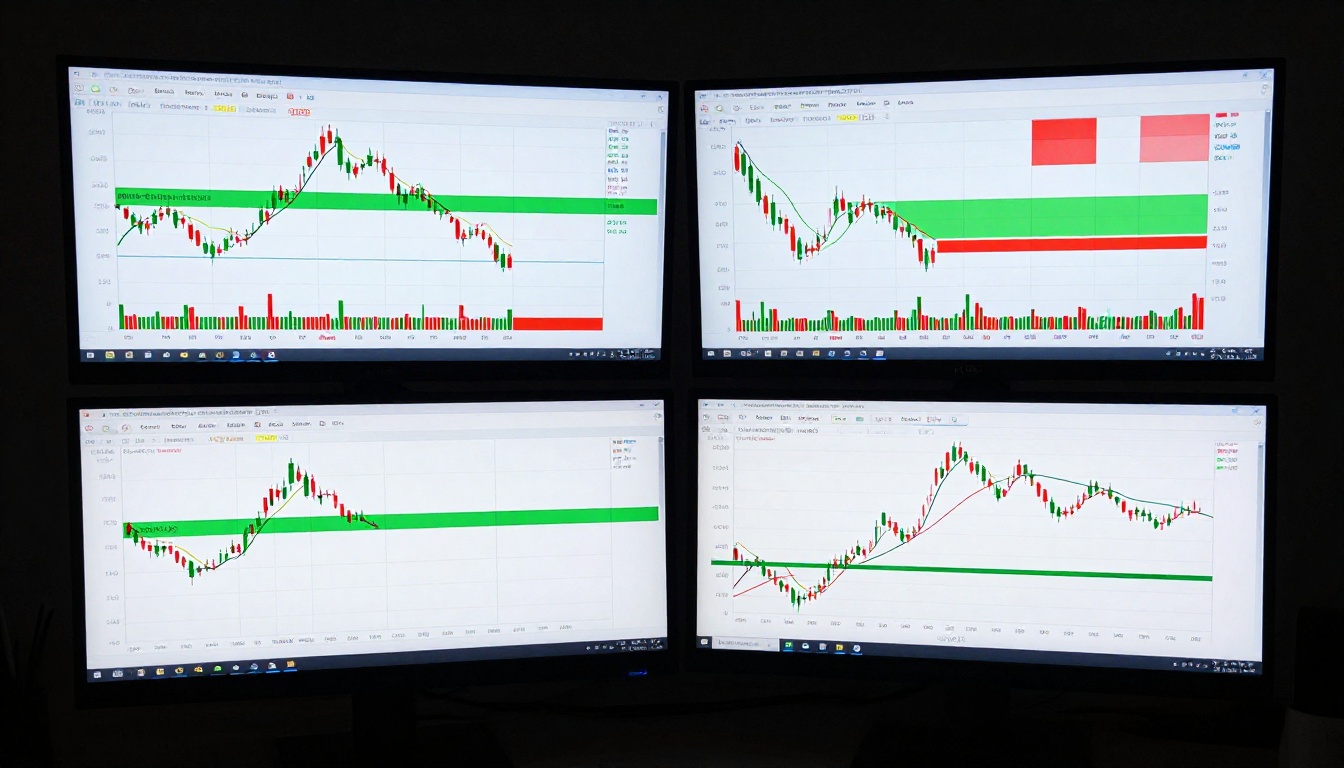
A risk-reward ratio compares how much you stand to lose on a trade to how much you stand to gain. It is arguably the most important number in your trading plan, because it determines whether your strategy can survive a normal losing streak.

Trading the News: How Economic Events Move Forex and What to Do About It

Trading the News: How Economic Events Move Forex and What to Do About It

Every month, a handful of economic data releases move the forex market more in five minutes than most sessions move in five days. Non-Farm Payrolls, CPI prints, and central bank rate decisions create violent spikes, whipsaws, and trend shifts that can make or break a trading account.

What Is a CFD? How Contracts for Difference Work and When to Use Them

What Is a CFD? How Contracts for Difference Work and When to Use Them

A CFD is a contract between you and your broker to exchange the difference in an asset's price from when you open the trade to when you close it. You never own the underlying asset. That single distinction shapes everything about how CFDs work, what they cost, and why regulators treat them differently from traditional investing.