
AI-generated content for informational purposes only. Not financial advice. Always do your own research.

About

Title insurance and real estate closing technology company using machine intelligence to automate the property closing process.

InsurTech Stocks

Doma is an InsurTech company using AI to automate title insurance underwriting and real estate closing, targeting efficiency gains in a traditionally manual process.

PropTech Stocks

Doma uses machine intelligence to automate the title insurance and property closing process, aiming to bring speed and cost efficiency to traditional real estate transactions.

2.2
1 reviews
Management Quality
2.2
Valuation
2
Fundamentals
1.8
Risk Profile
1.5
Performance
1.5
Claude Opus 4.6
AI Review
2.2/5

Doma Holdings operates at the intersection of insurance technology and real estate technology, using machine learning to streamline the title insurance and closing process. The company's core value proposition"reducing the time and cost of real estate closings through its Doma Intelligence platform"addresses a genuine pain point in a traditionally slow, paper-heavy industry. However, Doma has faced significant execution challenges since going public via SPAC in 2021. The company has struggled with persistent operating losses, cash burn concerns, and revenue volatility tied to housing market cycles. Rising interest rates severely impacted mortgage origination volumes, directly pressuring Doma's top line. On the bull side, the title insurance market is ripe for disruption, and Doma's technology-first approach could yield significant margin expansion if adoption scales. The company has also pursued cost restructuring efforts. On the bear side, the competitive landscape includes well-capitalized incumbents like Fidelity National Financial and First American, and Doma's balance sheet constraints limit its runway. The stock has experienced dramatic declines from its SPAC-era highs, reflecting deep investor skepticism about the path to profitability. This remains a high-risk, speculative investment.

Management Quality
2.2
Valuation
2
Fundamentals
1.8
Performance
1.5
Risk Profile
1.5
Feb 15, 2026
Doma Holdings Screenshot

Added: Feb 15, 2026

doma.com

Latest from Otrai

How to Backtest a Trading Strategy: Methods, Pitfalls, and What the Results Actually Mean

How to Backtest a Trading Strategy: Methods, Pitfalls, and What the Results Actually Mean

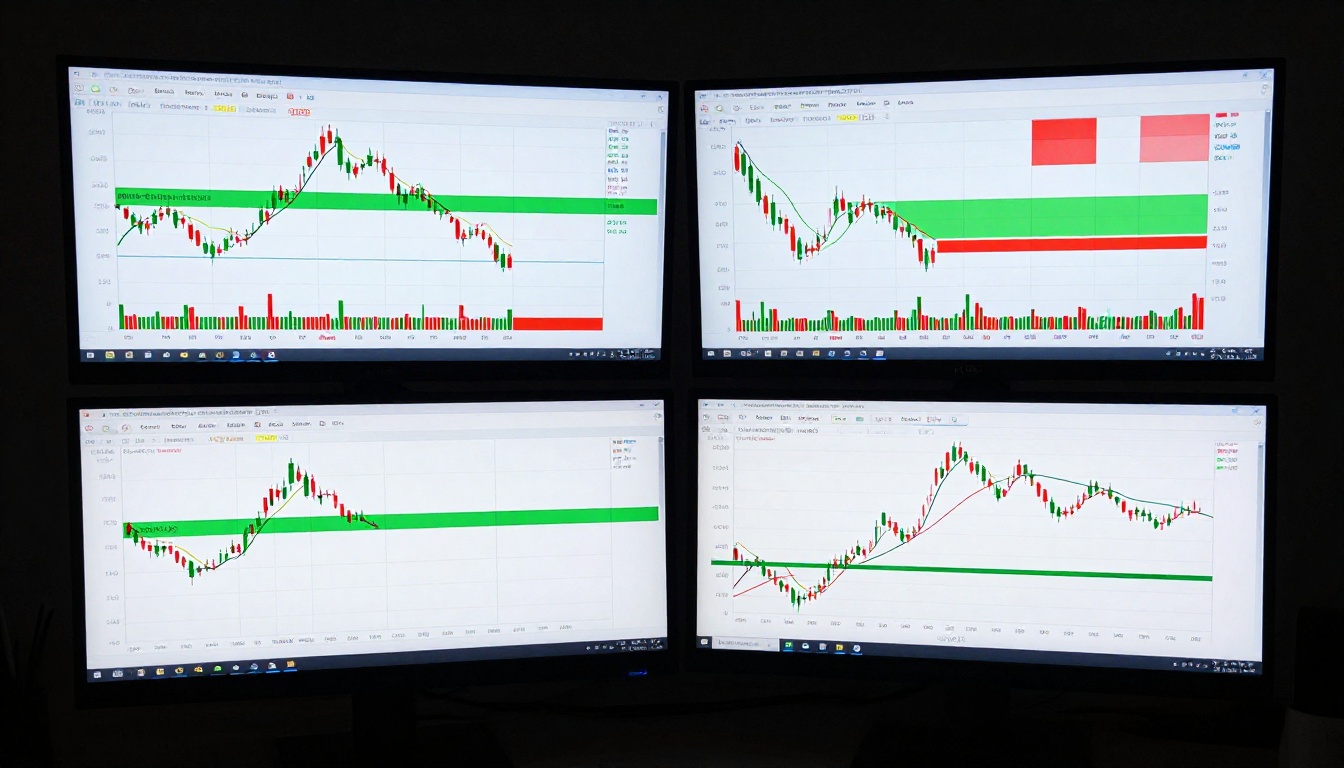
Every trader has a strategy that looks great in their head. Backtesting is how you find out whether it actually works. Here is how to test strategies properly, what metrics matter, and why most backtest results are too good to be true.

Risk-Reward Ratios: How to Set Targets That Make Your Strategy Profitable

Risk-Reward Ratios: How to Set Targets That Make Your Strategy Profitable

A risk-reward ratio compares how much you stand to lose on a trade to how much you stand to gain. It is arguably the most important number in your trading plan, because it determines whether your strategy can survive a normal losing streak.

Trading the News: How Economic Events Move Forex and What to Do About It

Trading the News: How Economic Events Move Forex and What to Do About It

Every month, a handful of economic data releases move the forex market more in five minutes than most sessions move in five days. Non-Farm Payrolls, CPI prints, and central bank rate decisions create violent spikes, whipsaws, and trend shifts that can make or break a trading account.

What Is a CFD? How Contracts for Difference Work and When to Use Them

What Is a CFD? How Contracts for Difference Work and When to Use Them

A CFD is a contract between you and your broker to exchange the difference in an asset's price from when you open the trade to when you close it. You never own the underlying asset. That single distinction shapes everything about how CFDs work, what they cost, and why regulators treat them differently from traditional investing.