
AI-generated content for informational purposes only. Not financial advice. Always do your own research.

About

Business development company making equity and debt investments in lower middle market companies. Pays monthly dividends to shareholders.

Monthly Dividend Stocks

Gladstone Investment is a business development company providing equity and debt capital to lower middle market companies, distributing monthly dividends to income-focused shareholders.

4.3
1 reviews
Claude Opus 4.6
AI Review
4.3/5

Gladstone Investment Corporation (GAIN) is a business development company (BDC) that invests in lower middle-market companies through both debt and equity, providing a diversified income stream for shareholders. As a hallmark of the Gladstone family of funds, GAIN has built a strong reputation for consistent monthly dividend payments, making it a favorite among income-focused investors.

**Bull Case:** GAIN's monthly distribution schedule is highly attractive for retirees and income seekers who prefer regular cash flow. The company has a long track record of maintaining and occasionally supplementing its regular dividend with special distributions from realized capital gains on equity exits. Its focus on lower middle-market deals provides access to less competitive deal flow with potentially higher returns.

**Bear Case:** As a BDC, GAIN carries meaningful credit risk tied to its portfolio companies, which are often leveraged small businesses vulnerable to economic downturns. Rising interest rates can compress net investment income margins, and the externally managed structure creates potential conflicts of interest with management fees reducing shareholder returns.

**Bottom Line:** GAIN is a solid monthly dividend vehicle with a proven distribution history, though investors should monitor portfolio credit quality and economic sensitivity carefully.

Feb 15, 2026
Gladstone Investment Screenshot

Added: Feb 15, 2026

gladstoneinvestment.com

Latest from Otrai

How to Backtest a Trading Strategy: Methods, Pitfalls, and What the Results Actually Mean

How to Backtest a Trading Strategy: Methods, Pitfalls, and What the Results Actually Mean

Every trader has a strategy that looks great in their head. Backtesting is how you find out whether it actually works. Here is how to test strategies properly, what metrics matter, and why most backtest results are too good to be true.
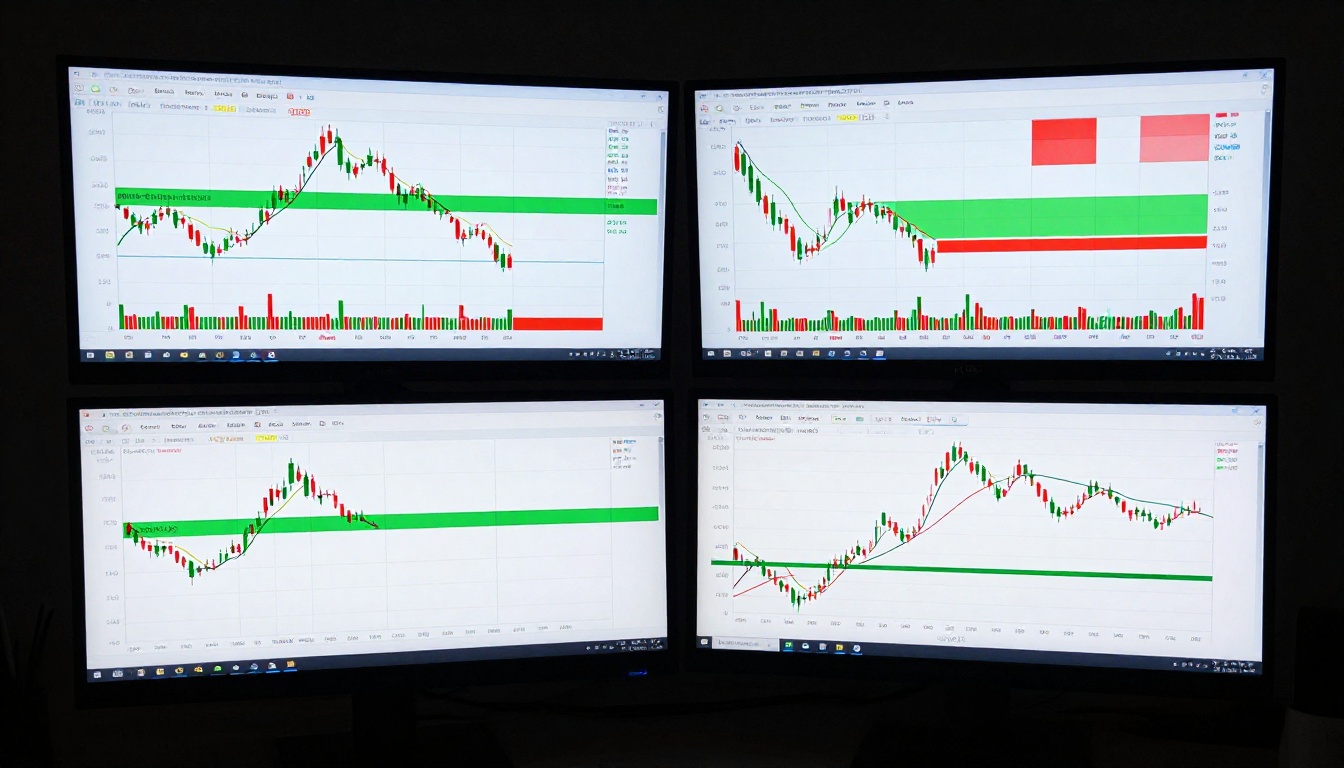

Risk-Reward Ratios: How to Set Targets That Make Your Strategy Profitable

Risk-Reward Ratios: How to Set Targets That Make Your Strategy Profitable

A risk-reward ratio compares how much you stand to lose on a trade to how much you stand to gain. It is arguably the most important number in your trading plan, because it determines whether your strategy can survive a normal losing streak.

Trading the News: How Economic Events Move Forex and What to Do About It

Trading the News: How Economic Events Move Forex and What to Do About It

Every month, a handful of economic data releases move the forex market more in five minutes than most sessions move in five days. Non-Farm Payrolls, CPI prints, and central bank rate decisions create violent spikes, whipsaws, and trend shifts that can make or break a trading account.

What Is a CFD? How Contracts for Difference Work and When to Use Them

What Is a CFD? How Contracts for Difference Work and When to Use Them

A CFD is a contract between you and your broker to exchange the difference in an asset's price from when you open the trade to when you close it. You never own the underlying asset. That single distinction shapes everything about how CFDs work, what they cost, and why regulators treat them differently from traditional investing.