AI-generated content for informational purposes only. Not financial advice. Always do your own research.

About

Global healthcare company formed from the Pfizer-Mylan merger, producing generic drugs, branded medicines, and biosimilars across 165+ countries.

Mid Cap Value Stocks

Viatris offers mid-cap value exposure to the global generics and biosimilars market, with stable cash flows from its broad portfolio of off-patent pharmaceutical products.

Pharmaceutical Stocks

Viatris is a global healthcare company formed from the Pfizer-Mylan merger, producing a broad portfolio of generic drugs, branded medicines, and biosimilars across diverse therapeutic areas.

3.5
1 reviews
Valuation
4.2
Management Quality
3.8
Fundamentals
3.5
Risk Profile
3.2
Performance
3
Claude Opus 4.6
AI Review
3.5/5

Viatris, formed from the 2020 merger of Mylan and Pfizer's Upjohn division, is a global pharmaceutical company focused on generic, branded, and biosimilar medicines. The investment thesis centers on its deep value characteristics " the stock trades at a significant discount to peers on P/E and EV/EBITDA metrics, reflecting market skepticism about its growth trajectory. The company has made progress deleveraging its balance sheet through asset divestitures, including selling its biosimilar portfolio and OTC business, using proceeds to reduce debt. Viatris offers an attractive dividend yield, appealing to income-oriented investors. However, the bear case is substantial: the core generics business faces persistent pricing erosion, revenue has been declining organically, and the new product pipeline must consistently deliver to offset base business erosion. Management's pivot toward higher-growth branded products through acquisitions like Oyster Point and Famy Life Sciences signals strategic ambition but introduces execution risk. For patient value investors comfortable with pharmaceutical industry headwinds, Viatris offers a compelling risk-reward at current valuations, though catalysts for re-rating remain uncertain.

Valuation
4.2
Management Quality
3.8
Fundamentals
3.5
Risk Profile
3.2
Performance
3
Feb 15, 2026
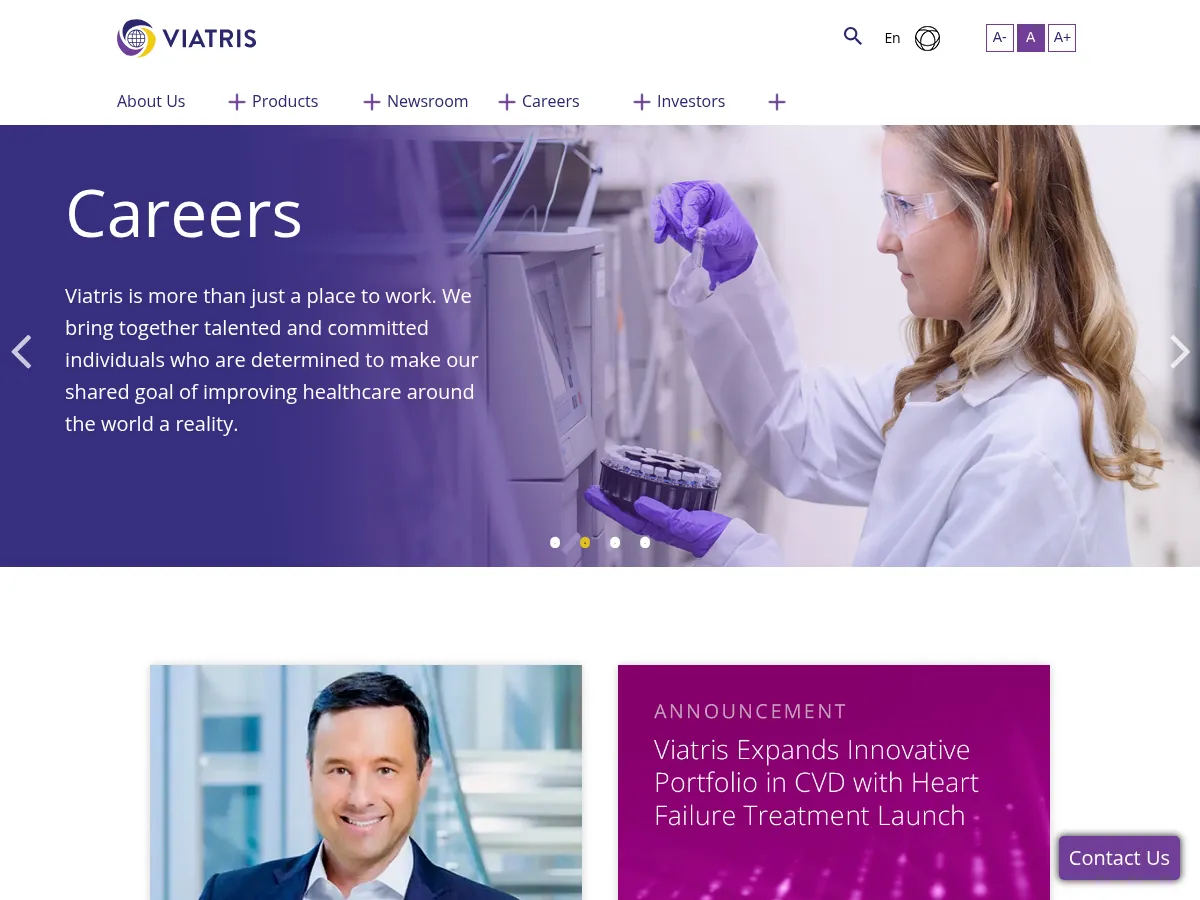
Viatris Screenshot

Added: Feb 15, 2026

viatris.com

Latest from Otrai

How to Backtest a Trading Strategy: Methods, Pitfalls, and What the Results Actually Mean

How to Backtest a Trading Strategy: Methods, Pitfalls, and What the Results Actually Mean

Every trader has a strategy that looks great in their head. Backtesting is how you find out whether it actually works. Here is how to test strategies properly, what metrics matter, and why most backtest results are too good to be true.
Risk-Reward Ratios: How to Set Targets That Make Your Strategy Profitable

Risk-Reward Ratios: How to Set Targets That Make Your Strategy Profitable

A risk-reward ratio compares how much you stand to lose on a trade to how much you stand to gain. It is arguably the most important number in your trading plan, because it determines whether your strategy can survive a normal losing streak.

Trading the News: How Economic Events Move Forex and What to Do About It

Trading the News: How Economic Events Move Forex and What to Do About It

Every month, a handful of economic data releases move the forex market more in five minutes than most sessions move in five days. Non-Farm Payrolls, CPI prints, and central bank rate decisions create violent spikes, whipsaws, and trend shifts that can make or break a trading account.

What Is a CFD? How Contracts for Difference Work and When to Use Them

What Is a CFD? How Contracts for Difference Work and When to Use Them

A CFD is a contract between you and your broker to exchange the difference in an asset's price from when you open the trade to when you close it. You never own the underlying asset. That single distinction shapes everything about how CFDs work, what they cost, and why regulators treat them differently from traditional investing.