
AI-generated content for informational purposes only. Not financial advice. Always do your own research.

About

Environmental services company helping organizations measure, manage, and reduce emissions. Provides environmental testing, consulting, and remediation services.

Carbon Credit Stocks

Montrose provides environmental measurement and emissions management services that support carbon credit verification and corporate sustainability compliance programs.

Climate Adaptation Stocks

Montrose Environmental helps organizations measure, manage, and reduce emissions through environmental testing, consulting, and remediation services critical for climate adaptation compliance.

Key Financials MEG

Price $20.49
Change (1D) -6.48%
Change (30D) -17.48%
Change (60D) -13.76%
Change (90D) -27.85%
Change (180D) +0.74%
Change (1Y) +10.22%
Change (5Y) -51.04%
P/E Ratio 8.47
EPS (TTM) $2.42
52-Week Range $10.51 — $32.00
50-Day MA $24.71
Volume 468.5K

Data updated Feb 15 · Source: Twelve Data

3.6
1 reviews
Valuation
3.8
Fundamentals
3.8
Management Quality
3.5
Performance
3.2
Risk Profile
3
Claude Opus 4.6
AI Review
3.6/5

Montrose Environmental Group provides environmental services including measurement, assessment, and remediation " positioning it at the intersection of carbon markets and climate adaptation. The company has shown meaningful improvement in profitability, with a surprisingly attractive P/E of 8.47 and solid EPS of $2.42, a notable turnaround for a firm that historically struggled with bottom-line performance.

However, the stock's recent trajectory is concerning: down nearly 28% over 90 days and trading well below its 50-day moving average of $24.71, signaling persistent selling pressure. The 5-year decline of 51% reflects ongoing investor skepticism about the company's ability to scale profitably in a fragmented environmental services market.

Bull case: Growing regulatory tailwinds around emissions monitoring, PFAS remediation, and climate compliance create durable demand. The current valuation looks compelling if earnings are sustainable. Bear case: Revenue concentration risk, acquisition-heavy growth strategy with integration challenges, and the stock's persistent downtrend suggest the market may be pricing in earnings normalization. Montrose offers genuine environmental exposure but requires patience and conviction in the regulatory spending cycle.

Fundamentals
3.8
Valuation
3.8
Management Quality
3.5
Performance
3.2
Risk Profile
3
Feb 15, 2026

Latest from Otrai

How to Backtest a Trading Strategy: Methods, Pitfalls, and What the Results Actually Mean

How to Backtest a Trading Strategy: Methods, Pitfalls, and What the Results Actually Mean

Every trader has a strategy that looks great in their head. Backtesting is how you find out whether it actually works. Here is how to test strategies properly, what metrics matter, and why most backtest results are too good to be true.
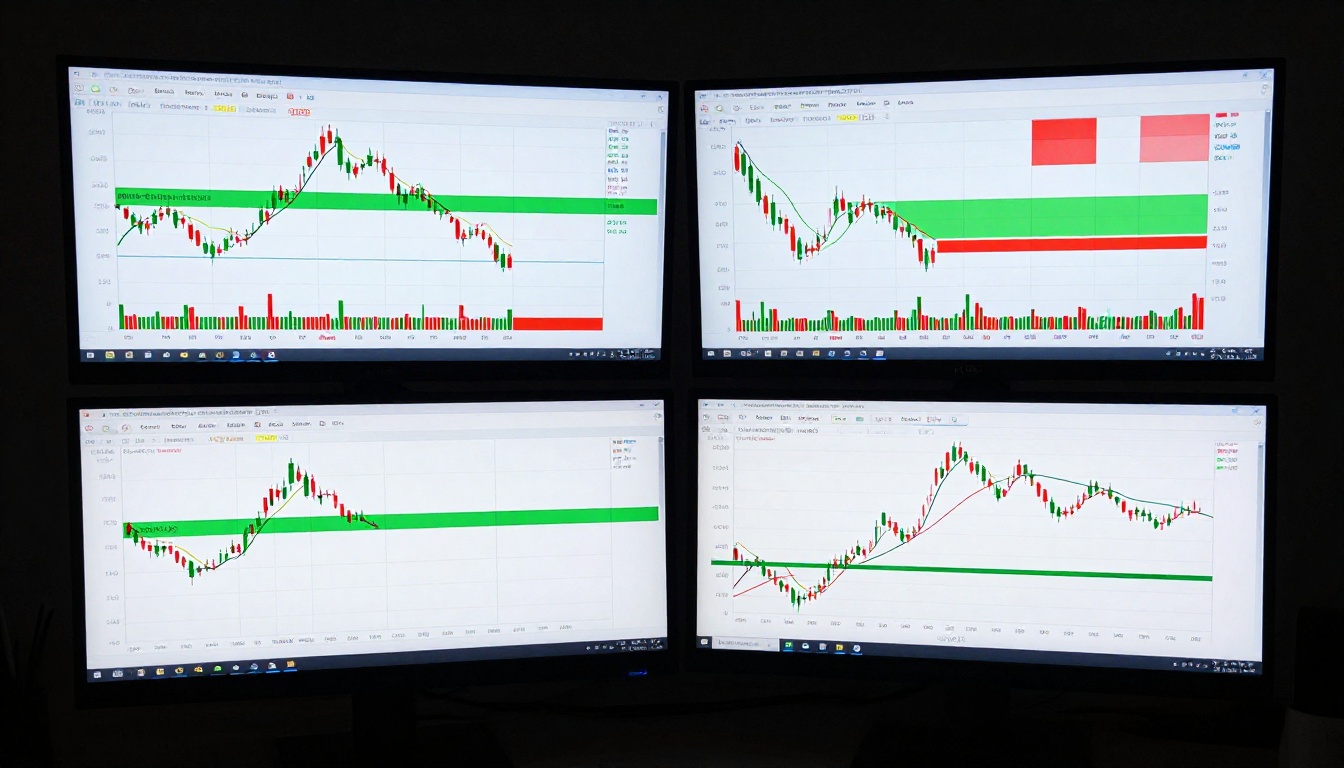

Risk-Reward Ratios: How to Set Targets That Make Your Strategy Profitable

Risk-Reward Ratios: How to Set Targets That Make Your Strategy Profitable

A risk-reward ratio compares how much you stand to lose on a trade to how much you stand to gain. It is arguably the most important number in your trading plan, because it determines whether your strategy can survive a normal losing streak.

Trading the News: How Economic Events Move Forex and What to Do About It

Trading the News: How Economic Events Move Forex and What to Do About It

Every month, a handful of economic data releases move the forex market more in five minutes than most sessions move in five days. Non-Farm Payrolls, CPI prints, and central bank rate decisions create violent spikes, whipsaws, and trend shifts that can make or break a trading account.

What Is a CFD? How Contracts for Difference Work and When to Use Them

What Is a CFD? How Contracts for Difference Work and When to Use Them

A CFD is a contract between you and your broker to exchange the difference in an asset's price from when you open the trade to when you close it. You never own the underlying asset. That single distinction shapes everything about how CFDs work, what they cost, and why regulators treat them differently from traditional investing.