AI-generated content for informational purposes only. Not financial advice. Always do your own research.

About

Indian multinational IT services and consulting company, providing technology solutions across cloud, cybersecurity, digital transformation, and enterprise applications.

Indian Market Stocks

Wipro is an Indian multinational IT services company providing technology solutions across cloud, cybersecurity, digital transformation, and consulting for global enterprise clients.

Key Financials WIT

Price $2.34
Change (1D) +2.63%
52-Week Range $2.26 — $3.69
Volume 12.59M

Data updated Feb 15 · Source: Twelve Data

3.4
1 reviews
Valuation
3.8
Fundamentals
3.5
Management Quality
3
Risk Profile
3
Performance
2.5
Claude Opus 4.6
AI Review
3.4/5

Wipro is one of India's largest IT services companies, competing alongside TCS, Infosys, and HCL Technologies in the global outsourcing and digital transformation market. The stock is currently trading near its 52-week low of $2.26, significantly below its high of $3.69, reflecting ongoing challenges in the IT services sector including softer demand from key Western markets and margin pressures.

**Bull Case:** Wipro benefits from long-term secular trends in digital transformation, cloud migration, and AI adoption. Its diversified client base across industries provides stability, and cost optimization efforts under current leadership could improve margins. The depressed valuation may present a value entry point for patient investors.

**Bear Case:** Wipro has consistently underperformed peers in revenue growth and deal wins. The company has struggled with leadership transitions and strategic execution. Currency headwinds, rising competition from smaller nimble players, and potential slowdowns in discretionary IT spending remain risks. Trading at these levels suggests the market has limited confidence in a near-term turnaround.

**Verdict:** Wipro remains a fundamentally sound business but lacks the growth catalysts of its top-tier Indian IT peers. Suitable for conservative investors seeking IT sector exposure at a discount, but upside may be limited without meaningful operational improvement.

Valuation
3.8
Fundamentals
3.5
Risk Profile
3
Management Quality
3
Performance
2.5
Feb 15, 2026
Wipro Screenshot

Added: Feb 15, 2026

wipro.com

Latest from Otrai

How to Backtest a Trading Strategy: Methods, Pitfalls, and What the Results Actually Mean

How to Backtest a Trading Strategy: Methods, Pitfalls, and What the Results Actually Mean

Every trader has a strategy that looks great in their head. Backtesting is how you find out whether it actually works. Here is how to test strategies properly, what metrics matter, and why most backtest results are too good to be true.
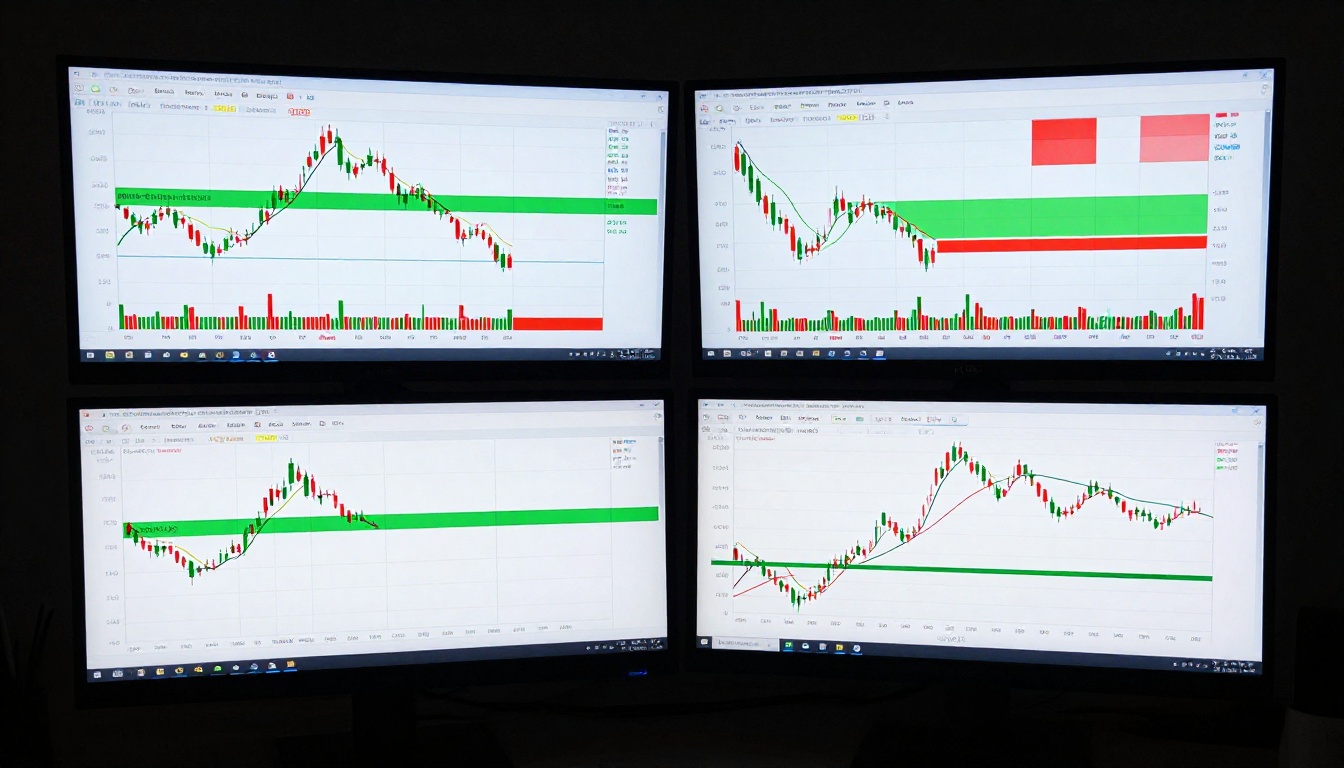

Risk-Reward Ratios: How to Set Targets That Make Your Strategy Profitable

Risk-Reward Ratios: How to Set Targets That Make Your Strategy Profitable

A risk-reward ratio compares how much you stand to lose on a trade to how much you stand to gain. It is arguably the most important number in your trading plan, because it determines whether your strategy can survive a normal losing streak.

Trading the News: How Economic Events Move Forex and What to Do About It

Trading the News: How Economic Events Move Forex and What to Do About It

Every month, a handful of economic data releases move the forex market more in five minutes than most sessions move in five days. Non-Farm Payrolls, CPI prints, and central bank rate decisions create violent spikes, whipsaws, and trend shifts that can make or break a trading account.

What Is a CFD? How Contracts for Difference Work and When to Use Them

What Is a CFD? How Contracts for Difference Work and When to Use Them

A CFD is a contract between you and your broker to exchange the difference in an asset's price from when you open the trade to when you close it. You never own the underlying asset. That single distinction shapes everything about how CFDs work, what they cost, and why regulators treat them differently from traditional investing.