AI-generated content for informational purposes only. Not financial advice. Always do your own research.

About

Old Dominion Freight Line is a major less-than-truckload freight carrier providing regional, inter-regional, and national shipping services in the United States. The company is widely regarded as the best-in-class LTL operator, consistently delivering superior on-time delivery and low claims ratios.

Growth Stocks

Old Dominion has consistently grown revenue and earnings faster than the LTL industry by winning market share through superior service quality and disciplined yield management.

Industrial Stocks

Old Dominion is the premier less-than-truckload carrier in North America, operating a vast network of service centers that move freight efficiently across the continent.

Transportation & Logistics Stocks

Old Dominion is a leading LTL freight carrier known for premium service and industry-best operating ratios, providing a high-quality investment in the US trucking and logistics sector.

Value Stocks

Old Dominion's industry-leading operating ratio and return on capital make it a compelling value investment within the transportation sector.

Key Financials ODFL

Price $193.21
Change (1D) +4.15%
Change (30D) +23.22%
Change (60D) +48.75%
Change (90D) +35.28%
Change (180D) +18.95%
Change (1Y) -4.83%
Change (5Y) +79.30%
P/E Ratio 39.84
EPS (TTM) $4.85
52-Week Range $126.01 — $209.61
50-Day MA $170.59
Volume 2.10M

Data updated Feb 15 · Source: Twelve Data

4.1
1 reviews
Profit Margin Trends
4.3
Market Share Expansion
4.3
Revenue Growth Rate
4.2
Future Growth Prospects
4.2
EPS Growth
4
Claude Opus 4.6
AI Review
4.1/5

Old Dominion Freight Line is widely considered the best-in-class operator in the less-than-truckload freight industry, consistently delivering superior margins, on-time performance, and low claims ratios. The stock has surged recently, gaining 23% in the past month and nearly 49% over two months, signaling a powerful recovery in freight demand. At a P/E of 39.8 with $4.85 EPS, the valuation is full but arguably warranted given the structural competitive advantages. The company's service network and real estate footprint create substantial barriers to entry. The bull case centers on the freight cycle recovery, continued market share gains from weaker competitors, and the secular trend of supply chain nearshoring. The bear case involves the cyclical nature of freight volumes, potential pricing pressure during demand downturns, and the risk that the recent rally has already priced in the recovery. Old Dominion is the premier LTL franchise, and quality rarely comes cheap in this industry.

Market Share Expansion
4.3
Profit Margin Trends
4.3
Revenue Growth Rate
4.2
Future Growth Prospects
4.2
EPS Growth
4
Feb 15, 2026

Latest from Otrai

How to Backtest a Trading Strategy: Methods, Pitfalls, and What the Results Actually Mean

How to Backtest a Trading Strategy: Methods, Pitfalls, and What the Results Actually Mean

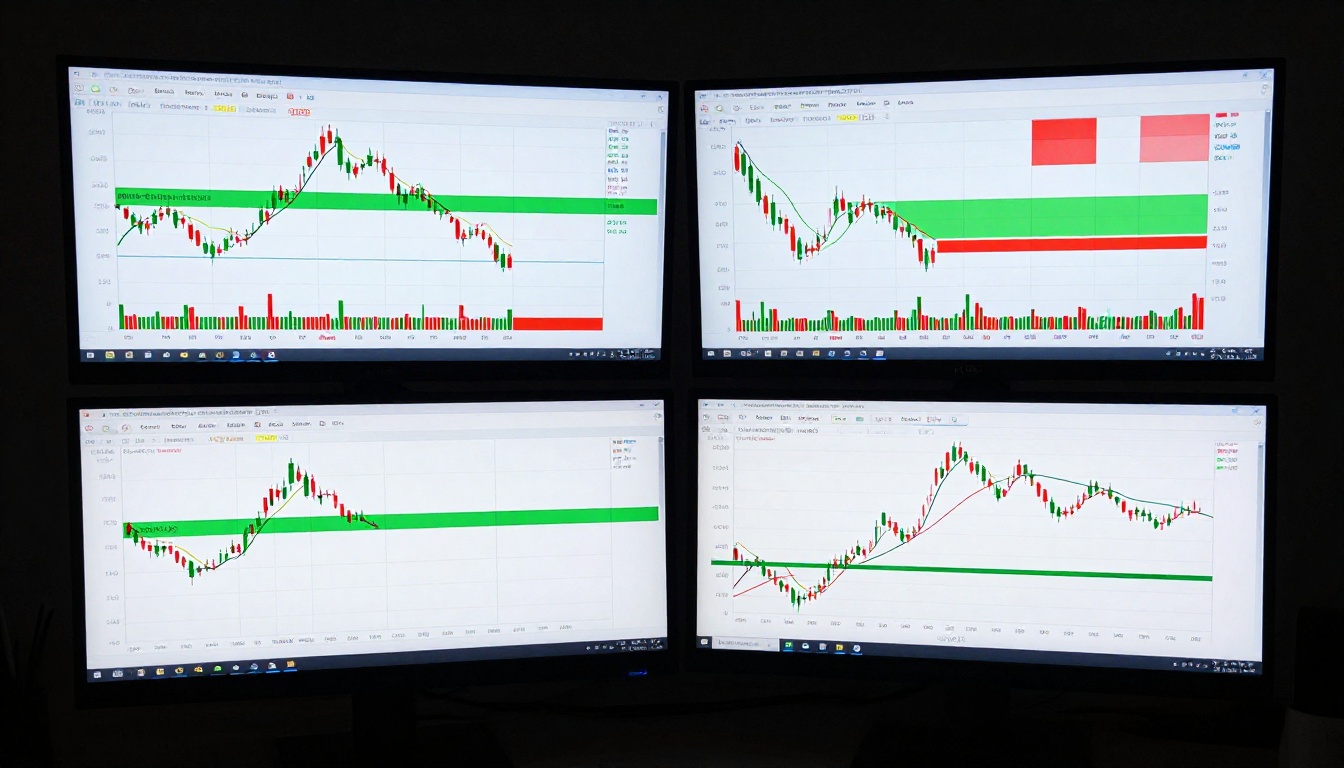
Every trader has a strategy that looks great in their head. Backtesting is how you find out whether it actually works. Here is how to test strategies properly, what metrics matter, and why most backtest results are too good to be true.

Risk-Reward Ratios: How to Set Targets That Make Your Strategy Profitable

Risk-Reward Ratios: How to Set Targets That Make Your Strategy Profitable

A risk-reward ratio compares how much you stand to lose on a trade to how much you stand to gain. It is arguably the most important number in your trading plan, because it determines whether your strategy can survive a normal losing streak.

Trading the News: How Economic Events Move Forex and What to Do About It

Trading the News: How Economic Events Move Forex and What to Do About It

Every month, a handful of economic data releases move the forex market more in five minutes than most sessions move in five days. Non-Farm Payrolls, CPI prints, and central bank rate decisions create violent spikes, whipsaws, and trend shifts that can make or break a trading account.

What Is a CFD? How Contracts for Difference Work and When to Use Them

What Is a CFD? How Contracts for Difference Work and When to Use Them

A CFD is a contract between you and your broker to exchange the difference in an asset's price from when you open the trade to when you close it. You never own the underlying asset. That single distinction shapes everything about how CFDs work, what they cost, and why regulators treat them differently from traditional investing.